Buying your first condo in Wicker Park can feel exciting and a little intimidating at the same time. You may love the neighborhood’s energy, walkability, and transit access, but still wonder how to judge price, monthly costs, and long-term fit. The good news is that with the right expectations, you can shop more confidently and avoid surprises. Let’s dive in.
Wicker Park Condo Prices
If you are starting your search, it helps to think in ranges instead of chasing one headline number. Current market context shows Wicker Park condos for sale at a median listing price of about $597,000, while the broader Wicker Park market shows a median sale price of $635,000 over the last three months.
For first-time buyers, the more practical takeaway is that condos in Wicker Park can start in the mid-$300,000s and rise well above $650,000 depending on size, building type, condition, and location. That means your budget may open very different options, from a smaller walk-up unit to a larger loft or elevator-building home.
The market also appears competitive. Recent data shows a 101.8% sale-to-list ratio, which suggests well-positioned homes may sell at or above asking. If you are entering the market for the first time, that makes preparation especially important.
Condo Types You Will See
Wicker Park has a long architectural history, and that shows up in its condo inventory. The area was built mainly from 1870 to 1930, with a wide variety of building styles that still shape what buyers see today.
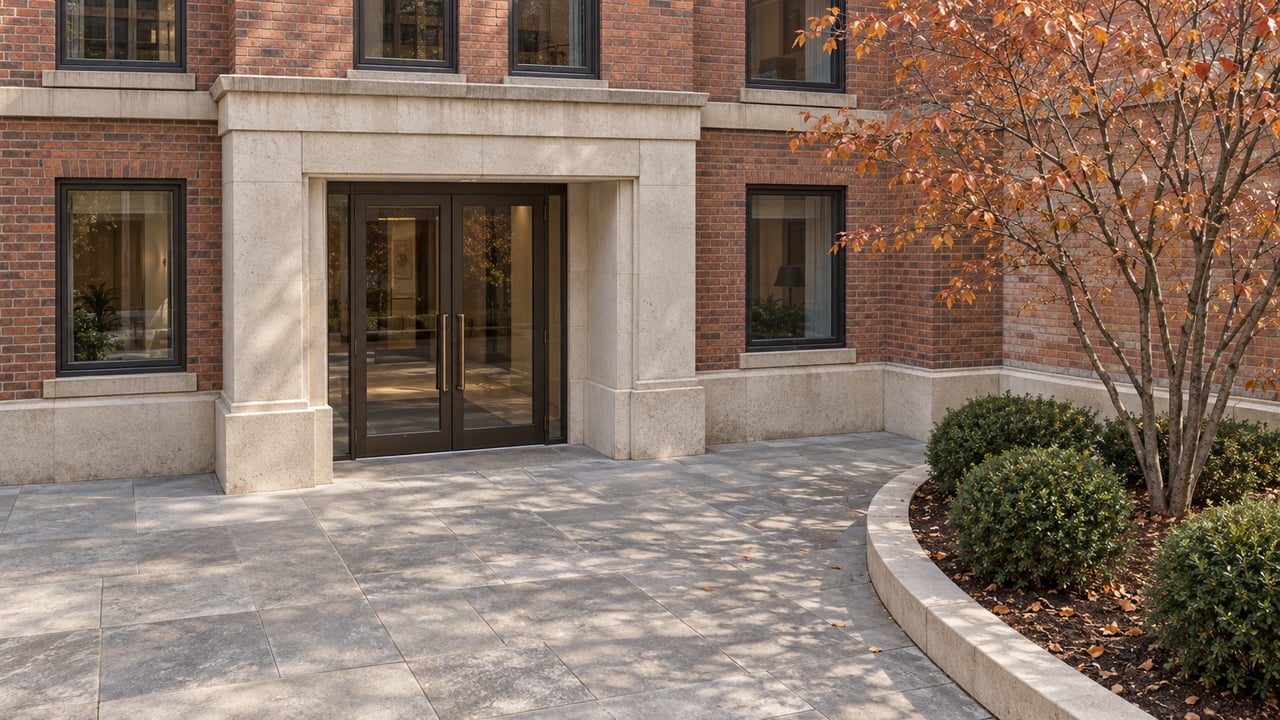
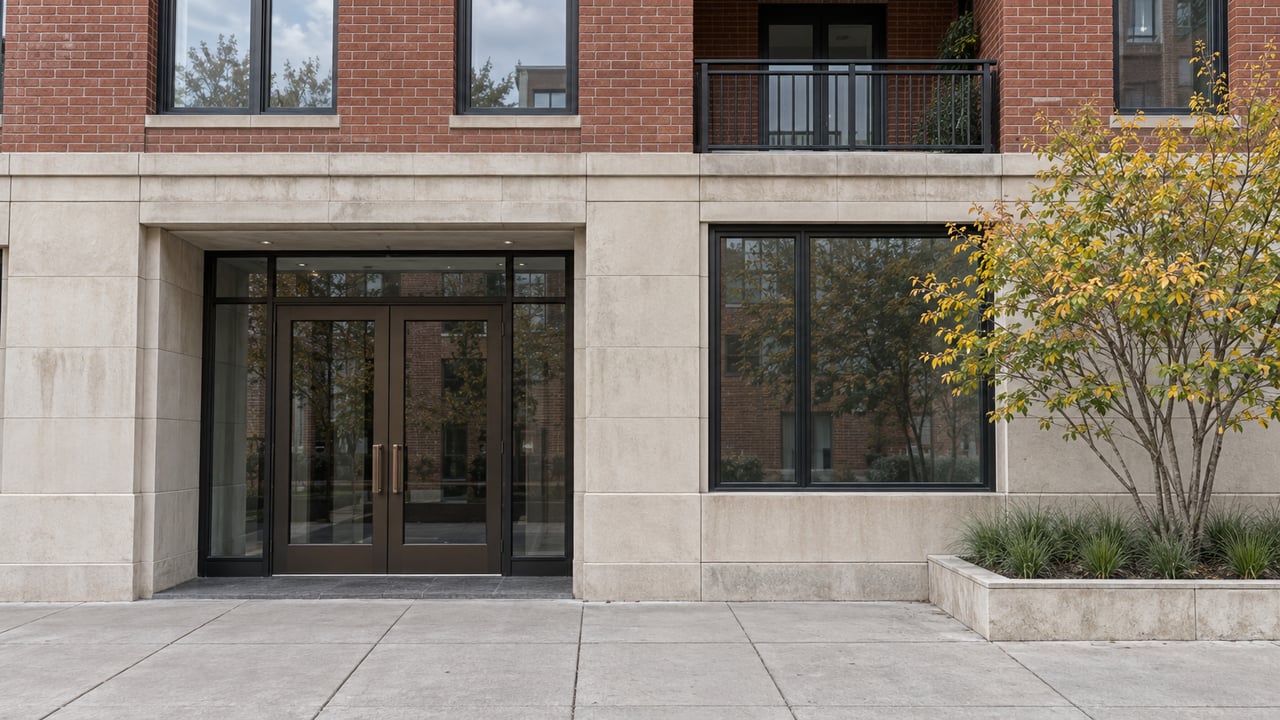
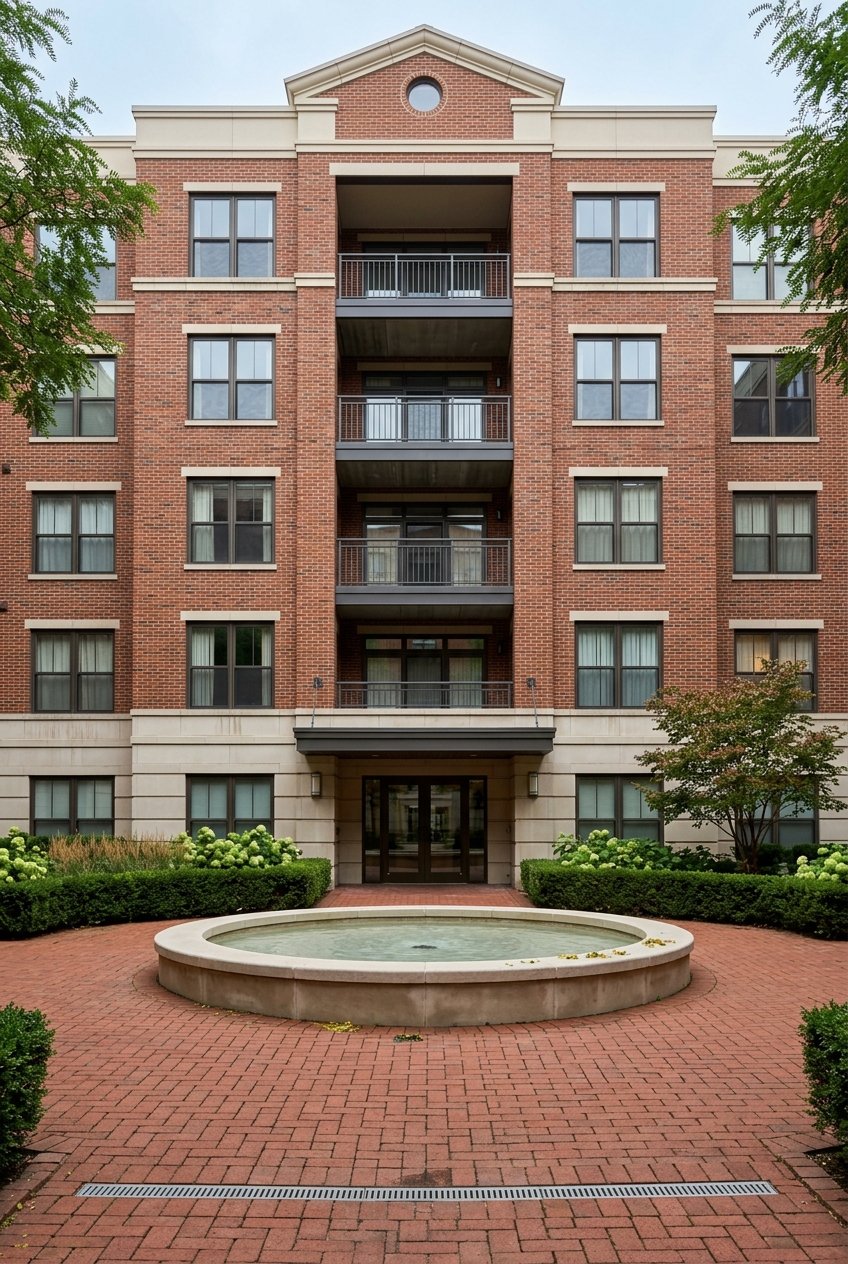
In practical terms, your search may include concrete lofts, all-brick converted lofts, boutique elevator buildings, and smaller brick walk-up associations. That mix gives you more choices, but it also means you will need to compare buildings carefully instead of assuming every condo functions the same way.
For example, current listings show a 2-bedroom, 2-bath concrete loft around $390,000, a 2-bedroom, 2-bath condo around $365,000, a duplex loft around $650,000, and a 3-bedroom boutique elevator-building condo listed near $729,900. These examples show just how wide the range can be within one neighborhood.
Older Buildings vs Newer Buildings
Older conversions often appeal to buyers who want character and a smaller-building feel. You may find details that feel more distinctive, along with layouts that differ from newer construction.
Newer or more amenity-rich elevator buildings may offer easier day-to-day living. In many cases, that can mean features that simplify routine upkeep, though monthly assessments may be higher. That is not a rule for every building, but it is a smart comparison point as you shop.
Monthly HOA Costs Matter
For many first-time buyers, the monthly HOA assessment is one of the biggest surprises. In Wicker Park, examples from current listings show dues ranging from $179 per month on one top-floor unit to $519 per month on a duplex loft, while another 2-bedroom listing shows $225 per month.
That spread matters because your true monthly cost is not just your mortgage. You also need to account for assessments, property taxes, insurance where applicable, utilities not covered by the association, and any parking-related costs.
A lower assessment is not automatically better. A higher one is not automatically worse. What matters is what the fee covers and whether the building appears financially prepared for future repairs.
What Buyers Should Ask About HOA Fees
Before you get too attached to any condo, ask a few direct questions:
- What do the monthly assessments cover?
- Have assessments increased recently?
- Are any major capital projects planned?
- Are special assessments being discussed or expected?
- How much does the association have in reserves?
- Is there a current reserve study?
These questions can help you understand whether the monthly number reflects a stable building or one that may face future cost pressure.
Why Reserves And Documents Matter
Illinois condominium law gives buyers useful insight into a building’s finances and operations. Condominium budgets must provide for reasonable reserves for capital expenditures and deferred maintenance, and boards must consider repair and replacement costs, reserve studies, the financial impact of assessment increases, and the ability to refinance when setting reserves.
Associations are also required to keep important records, including declarations, bylaws, insurance policies, financial records, and any reserve study. Unit owners can inspect those records after a written request, which is one reason document review is such an important part of condo due diligence.
For you as a buyer, this means the association is not just background paperwork. The building’s documents can tell you how the property is run, whether reserve planning appears thoughtful, and whether upcoming costs may affect your ownership experience.
Review Condo Documents Early
Illinois sellers must provide the declaration, bylaws, and a projected operating budget, including estimated monthly payments and maintenance charges, before sale. That means these documents should be part of your decision-making process, not something you glance at after you are emotionally committed.
As you review the package, pay attention to meeting minutes, financial statements, insurance information, reserve details, and any discussion of repairs or special assessments. If anything looks unclear, it is worth slowing down and getting answers before moving forward.
Lifestyle Is A Big Part Of The Value
Wicker Park stands out because it offers more than just housing stock. The neighborhood has strong transit access, a highly walkable layout, and a long list of daily conveniences and entertainment options.
The CTA Blue Line runs 24 hours between O'Hare and Forest Park by way of downtown Chicago. In and around Wicker Park, the area is served by the Division, Damen, and Western stops, plus several CTA bus routes. Market data also gives the neighborhood a Walk Score of 96, which supports its car-light, urban appeal.
Beyond commuting, Wicker Park is known for music venues, theaters, the 606 trail, bars, restaurants, Wicker Park Fest, and a seasonal farmers market. If you want a neighborhood where daily errands, social plans, and transit are all close at hand, that can be a major part of the condo’s value.
Think About Noise And Resale
Lifestyle benefits can support demand, but they also come with tradeoffs. Research summarized by DePaul’s Chaddick Institute suggests proximity to heavily used transit corridors can increase nearby home values by roughly 5% to 20%.
At the same time, nightlife-heavy locations may create more noise exposure, which can narrow your future buyer pool. In Wicker Park, that makes unit placement worth careful thought. A condo on a quieter side street, or in a building with stronger soundproofing, may appeal to more resale buyers than one directly on a louder block.
This does not mean busy streets are bad choices. It means you should be honest about your own tolerance for activity and think ahead to what a future buyer may value too.
Visit At Different Times
One of the smartest things you can do is visit a condo more than once if possible. A block that feels calm on a weekday morning may feel very different at night or on a weekend.
Pay attention to street noise, train sounds, nearby businesses, and general foot traffic. For a first-time buyer, these real-world details can be just as important as square footage or finishes.
Questions To Ask Before You Buy
A first condo purchase usually goes more smoothly when you know what to ask. In Wicker Park, these questions can help you compare homes and buildings more effectively:
- What do the monthly assessments cover, and have they changed recently?
- Is there a current reserve study, and what is the reserve balance?
- Are any capital projects, special assessments, or litigation issues pending?
- What are the rental rules, including any short-term rental restrictions?
- How are parking, pets, storage, and move-in fees handled?
Because rules vary from building to building, two condos with similar prices may come with very different ownership experiences. The right fit is not only about the unit itself. It is also about whether the building’s finances, policies, and day-to-day setup work for you.
What First-Time Buyers Should Expect
In Wicker Park, your first condo search will likely involve balancing lifestyle, monthly cost, and building quality. You may love the charm of an older loft, the convenience of an elevator building, or the price point of a smaller walk-up, but each option asks you to weigh different tradeoffs.
That is why it helps to look beyond listing photos and headline prices. When you understand assessments, reserves, documents, transit access, and block-by-block feel, you can make a more confident decision that supports both your budget and your long-term plans.
If you are exploring Wicker Park condos and want clear, neighborhood-specific guidance, Ballis Group can help you evaluate the details that matter most.
FAQs
What price range should first-time buyers expect for Wicker Park condos?
- Current market context suggests Wicker Park condos can start in the mid-$300,000s and extend well above $650,000, depending on the unit’s size, condition, and building type.
What types of condo buildings are common in Wicker Park?
- First-time buyers in Wicker Park will commonly see concrete lofts, converted brick lofts, boutique elevator buildings, and smaller brick walk-up associations.
Why do HOA fees vary so much for Wicker Park condos?
- Monthly assessments can vary widely because buildings differ in size, services, maintenance needs, and what the dues cover, so it is important to review both the fee and the building’s financial health.
What condo documents should a first-time buyer review in Illinois?
- In Illinois, buyers should review the declaration, bylaws, projected operating budget, financial records, insurance information, reserve details, and any available meeting minutes or reserve study.
How does transit affect Wicker Park condo demand?
- Wicker Park’s Blue Line access, bus service, and strong walkability can widen buyer demand, especially for people who want an urban, car-light lifestyle.
Should first-time buyers worry about noise in Wicker Park?
- Noise can be an important factor in Wicker Park because busy streets and nightlife areas may affect day-to-day comfort and future resale appeal, so visiting at different times can be helpful.