Looking for a Chicago neighborhood where you can grab coffee, browse local shops, enjoy dinner, and still have an easy trip downtown? Bucktown stands out for exactly that balance. If you want a neighborhood with creative energy, everyday convenience, and practical transit options, this guide will help you understand why Bucktown continues to draw so much interest. Let’s take a closer look.
Bucktown's Creative Identity
Bucktown is often described as a tree-lined neighborhood just northwest of downtown Chicago with an eclectic, artsy feel. It blends older Chicago character with newer energy, giving you a setting that feels established without feeling static. That mix is a big part of what makes the neighborhood memorable.
The neighborhood is generally understood to stretch from Fullerton to the north, the Chicago River to the east, North Avenue to the south, and Western Avenue to the west. Within those boundaries, you get a strong sense of place shaped by local businesses, older buildings, and active community life. For many buyers, that balance between neighborhood scale and city access is a major draw.
Arts Show Up in Daily Life
Bucktown’s arts identity is not tied to just one museum or venue. Instead, it shows up through recurring neighborhood events, local programming, and public spaces that make creativity part of the everyday experience. That can give the area a more lived-in, community-focused feel.
Bucktown Arts Fest is one of the clearest examples. The all-volunteer event takes place at Holstein Park, and proceeds help fund arts education at the park and in local classrooms. The Wicker Park/Bucktown Chamber also keeps arts and culture visible through neighborhood event programming.
The 606 Adds a Public-Art Element
The 606 brings another layer to Bucktown’s creative character. According to the Chicago Park District, the trail system includes art installations, an observatory, and other amenities along the elevated Bloomingdale corridor. That means your walk or bike ride can feel like more than just a commute or workout.
In a neighborhood like Bucktown, that matters. Public spaces that combine recreation and design can help connect different parts of daily life, from exercise to casual meetups to weekend routines. It is one more reason the area feels active and distinctive.
Dining Feels Local and Walkable
Bucktown’s dining scene works best when you think of it as part of a broader walkable corridor. Rather than being defined by one strip or one type of restaurant, the neighborhood offers a day-to-night mix of coffee shops, eateries, bars, and stores that support everyday routines. That flexibility is part of the appeal.
Choose Chicago highlights the North, Milwaukee, and Damen intersection as a busy core. Around that area, you will find vintage stores, record shops, coffee houses, noodle spots, art galleries, and a wide range of dining and nightlife options. For many residents, that means you can keep errands, meals, and social plans close to home.
Easy Day-to-Night Living
One of Bucktown’s strengths is how naturally different activities fit together. You might start with coffee, spend time shopping, meet friends for dinner, and stay out for a show or drink without needing to cross the city. That kind of convenience can make a neighborhood feel more usable on a daily basis.
The broader Wicker Park/Bucktown corridor also adds to that energy. The area is known for music venues, theaters, clubs, pubs, speakeasies, and neighborhood bars that keep things lively into the evening. If you value a neighborhood that stays active beyond business hours, Bucktown offers that rhythm.
Commuting Is Part of the Appeal
Bucktown is not just about atmosphere. It also offers transportation options that make getting around Chicago easier. For buyers who want city access without relying entirely on a car, that can be a meaningful advantage.
Historically, residents have valued the neighborhood’s transportation access and proximity to the Loop. That pattern still makes sense today because Bucktown offers a blend of rail, bus, bike, and trail connections. For many people, those choices help support a more flexible routine.
Blue Line Access in Bucktown
CTA’s Damen Blue Line station sits at 1558 N. Damen Ave. The station is elevated, includes indoor bike parking, and connects to CTA bus routes #50 Damen, #56 Milwaukee, and #72 North. Those connections can make it easier to move between the neighborhood, downtown, and other parts of the city.
The Blue Line also pairs well with Bucktown’s walkable commercial areas. If you are commuting during the week but still want quick access to restaurants, shops, and public spaces near home, that combination can be especially appealing. It supports both practical travel and neighborhood living.
The 606 Supports Bike and Foot Traffic
The 606 is one of Bucktown’s defining amenities for good reason. The Chicago Park District says the trail runs 2.7 miles along the Bloomingdale Trail between Ashland and Ridgeway, with 12 access points, 17 accessible ramps, and daily hours from 6 a.m. to 11 p.m. That gives you a substantial public amenity woven into neighborhood life.
The Park District also notes that the easiest CTA access is via the Blue Line at Western or Damen. The Damen access point is at the Damen, Milwaukee, and North intersection, which places the trail close to one of the area’s busiest hubs. For many residents, that helps connect commuting, recreation, and errands in a single route.
Housing Has Character
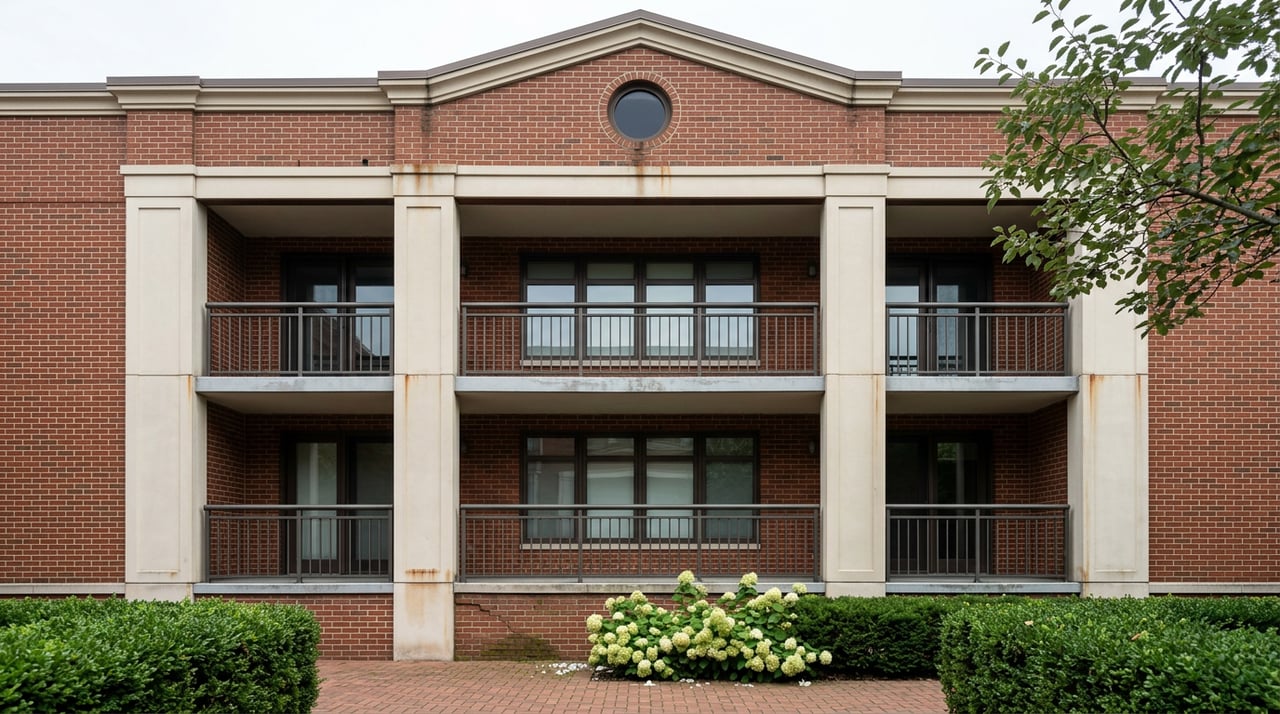
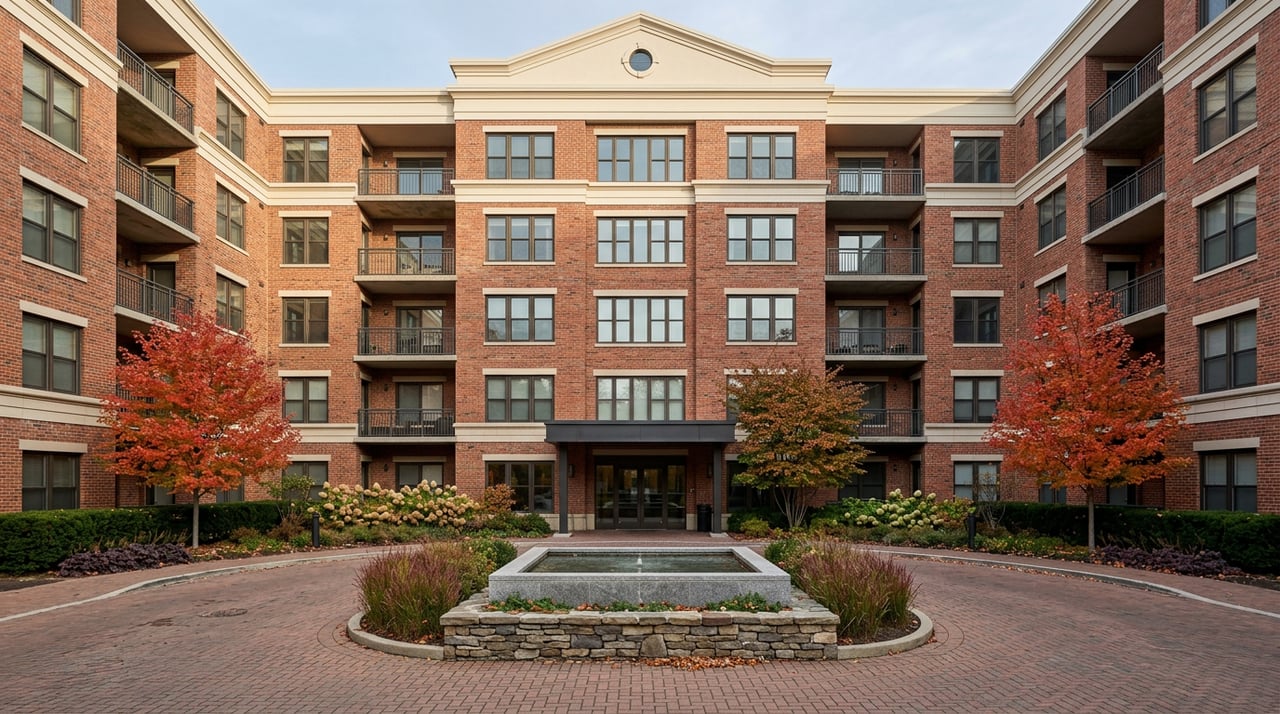
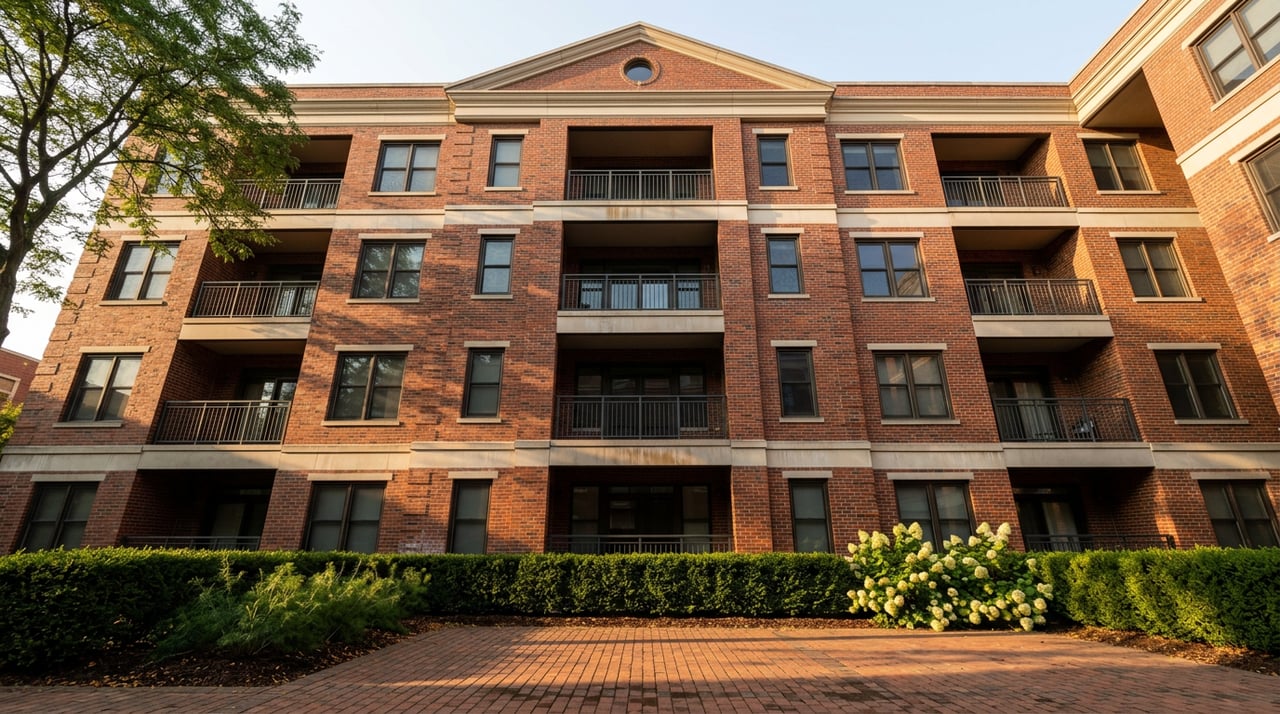
Bucktown’s housing stock is part of its identity. The neighborhood’s history includes brick cottages dating back to the 1880s, and sturdy century-old buildings remain part of the local streetscape. If you are drawn to homes with visible architectural character, Bucktown often delivers that in a very real way.
A practical way to think about Bucktown housing is that it tends to be vintage-heavy and renovation-friendly. Older brick cottages, workers’ cottages, greystones, bungalows, and similar attached homes all help shape the neighborhood feel. In some pockets, you may also see newer infill alongside those older structures.
Why Buyers Look Here
Bucktown can appeal to buyers who want more than square footage alone. You may be looking for a home near dining and arts activity, but you may also want transit access, established streets, and buildings with character. Bucktown brings those priorities together in a way that feels distinctly urban but still neighborhood-scaled.
For relocating buyers, the area can also offer an easy introduction to Chicago living. You get a recognizable commercial core, useful transit options, and well-known public amenities like the 606. That can make the neighborhood easier to understand quickly when you are comparing several North Side options.
What Stands Out About Bucktown
When you step back, Bucktown’s appeal comes from how well its parts work together. The arts scene is visible through events and public spaces, dining fits into daily routines, and commuting options add real convenience. You are not choosing one lifestyle feature at the expense of another.
That is why Bucktown often stays on the shortlist for buyers who want a Chicago neighborhood with both personality and practicality. It offers creative energy, walkability, and transportation access in one place. For many people, that combination is hard to beat.
If you are thinking about buying or selling in Bucktown, having neighborhood-specific guidance can make a big difference. The team at Ballis Group brings a high-touch, locally informed approach to helping you navigate Chicago’s North Side neighborhoods with clarity and confidence.
FAQs
What makes Bucktown, Chicago feel arts-focused?
- Bucktown’s arts identity comes through community programming like Bucktown Arts Fest, arts and culture events organized in the broader Wicker Park/Bucktown area, and public-art elements along the 606.
What is the main dining area near Bucktown, Chicago?
- A key dining and shopping hub is the North, Milwaukee, and Damen intersection, where you can find coffee shops, restaurants, stores, galleries, and nightlife options in a walkable setting.
How do you commute from Bucktown, Chicago?
- Bucktown offers Blue Line access through the Damen station, plus CTA bus connections including #50 Damen, #56 Milwaukee, and #72 North, along with bike access connected to the 606.
What is the 606 in Bucktown, Chicago?
- The 606 is a 2.7-mile trail system along the Bloomingdale corridor with art installations, an observatory, multiple access points, accessible ramps, and daily hours from 6 a.m. to 11 p.m.
What types of homes are common in Bucktown, Chicago?
- Bucktown is known for older housing stock that includes brick cottages, workers’ cottages, greystones, bungalows, and other vintage-style attached or character-rich homes, with newer infill in some areas.