Picture a classic Chicago main street where you can grab coffee, browse a beloved bookstore, and catch live music a few blocks later. If you’re looking for a small-town vibe with city convenience, Lincoln Square might be your match. In this guide, you’ll get a clear view of daily life, housing styles and price patterns, commute options, parks, and practical tips for buyers and renters. Let’s dive in.
Where Lincoln Square sits in Chicago
Lincoln Square is a North Side community area centered on a compact, village-like core along Lincoln Avenue, with residential pockets that include Bowmanville, Budlong Woods, and parts of Ravenswood and Ravenswood Gardens. It blends a quiet, residential feel with a lively commercial strip and strong community programming. According to CMAP and ACS 2019–2023 5-year estimates, the area has roughly 40,000 to 41,000 residents, a median household income around $93,600, and a housing mix of about 41% owners and 59% renters. You also see a lot of older buildings here, which shapes both the look of the streets and the real estate market’s variety (CMAP neighborhood snapshot).
Daily life on Lincoln Avenue
Lincoln Avenue is the heartbeat of the neighborhood. Independent spots like the Book Cellar and Merz Apothecary add to the area’s long-running local character, along with specialty grocers and cafes. Giddings Plaza and the Western station plaza host regular gatherings that make the district feel communal and walkable. The local Chamber highlights this “small-town-in-the-city” identity and keeps a calendar of neighborhood happenings (Lincoln Square Ravenswood Chamber).
Parks, classes, and community events
Welles Park, about 16 acres at Lincoln and Montrose, offers a fieldhouse, pool, and summer concerts at the gazebo. Winnemac Park adds larger green space with athletic fields and prairie habitat. These parks anchor youth sports, outdoor classes, and seasonal programming throughout the year (Welles Park on Chicago Park District). The Old Town School of Folk Music powers a robust lineup of classes and performances and helps lead community music events like the Square Roots festival (Old Town School of Folk Music).
Getting around without the car
Lincoln Square is well connected by the CTA Brown Line, with direct service into the Loop. Depending on your origin stop and downtown destination, plan roughly 25 to 45 minutes for the ride during typical hours (CTA Brown Line timetable). The Western Brown Line station acts as a bus and rail hub and has seen recent plaza and accessibility improvements that make transfers and neighborhood access easier (CTA Western Station info). Parts of the area also use the nearby Ravenswood Metra UP-N station for regional commutes (Metra UP-N info).
Walkability is a major draw. The area scores well for walking and biking, and many households choose transit or foot for daily errands, supporting a car-light lifestyle (Lincoln Square Walk Score overview).
Homes and architecture you’ll find
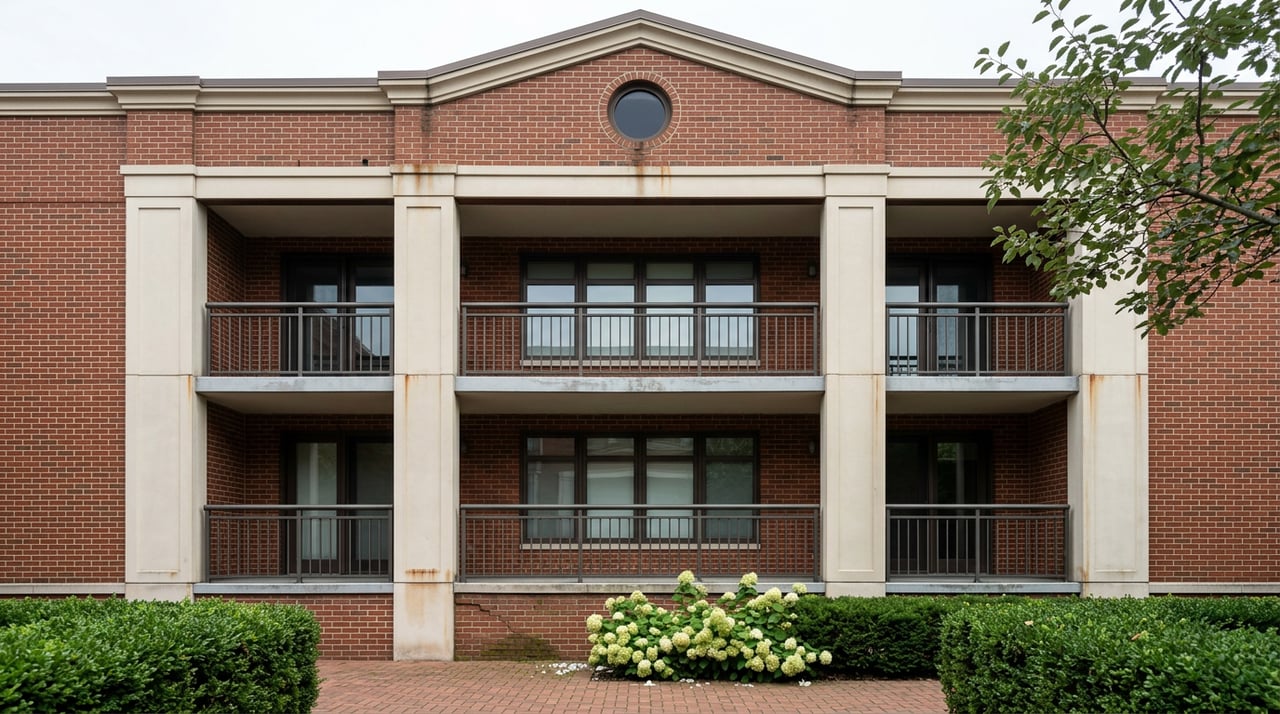
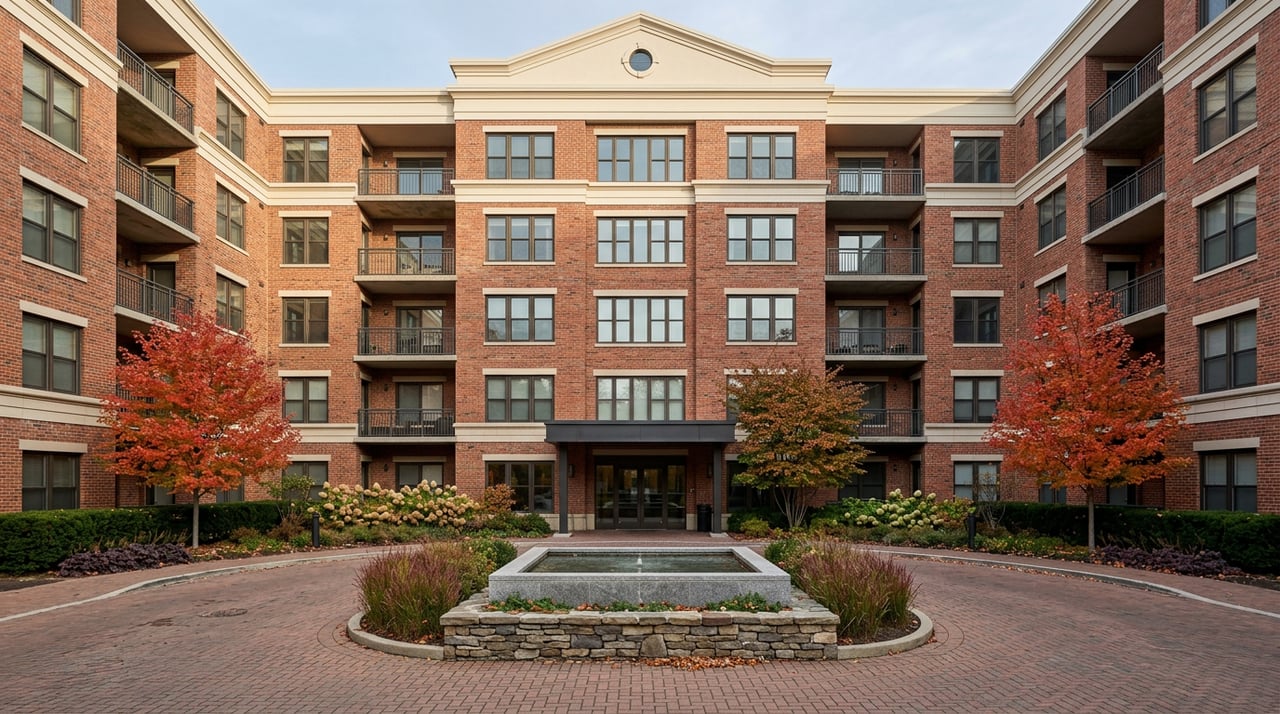
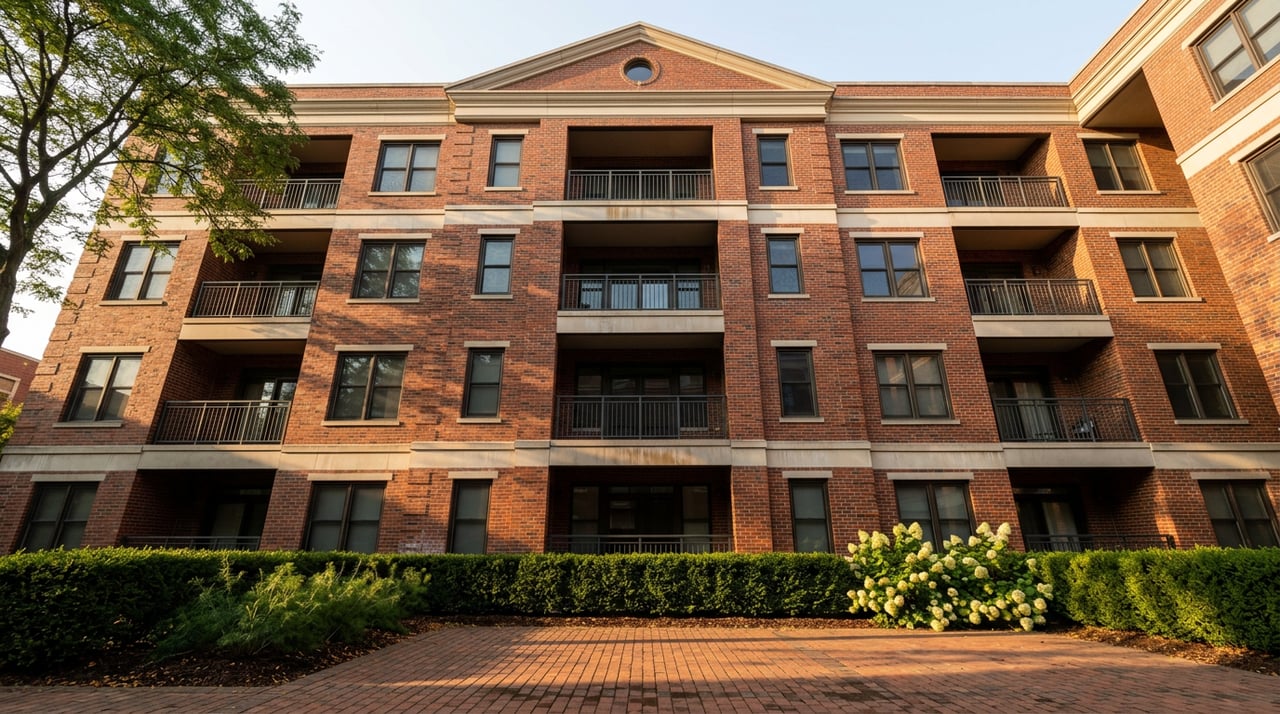
If you love vintage Chicago architecture, you’ll find plenty to like. Nearly half of Lincoln Square’s homes were built before 1940, with classic bungalows, greystones, two-flats, and courtyard apartments lining tree-shaded blocks. You’ll also see mid-century walk-ups and newer infill townhomes and condos along the main corridors. This mix creates a broad price spectrum. Generally, attached condos and smaller units trade for less than detached single-family homes, while fully renovated or new-build properties can command a premium. For older homes, expect a range of updates and renovation levels on the market at any given time (CMAP neighborhood snapshot).
Schools, services, and practical checks
Lincoln Square residents often reference public options like Chappell Elementary, Waters Elementary, and Amundsen High School. Always confirm attendance boundaries and admissions details with Chicago Public Schools, as programs and maps can shift over time. Start by reviewing program pages, such as Chappell’s overview, and then verify details directly with CPS or GoCPS (Chappell Elementary program overview).
When evaluating properties, take a practical approach. For older single-family homes, review foundation, roof, mechanicals, and whether key renovations were permitted. For condos, check building reserves, recent assessments, and any history of special assessments. For a smooth daily routine, it’s also smart to check current CTA and Metra schedules for your commute and to review local amenities you’ll use most.
Is Lincoln Square right for you?
Choose Lincoln Square if you want an easy, walkable main street, reliable transit, and a strong park-and-program scene without going far from Chicago’s core. You’ll find a wide range of homes, from charming vintage units to high-finish single-family houses, which lets you balance budget and space. If you value live music, neighborhood festivals, and local retail character, the village feel here will likely click.
Ready to explore homes or plan a sale in Lincoln Square? Work with a team that knows the blocks, buildings, and market rhythms. Connect with the Ballis Group for a thoughtful, high-touch strategy tailored to your goals.
FAQs
Is Lincoln Square walkable and bikeable?
- Yes. The neighborhood is known for strong walkability and bike access, with daily errands and transit commutes made easy by the Brown Line and local bus routes.
How long is the Brown Line commute to the Loop from Lincoln Square?
- Plan roughly 25 to 45 minutes depending on your origin station and exact downtown stop, based on published CTA timetables and typical conditions.
What housing types are most common in Lincoln Square?
- You’ll see many prewar buildings, including bungalows, two-flats, greystones, and courtyard apartments, alongside mid-century walk-ups and newer infill condos and townhomes.
Are there regular community events in Lincoln Square?
- Yes. Expect music programming led by the Old Town School of Folk Music and seasonal neighborhood festivals and markets coordinated with local partners and the Chamber.
Which public schools might serve Lincoln Square addresses?
- Families often reference Chappell Elementary, Waters Elementary, and Amundsen High School, but you should verify boundaries and admissions details with CPS for your specific address.