If you are thinking about selling your West Loop condo, one question matters more than almost any other: when should you list, and how should you price it? That can feel tricky in a neighborhood where lofts, newer amenity buildings, and luxury condo inventory all compete on different terms. The good news is that the current data points to a clear strategy. With the right prep, timing, and building-specific pricing, you can launch with confidence. Let’s dive in.
Why timing matters in West Loop
West Loop condo sellers are not stepping into a one-size-fits-all market. As of early April 2026, public data sources show somewhat different headline numbers depending on whether they track condos only, all housing types, list prices, or closed sales. For example, Redfin’s West Loop condo page shows 97 condos for sale with a median listing price of $487K and 34 median days on market, while Realtor.com’s West Loop overview reports a $485K median sale price, 147 homes for sale, and a 25-day median days-on-market figure.
That spread is important because it shows why sellers should avoid anchoring to one number. In West Loop, your pricing and timing strategy should be based on your condo’s exact product type, your building, and current buyer demand. The broader takeaway is still encouraging: Realtor.com currently labels West Loop a seller’s market, with homes selling for about 101% of asking on average.
Best time to list a West Loop condo
For most sellers, the strongest launch window is usually late March through mid-April. According to Realtor.com’s 2026 Best Time to Sell report, the Chicago-Naperville-Elgin metro’s best week this year was March 22, 2026, earlier than the national peak of April 12 to 18. That local timing was tied to 9.9% higher list prices than the start of the year, 18.0% more views per property, 23.3% fewer price reductions, five fewer days on market, and 15.2% fewer active listings than an average week.
For condo sellers, spring strength is not just a national headline. Illinois Realtors’ January 2026 forecast projected that Chicago condominium sales would rise by more than 30% from December 2025 to March 2026. That lines up with a seasonal pattern many urban sellers already feel on the ground: buyer activity tends to build in early spring, while inventory can remain relatively tight.
The practical lesson is simple. If you want to hit the market in that prime window, start preparing your condo weeks earlier. Realtor.com notes that 53% of sellers need one month or less to get ready, so even a relatively fast prep timeline still benefits from advance planning.
What buyers are comparing
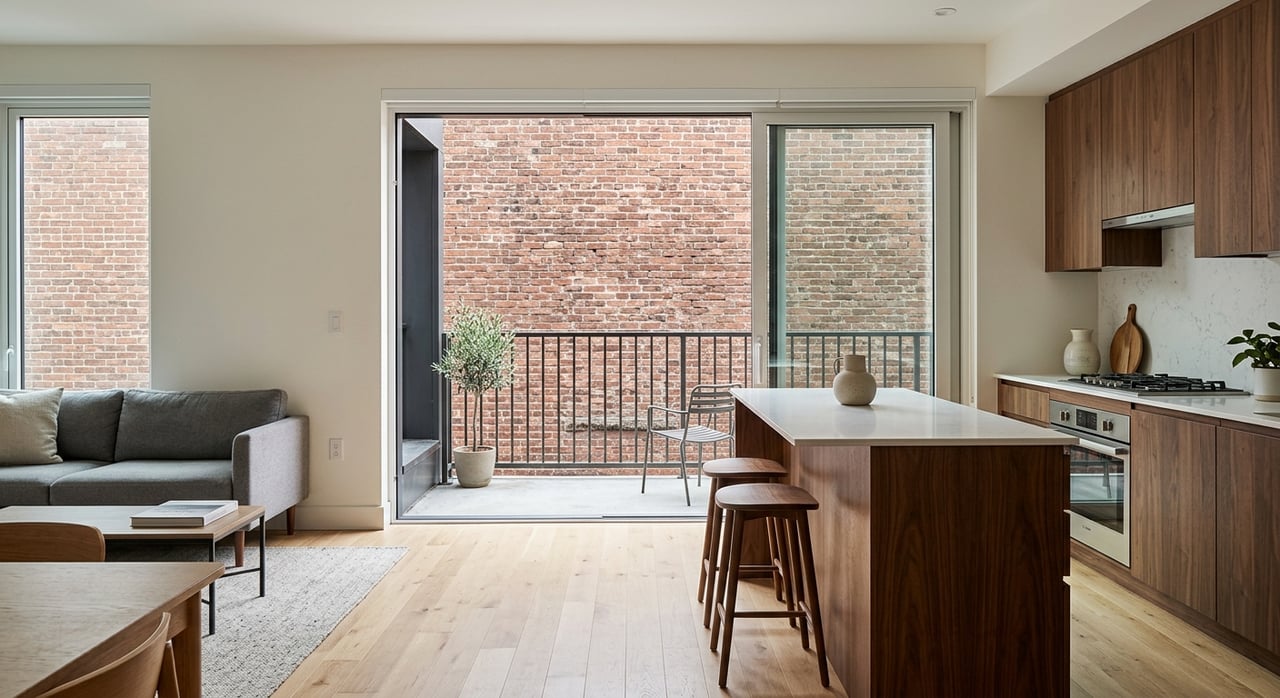
In West Loop, buyers rarely compare every condo to every other condo. They are usually comparing your home to a specific product class. A loft with exposed brick, timber beams, and high ceilings will compete differently than a newer unit in a full-amenity building with garage parking and higher HOA fees.
That distinction matters because West Loop inventory is diverse. Redfin’s condo listings show the mix clearly, from character-rich loft spaces to newer construction with polished finishes and more extensive amenities. A smart pricing strategy starts by understanding exactly where your condo fits in that lineup.
Price from your building first
One of the most important pricing rules for West Loop condo sellers is this: start with the closest comps possible. Fannie Mae’s appraisal guidance says comparable sales should be similar in size, type, age, condition, finishes, amenities, and location. For new or recently converted condo projects, the same project should be used whenever possible.
In real terms, that means your best pricing clues usually come from recent sales in your building or from very similar nearby buildings. Citywide averages or even broad neighborhood medians can be too blunt to guide a condo listing accurately. A one-bedroom concrete loft and a two-bedroom unit in a newer doorman building may both be in West Loop, but they do not necessarily share the same buyer pool.
Features that can support a stronger price
Certain condo features matter more than others because they shape both daily living and buyer demand. Zillow’s 2024 Consumer Housing Trends Report found rising interest in features like off-street parking, assigned parking, private outdoor space, and shared community amenities. The same research found that outdoor features can help homes sell for as much as 3.1% more than expected, while listings that mention garages carried a 0.3% premium.
For a West Loop condo, that means features like these can play a real role in value:
- Balcony, terrace, or other private outdoor space
- Deeded, assigned, or garage parking
- Updated kitchen and baths
- Strong natural light or upgraded lighting
- Move-in ready condition
- Appealing amenities within the building
Condition matters, too. Zillow’s research shows that 74% of buyers said a home needing no repairs or updates was an important reason for buying, and 43% chose a home because it was move-in ready. If your condo feels clean, current, and easy to picture living in, you may have more pricing flexibility and stronger early interest.
HOA costs affect pricing power
When sellers think about price, it is easy to focus only on the listing number. Buyers, however, often think in monthly terms. That is why HOA dues, reserves, and any possible special assessments can affect how your condo is received.
According to Fannie Mae’s condo buying guidance, condo fees may cover common-area maintenance, insurance, and reserves, and buyers are encouraged to ask about special assessments that could affect long-term cost to own. Lenders also review factors such as the association’s financial stability, physical condition, outstanding debts, lawsuits, and inspection status when evaluating condo warrantability.
In practice, a lower asking price with high monthly assessments may feel less attractive than a slightly higher price with lower carrying costs. This is one reason broad neighborhood pricing averages can miss the mark. Two similar condos can land very differently with buyers depending on the building’s monthly cost structure.
New luxury supply changes expectations
West Loop sellers should also pay attention to the neighborhood’s evolving upper end. New luxury inventory in and around Fulton Market helps shape what buyers expect in terms of finishes, amenities, and presentation. The market is not static, and premium new construction can influence how resale units are judged.
That does not mean every resale condo should try to match brand-new luxury pricing. It does mean your listing has to present its value clearly. The research report notes that Embry, a luxury condo building in the area, opened with units priced from $1.4 million to $7.5 million and was already about 80% sold when covered by Axios. Inventory like that can raise the standard for design, amenity quality, and overall polish.
A practical pricing framework
If you are preparing to sell, a clear framework can keep the process focused and realistic. In West Loop, the most effective pricing strategy usually follows four steps.
Define your product segment
Start by identifying exactly what you are selling. Is it a loft-style condo, a newer full-amenity unit, or a higher-end luxury product? Your condo’s style, age, layout, and building type shape who your likely buyers are.
Pull the right comps
Look first at recent sales in the same building whenever possible. If there are not enough, expand to condos with a similar size, age, condition, amenity level, and location. This approach lines up with Fannie Mae’s appraisal standards and gives you a more credible pricing baseline.
Adjust for visible value
Then account for the features buyers notice right away. Parking, outdoor space, updates, light, floor plan, and move-in ready condition can all influence interest and negotiating leverage. These details often explain why two condos with similar square footage do not command the same number.
Factor in monthly costs
Finally, consider the full ownership picture. HOA dues, reserves, and any assessment concerns can affect affordability and buyer confidence. Pricing should reflect not just the condo itself, but also the monthly experience of owning it.
How to avoid a price reduction
The best way to reduce the odds of a future price cut is to price accurately from day one. Realtor.com’s Chicago timing data suggests that sellers in the best seasonal window tend to see fewer price reductions, but timing alone is not enough. Launching in spring helps most when the condo is also well prepared and positioned against the right competition.
A strong first impression matters because buyers often move quickly in a walkable, high-demand neighborhood. West Loop’s Walk Score of 96 supports the area’s appeal, but walkability by itself will not overcome a pricing strategy that ignores building-level comps or monthly costs. The goal is not just to attract attention. It is to attract the right buyers at the right price.
The seller takeaway
There is no single magic week and no universal list price for every West Loop condo. Still, the data points in a consistent direction: a well-prepared condo that launches in the late March to mid-April window and is priced from strong building-level comps is better positioned to generate traffic, avoid unnecessary reductions, and sell close to asking.
That is where experienced guidance can make a real difference. From prep strategy to pricing to positioning your condo against the right competition, the details matter in this market. If you are thinking about selling in West Loop, Ballis Group can help you build a smart, tailored plan.
FAQs
When is the best time to sell a West Loop condo?
- For most sellers, the strongest window is usually late March through mid-April, based on 2026 Chicago-area timing data from Realtor.com and seasonal condo trends reported by Illinois Realtors.
How should you price a West Loop condo?
- Start with recent comparable sales in your building or among very similar condos nearby, then adjust for condition, finishes, amenities, parking, outdoor space, and monthly HOA costs.
Are West Loop condos in a seller’s market?
- Realtor.com’s February 2026 snapshot labels West Loop a seller’s market and reports that homes sold for about 101% of asking on average.
Do HOA fees affect West Loop condo value?
- Yes. Buyers and lenders look at HOA fees, reserves, and possible special assessments, so monthly carrying costs can influence demand and pricing power.
What features help a West Loop condo sell faster?
- Features like garage or assigned parking, private outdoor space, updated finishes, strong lighting, move-in ready condition, and appealing building amenities can all support buyer interest.
Why are West Loop condo price estimates different across websites?
- Public sites may track different time periods, housing types, and metrics such as listing prices versus closed sale prices, which is why building-specific comps are usually more useful than a single neighborhood-wide number.