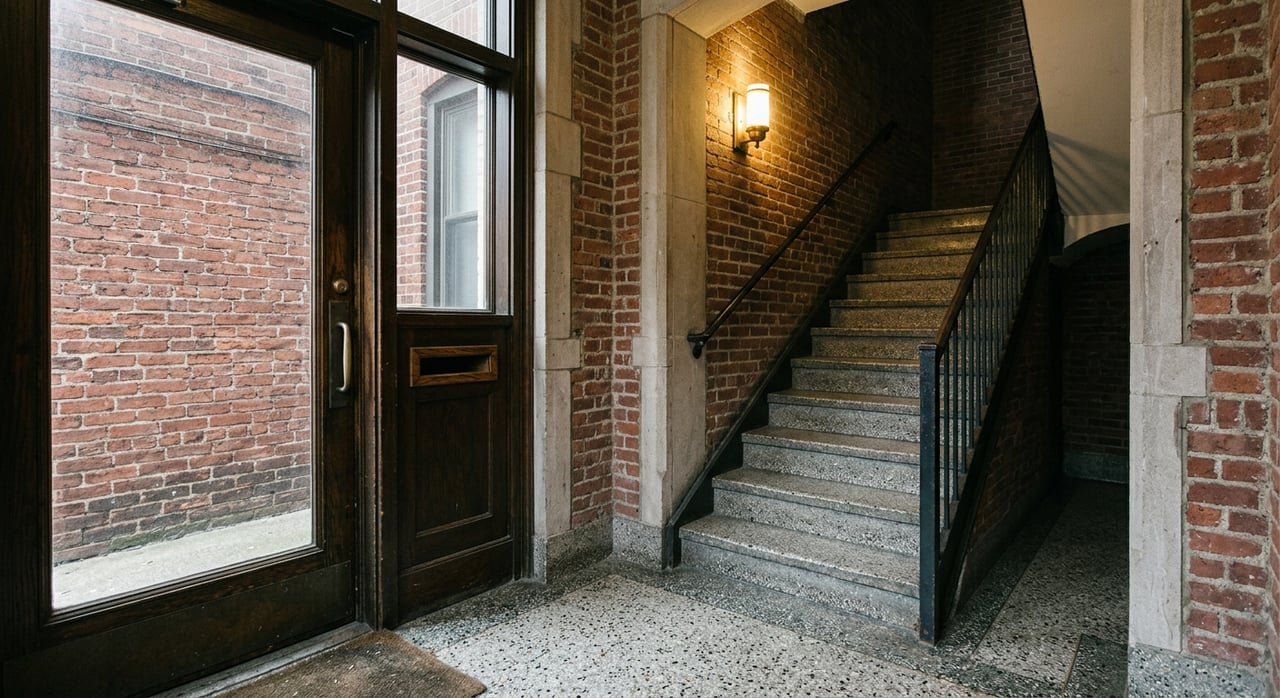
Thinking about buying a vintage walk-up or rowhouse in Old Town? You are not alone. These homes offer charm, history, and a streetscape that feels distinctly Chicago, but they also come with a very different due diligence process than newer construction. If you are considering an Old Town property, understanding landmark status, building condition, renovation limits, and condo finances can help you buy with more confidence. Let’s dive in.
Why Old Town Feels Different
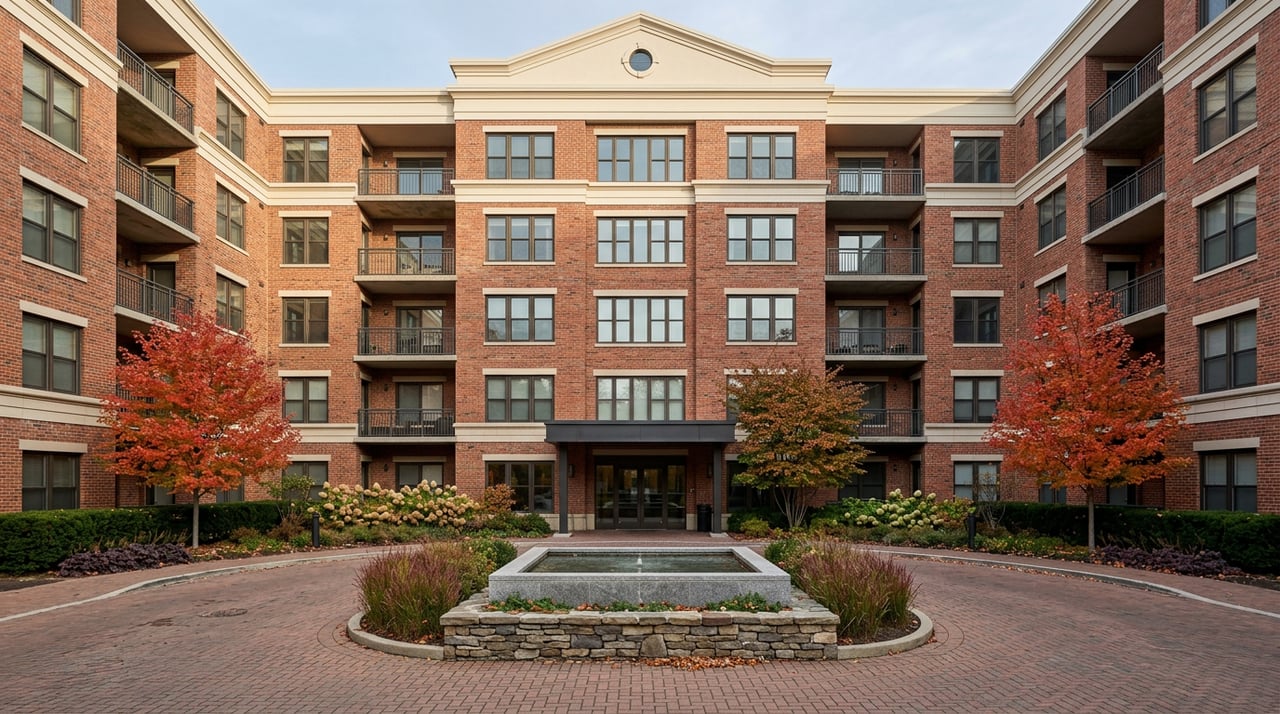
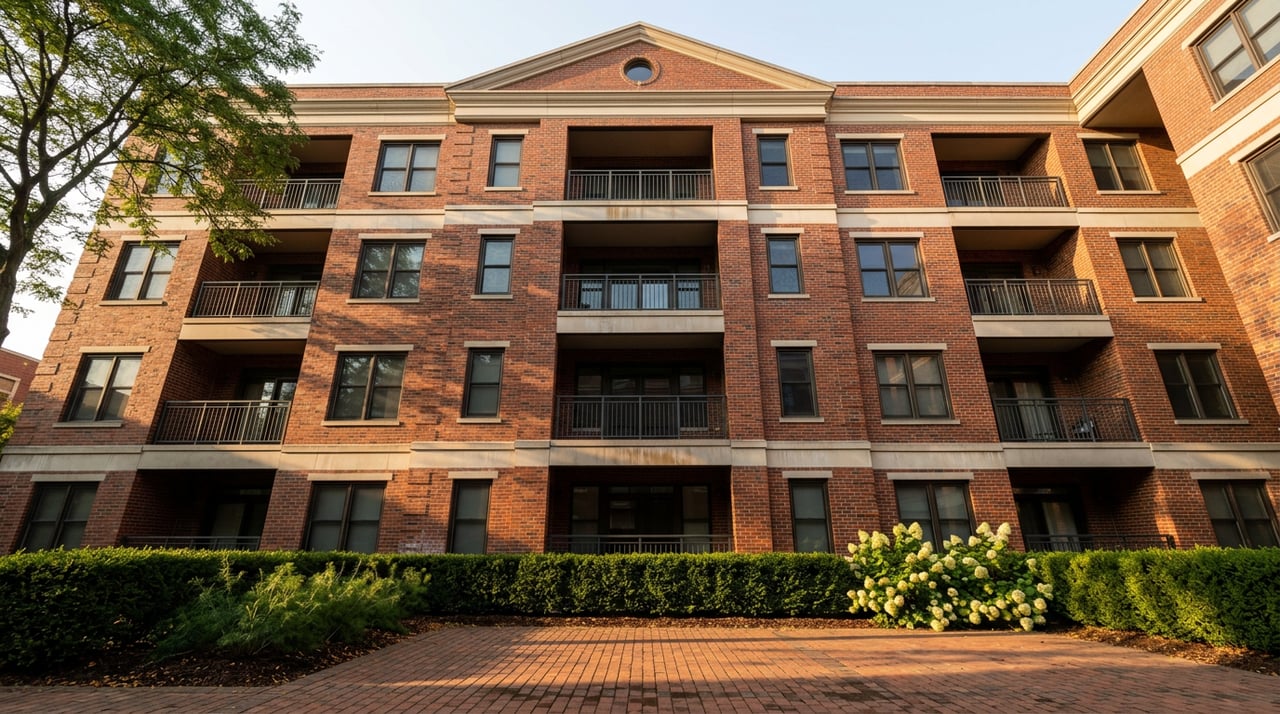
Old Town’s vintage housing stock is a big part of what makes the neighborhood so recognizable. According to the City of Chicago’s Old Town Triangle District overview, much of the district was built between 1871 and 1900, and the eastern portion developed with rowhouses and apartment buildings after the Great Fire.
That history matters when you are buying. In practical terms, it means attached vintage homes are common here, and many properties may sit within an area where historic character affects future exterior work. A rowhouse or walk-up in Old Town can be a wonderful fit, but it is smart to verify exactly what you are buying before you fall in love with the details.
Confirm Landmark Status Early
One of the first things to check is whether the home is inside the Old Town Triangle District or another Chicago landmark district. The City explains that permit applications for designated landmarks, proposed landmarks, and work within landmark districts are reviewed to protect significant historic and architectural features, especially exterior elevations visible from the public way.
That does not mean you cannot improve the property. It does mean your future plans for windows, masonry, roofing, additions, decks, dormers, or rooftop equipment may require more review than they would in a newer building. Starting with the Chicago Historic Resources Survey can help you confirm a building’s construction date, style, and landmark status.
It is also helpful to know what landmark status does not automatically do. The City states that landmark designation does not directly change the Cook County Assessor’s valuation or tax rate, which is a useful point for buyers weighing long-term ownership costs.
Look Closely at the Exterior Envelope
In a vintage building, the exterior shell often tells you a lot. Chicago’s landmark review materials specifically highlight masonry, roofing, windows, doors, skylights, and rooftop equipment as common review items. That makes sense in Old Town, where older brick buildings and attached homes depend heavily on the condition of their exterior envelope.
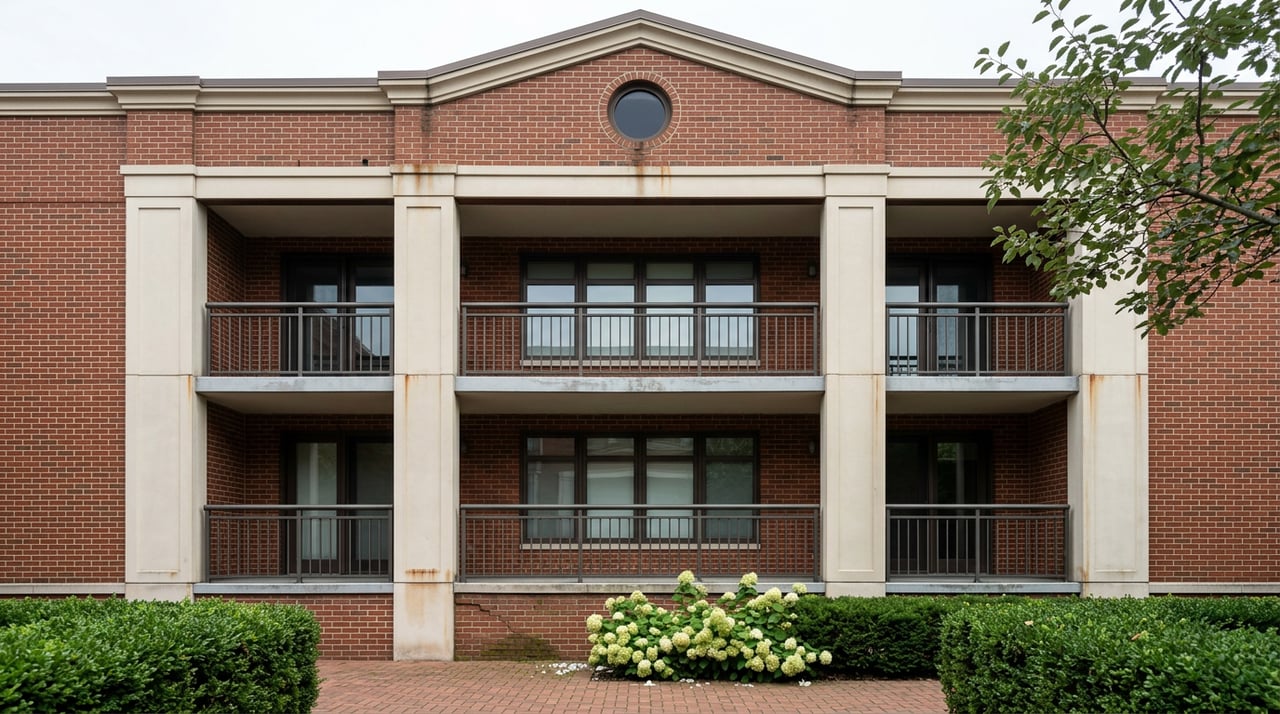
The National Park Service notes that water intrusion in historic masonry is often tied to leaking roofs, clogged or failing gutters and downspouts, missing mortar, or cracks around openings, not just the brick itself. For you as a buyer, that means it is worth paying close attention to signs such as:
- Stains on interior walls or ceilings
- Peeling plaster or paint
- Failed tuckpointing
- Parapet damage
- Rot near windows or doors
- Evidence of patching
- Non-matching replacement materials
These details may sound minor during a showing, but they can point to larger maintenance needs. In an attached rowhouse, unresolved exterior issues can become expensive quickly. In a condo walk-up, they may affect the entire association.
Ask Better Questions About Systems
Vintage charm does not replace solid infrastructure. Before making an offer, try to learn when the roof, windows, tuckpointing, electrical panel, plumbing, and mechanical systems were last updated.
This is especially important in Old Town because many homes have had layers of renovation over time. Some upgrades may be recent and well documented, while others may be partial, cosmetic, or done years ago. Asking direct questions early can help you separate a thoughtfully maintained home from one that may need major work soon after closing.
Understand Lead and Water Concerns
Lead is one of the biggest health and maintenance topics in older housing. The EPA says the older the home, the more likely it contains lead-based paint. It estimates that 87% of homes built before 1940 and 24% of homes built between 1960 and 1978 contain some lead-based paint.
If you are buying most pre-1978 housing, you should receive lead disclosures. The EPA also advises Chicago residents who may have a lead service line to consider testing drinking water. In a neighborhood with older housing stock, that makes lead disclosures and any available water-testing information important parts of your due diligence, not just paperwork to skim at the end.
Vintage Condo? Review the Association Like an Investor
If you are buying a vintage walk-up condo, the building’s finances matter almost as much as the unit itself. Under Illinois condo law on budgets and reserves, condo boards must prepare a detailed annual budget and provide for reasonable reserves for capital expenditures and deferred maintenance. The law also requires boards to consider the repair and replacement cost and useful life of structural and mechanical components, common surfaces, and energy systems.
That matters because vintage buildings can face large shared expenses. Roof work, masonry repair, common plumbing stacks, or exterior restoration can lead to special assessments if reserves are thin.
Illinois resale rules also require sellers to make available key documents, including the declaration, bylaws, rules, statements of liens or unpaid assessments, anticipated capital expenditures for the current or next two fiscal years, and the status and amount of reserve funds. You can review the requirements in the Illinois resale disclosure statute.
What to review in condo documents
When you review a vintage condo package, focus on a few practical items:
- Annual budget
- Current reserve balance
- Any reserve waiver disclosures
- Planned capital projects
- Recent or pending special assessments
- Building rules that may affect renovation plans
- Notes about roof, masonry, plumbing, or window work
A beautiful top-floor unit can still be a risky purchase if the association has deferred major exterior maintenance. On the other hand, a well-run association with realistic budgeting can make an older building feel much more predictable.
Renovation Plans Need Extra Planning
Many buyers are drawn to Old Town because they can picture blending historic character with modern comfort. That can absolutely be possible, but it is important to understand what may trigger review before you close.
The City’s landmark guidance says exterior work in designated districts may be reviewed for its effect on visible historic features. That includes windows, masonry, roofing, additions, dormers, rooftop additions, decks, and rooftop mechanical equipment. If your post-closing wish list includes opening a rear wall, replacing front-facing windows, or adding visible rooftop elements, it is worth checking the approval path as early as possible.
The National Park Service also emphasizes repair over unnecessary replacement in historic buildings. It notes that many older buildings already have features such as operable windows, natural light, and heavy masonry walls that can support comfort and efficiency. In practice, that means upgrades may be possible, but they often require more planning and a closer match to historic materials and detailing than in newer construction.
A Simple Old Town Buyer Checklist
If you want a cleaner way to evaluate a vintage walk-up or rowhouse, start with this checklist:
- Confirm whether the property is in a landmark district.
- Verify the building’s age, style, and status through the City’s survey tools.
- Review the exterior carefully for masonry, roof, parapet, and window issues.
- Ask when key systems were last updated.
- Request lead disclosures and any available water-testing or lead service-line information.
- If it is a condo, review reserves, budgets, and anticipated capital projects.
- Check whether your planned renovations may trigger landmark review.
This process may feel more detailed than buying newer construction, but it can help you avoid expensive surprises and set realistic expectations for ownership.
Why Local Guidance Matters
Old Town’s housing stock is not one-size-fits-all. Two homes on the same block can differ in landmark implications, renovation history, building condition, and condo financial health. That is why buyers often benefit from neighborhood-specific guidance, especially when comparing vintage condos, attached rowhouses, and updated older properties.
At Ballis Group, we help buyers look beyond the finishes and ask the right questions early. In a neighborhood like Old Town, that kind of preparation can make your search feel more focused and your decisions more informed.
If you are considering a vintage walk-up or rowhouse in Old Town, Ballis Group can help you evaluate the details that matter before you write an offer.
FAQs
What should you inspect first when buying a vintage Old Town home?
- Start with the exterior envelope, especially masonry, roofing, windows, parapets, and signs of water intrusion or patchwork repairs.
What does landmark status mean for an Old Town buyer?
- Landmark status can affect how future exterior work is reviewed, particularly for features visible from the public right-of-way, so it is important to confirm status early.
What documents should you review for an Old Town vintage condo?
- Review the budget, reserve balance, bylaws, rules, unpaid assessments, anticipated capital expenditures, and any reserve waiver disclosures.
Why are lead disclosures important in Old Town vintage housing?
- Older homes are more likely to contain lead-based paint, and most pre-1978 homes require lead disclosures for buyers.
Can you renovate a rowhouse or walk-up in Old Town after closing?
- You may be able to renovate, but exterior changes such as windows, masonry, roofing, decks, dormers, or rooftop additions may require landmark review depending on the property and location.