Thinking about a move to Chicago and wondering where to land first? If you want a neighborhood that puts you close to downtown, offers strong transit options, and gives you plenty to do outside of work, River North deserves a serious look. For many relocating professionals, it works because it combines convenience, condo variety, and a true city feel in one central location. Let’s dive in.
Why River North Stands Out
River North is part of Chicago’s Near North Side and is widely known for its art galleries, restaurants, nightlife, and standout architecture. According to WTTW’s neighborhood overview, the area has long been associated with galleries, dining, and entertainment, while Choose Chicago highlights its position just north of the river from the Loop.
For you as a relocator, that central location is often the biggest advantage. River North can function as an amenity-rich home base with quick access to downtown offices, the Riverwalk, and a broad mix of dining and entertainment. WTTW also notes that large tech companies have set up shop in the area, which adds to its appeal for professionals who want to live close to work and daily conveniences.
Central Location for Busy Schedules
When you relocate, time matters. You may be balancing a new job, a compressed home search, and the challenge of learning a new city all at once. River North works well because it places you near the Loop and other key downtown destinations without requiring a long daily commute.
That centrality also helps if your schedule changes from day to day. If you work in person some days, meet clients across downtown, or need easy access to regional transit, River North gives you flexibility. Instead of planning your life around a commute, you can often build your home search around how you actually live.
Transit Options That Simplify Commuting
One reason River North is especially practical for relocating professionals is transit access. WTTW reports that the neighborhood is served by the CTA Red and Brown lines, with nearby stops including Clark and Division, Grand, Chicago, and Merchandise Mart.
That gives you several ways to think about your commute. Rather than asking only whether you like a building, it helps to ask which station best fits your routine, how often you need to be in the office, and whether you want to walk, take rail, or mix both.
Key CTA Stations to Know
If you are narrowing your search, these stations often matter most:
- Grand at 521 N. State St.
- Chicago at 300 W. Chicago Ave.
- Merchandise Mart at 350 N. Wells St.
- Clark and Division for broader Near North access
The best station for you depends on your office location, your tolerance for walking, and how often you commute. A short, easy route can make a big difference, especially if you are new to the city.
Regional Rail Access
If your work or personal routine takes you into the suburbs, regional rail access is another plus. Metra’s Ogilvie Transportation Center serves the Union Pacific North, Northwest, and West lines, while Union Station serves several additional lines and connects to CTA transit.
For many buyers relocating to Chicago, these terminals matter because they create another layer of flexibility. Even if you live in a highly urban neighborhood, you can still maintain practical access to suburban offices, client meetings, or weekend travel.
The Riverwalk Adds Everyday Ease
Commute convenience is not just about trains. The Chicago Riverwalk gives River North residents a pedestrian-friendly route along the south bank of the river, with access points at major intersections along Wacker Drive.
That may sound like a lifestyle perk, but it can also be a practical one. If you enjoy walking to meetings, taking a break during the day, or using outdoor public space as part of your routine, the Riverwalk adds another layer of connectivity and appeal.
What Housing Options Look Like
River North is not a one-building neighborhood. Its housing stock reflects both older industrial roots and newer vertical development. Choose Chicago’s overview of gallery districts notes that the art district is housed in former warehouse buildings, while WTTW points to architectural landmarks and continued high-rise growth.
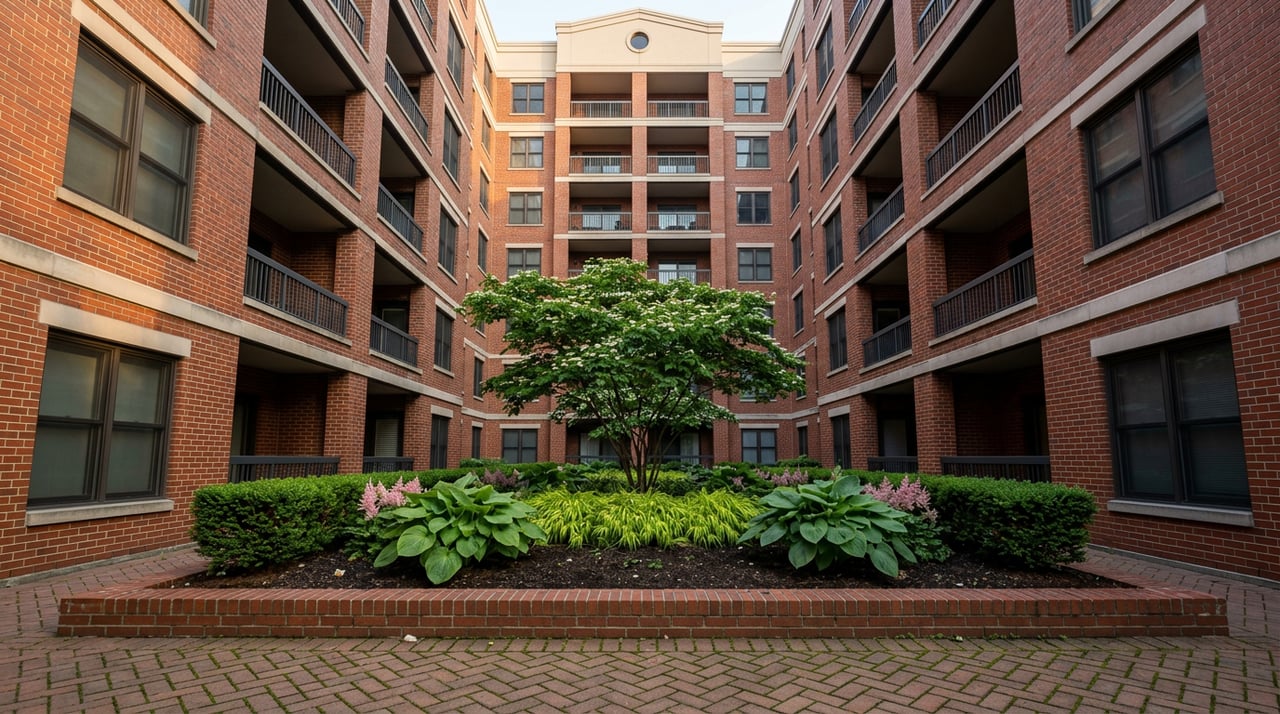
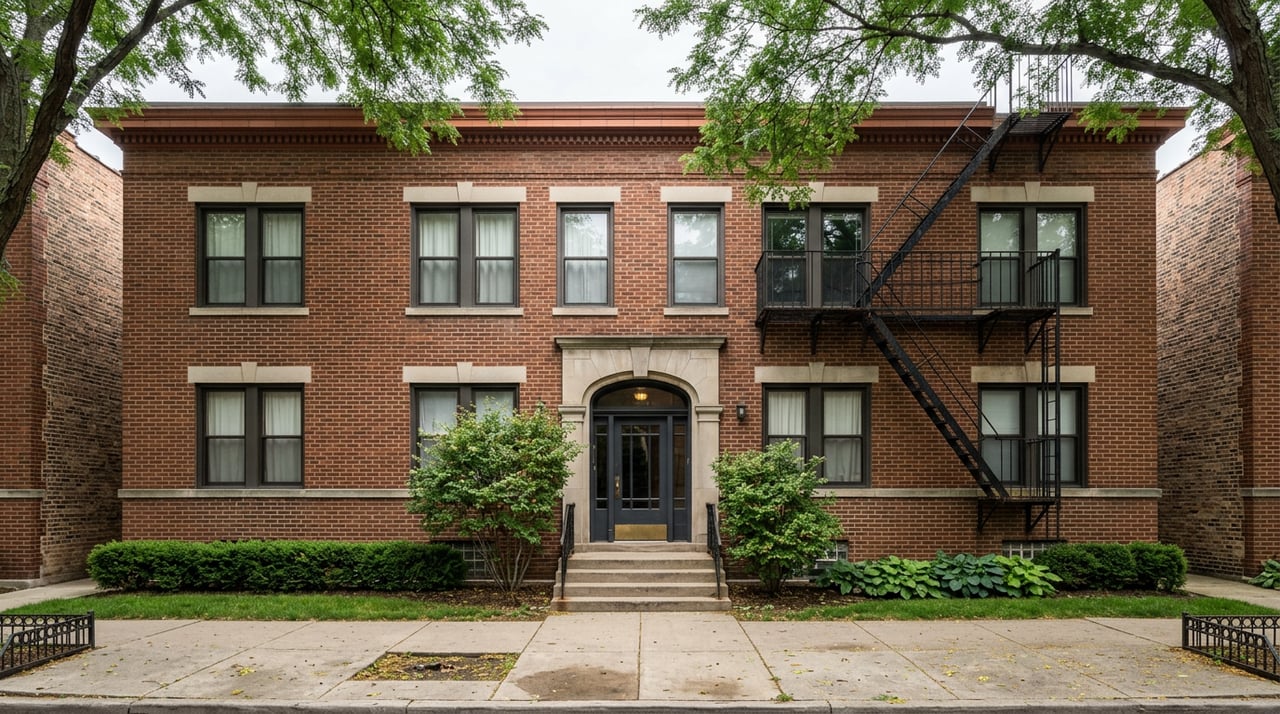
In practical terms, your search may include loft-style conversions, mid-rise and high-rise condo towers, and smaller boutique buildings. That variety is one reason River North appeals to relocators. You can often choose not just a location, but a living style that fits how you want to use the space.
Loft, High-Rise, or Boutique?
Each option can appeal to a different kind of buyer preference:
- Loft conversions often offer character, open layouts, and industrial details tied to former warehouse buildings.
- Newer high-rises may offer a broader amenity package such as fitness centers, pools, garages, balconies, and party rooms.
- Boutique buildings can provide a smaller-scale feel with fewer units and a different HOA structure.
This is where building-level analysis matters. In River North, two homes at similar price points can feel very different depending on finishes, floor, views, amenities, and monthly dues.
River North Pricing Requires Context
Broad market averages can help frame the conversation, but they do not tell the whole story in a condo-heavy neighborhood. According to Realtor.com’s River North market data, the area recently showed 317 homes for sale, a median list price of $500,000, median days on market of 39, a sale-to-list ratio of 99%, and a median rent of $3.2K across 953 rentals.
At the same time, the research report notes that pricing snapshots can vary by source and methodology. That is common in a compact downtown market with a wide mix of unit sizes, building types, and amenity levels. If you are relocating, the key takeaway is simple: broad neighborhood numbers are useful, but the real decision usually comes down to the specific building and the true monthly cost.
Look Beyond the Purchase Price
When comparing condos, make sure you account for more than the list price. In River North, your monthly ownership cost may also be shaped by:
- HOA dues
- Parking costs
- Storage availability or fees
- Building amenities
- Utility structure tied to the association
For many buyers, these factors affect day-to-day comfort just as much as the purchase price itself. A well-located home with a smooth commute and the right building setup may be a better fit than a larger unit that creates friction every week.
Why River North Fits Relocating Professionals
Relocation decisions are often shaped by work and access. The National Association of Realtors’ 2024 migration research found that 36% of recent client moves were to a different state, and proximity to work was cited as both a primary and secondary reason for choosing an area.
That helps explain why River North stands out. If you are moving from out of market, there is real value in choosing a neighborhood that lets you get oriented quickly. You can test your commute, explore the city on foot, and settle into a location with strong access to work, dining, and transit.
A Smart Way to Handle the Search
A relocation move usually works best with a clear process. Based on NAR guidance for relocation support, a practical search often starts with a detailed checklist, flexible communication, and a customized plan for getting from shortlist to closing.
For a River North move, that process often looks like this:
- Define your budget, commute needs, hybrid schedule, parking requirements, pet needs, and building preferences.
- Build a focused shortlist of neighborhoods and buildings.
- Use virtual tours for first-pass screening.
- Schedule a concentrated in-person visit to compare top options.
- Move into offer strategy, inspection, appraisal, title work, escrow, and closing.
What You Can Do Remotely
A lot of the early search can be handled before you arrive in Chicago. You can refine your must-haves, compare buildings, review layouts, and eliminate homes that do not fit your routine. That makes your in-person visit more efficient and more productive.
Once you have an accepted offer, there are still several transaction steps to navigate. NAR notes that these typically include earnest money, appraisal, title search, inspections, insurance decisions, and closing. A structured process matters, especially when you are coordinating a move on a tight timeline.
How to Decide If River North Is Right for You
River North may be a strong fit if you want a central Chicago location, a condo-focused housing supply, and easy access to downtown transit and amenities. It can be especially appealing if your priority is convenience, building options, and the ability to settle into city life quickly.
The best way to evaluate the neighborhood is to match it to your actual routine. Think about where you work, whether you need parking, how much building amenity matters to you, and whether you prefer a loft feel, a full-service tower, or a smaller building. Those details usually matter more than the headline statistics.
If you are planning a move to Chicago and want a thoughtful, high-touch approach to narrowing the right neighborhood and building, Ballis Group can help you create a focused plan and navigate the process with clear communication from start to close.
FAQs
Which CTA station is best for a River North commute?
- The best station depends on where you work and how far you want to walk, but River North is served by the Red and Brown lines, with nearby stops including Grand, Chicago, Merchandise Mart, and Clark and Division.
What types of homes are common in River North, Chicago?
- River North commonly offers loft conversions, mid- and high-rise condos, and boutique condo buildings, giving you several different living styles within the same neighborhood.
How much do HOA dues and parking matter in River North condos?
- They matter a lot because HOA dues, parking, storage, and building amenities can significantly change your true monthly housing cost beyond the purchase price.
Can a River North home search be done remotely?
- Yes, much of the early search can be handled remotely through planning, building comparisons, and virtual tours, with a short in-person trip often used to evaluate final options.
Why do relocating professionals choose River North in Chicago?
- Many relocating professionals choose River North for its central location, access to downtown, CTA and Metra connectivity, condo variety, and walkable access to restaurants, galleries, and the Riverwalk.