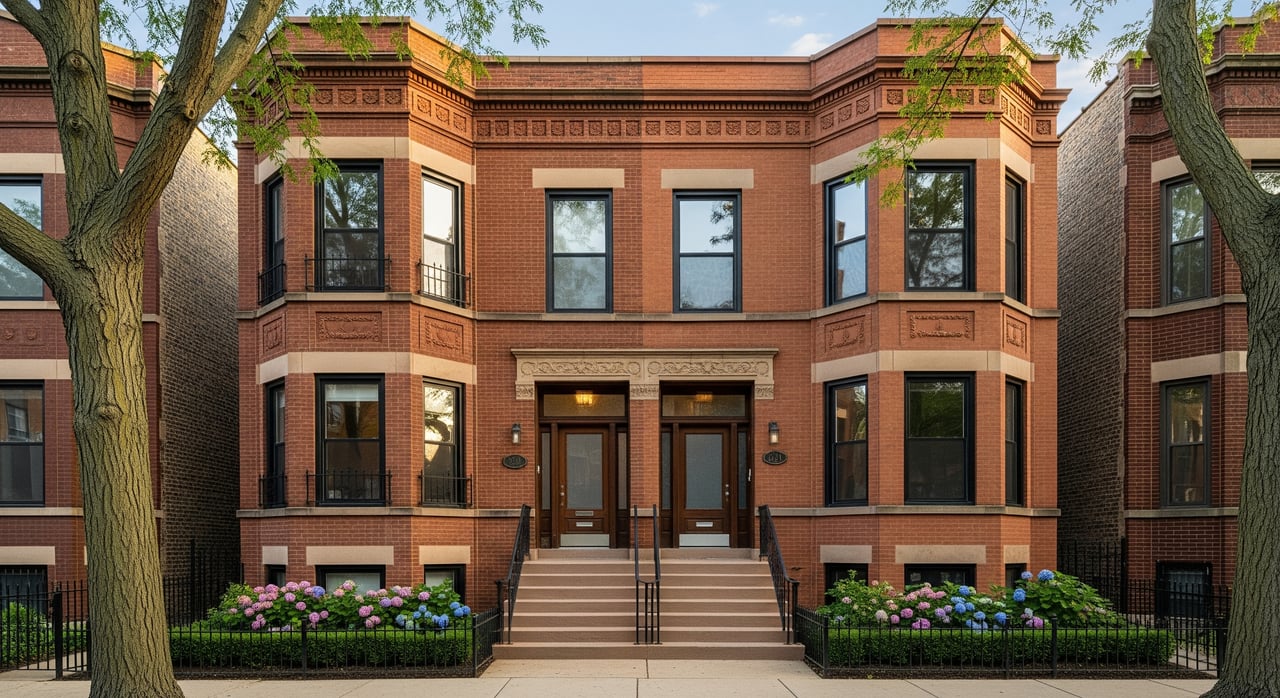
Curious how people live in Lincoln Square while a tenant helps pay the mortgage? You’re not alone. Many buyers look at two-flats as a path to owning in a great North Side neighborhood while building long-term wealth. In this guide, you’ll learn what a two-flat is, how house-hacking works here, how to think about financing and rental income, and what to inspect before you buy. Let’s dive in.
What a two-flat is in Chicago
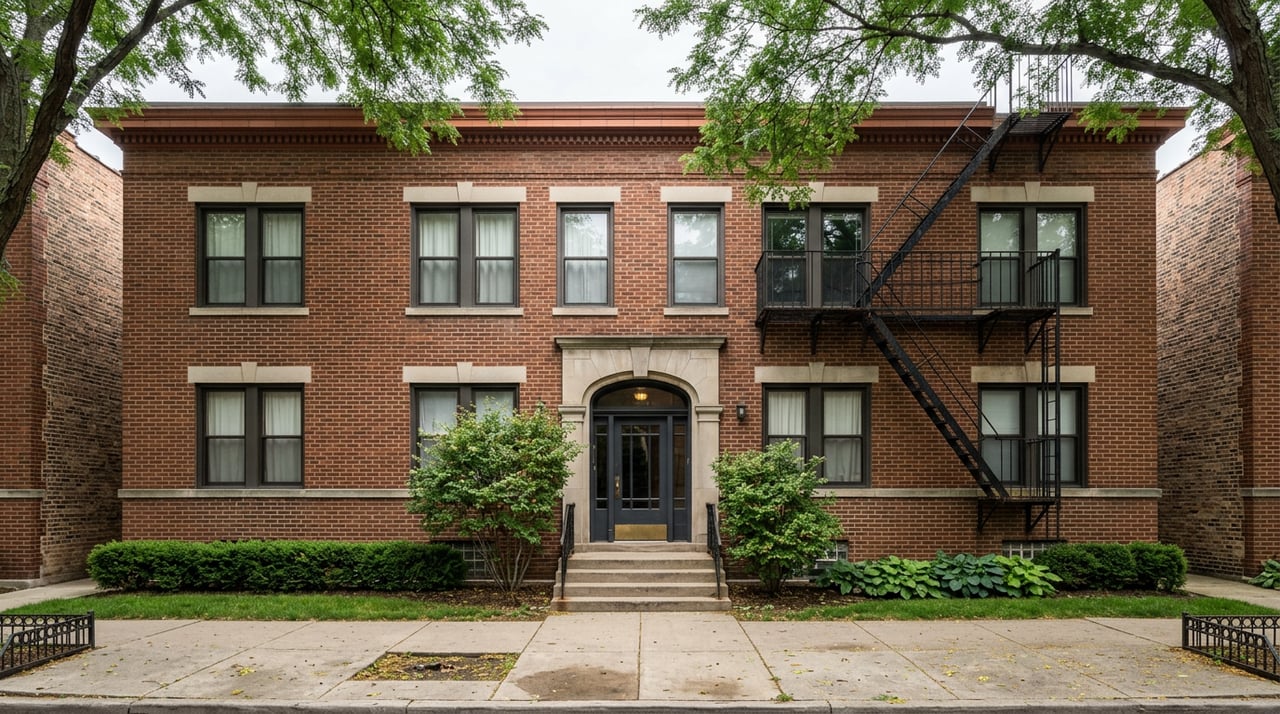
A two-flat is a building with two separate dwelling units under one roof. In Chicago, you’ll see stacked layouts with one unit on the first floor and one on the second. Side-by-side layouts also exist, especially in newer builds.
Some buildings include a garden-level apartment. If you consider a basement unit, verify legal egress, light, and habitability. Many Lincoln Square two-flats are vintage masonry buildings from the late 19th and early 20th centuries, so expect original character along with older mechanicals.
How owners use two-flats
Two-flats are popular because they give you flexibility. You can live in one unit and rent the other, which is the classic house-hack. You can buy for investment and rent both units.
Depending on your lender and occupancy rules, you may live in the building part-time and rent both units. If you plan something beyond standard owner-occupancy, discuss expectations with your lender and your attorney early.
Ownership types and why they matter
Most two-flats in Lincoln Square sit on a single tax parcel with one owner for the whole building. You collect rent from each unit and carry one property tax bill and one insurance policy geared for a 2-unit.
Some two-flats have been converted to condominiums, where each unit is a separate condo. That is less common for vintage two-flats. Ownership structure affects financing, taxes, insurance, and your obligations as a landlord or association member, so confirm the classification before you write an offer.
Lincoln Square rules and due diligence
Before you buy, check zoning and any overlay districts that apply to the property. Zoning can affect permitted uses, additions, and any plan for accessory or basement units. If a seller added or altered a unit, look for permits and inspections through the City of Chicago Department of Buildings.
Chicago and Illinois landlord-tenant rules cover everything from security deposits and notices to habitability and the eviction process. Local rules can differ from state law. If you plan to rent a unit, review official city guidance or consult a local attorney to stay compliant.
Cook County assesses property taxes for two-flats as multi-unit residential property. Confirm the parcel’s classification and recent assessments with public records and ask your lender or attorney about owner-occupant exemptions. If you intend to live in one unit, the homestead exemption may apply. Always verify current policies.
Older two-flats often have shared utilities or a single boiler. Separate meters for electric, gas, and sometimes water make tenant billing simpler. Ask about current metering and the cost to separate systems if needed.
With historic-era buildings, check for lead paint in pre-1978 structures and be mindful of asbestos, older wiring, and original boilers. These issues can be manageable with planning, but you should budget for remediation or upgrades.
Financing paths for house-hacking
Owner-occupant loans are often the most accessible way to house-hack a Lincoln Square two-flat. FHA offers 1 to 4 unit loans if you occupy one unit as your primary residence. Many buyers choose FHA because minimum down payments can be lower than investor loans and credit requirements are more flexible. FHA appraisals and property standards are stricter than some conventional loans, so some homes may require repairs to qualify.
Conventional loans for owner-occupants also work for 2-unit properties. They generally require a larger down payment and more reserves than a 1-unit home but can still be favorable compared to investor terms. Talk with lenders about current guidelines and how they will treat projected rental income from the second unit.
If you plan to buy as an investor, you will typically see higher down payment and reserve requirements. Conventional investor loans consider the property’s income and your profile. Some buyers use portfolio loans from local banks or cash-flow products that underwrite based on the property’s rent rather than your personal income. Availability and terms vary by lender.
If you want to buy a vintage two-flat and renovate, FHA 203(k) and Fannie Mae HomeStyle programs combine purchase and rehab into one loan. These can be useful for buildings that need major updates.
How lenders evaluate two-flats
Lenders look at a few key items when you finance a two-flat:
- Owner-occupancy status. Living in one unit usually improves terms compared to a pure investment purchase.
- Rental income. Many lenders allow a portion of the second unit’s rent to count toward your qualifying income. You will need leases, rent rolls, or market rental estimates to document it.
- Property condition. Appraisals and habitability standards matter. Clearly separate living units, safe mechanicals, and code compliance are important.
- Cash reserves and debt-to-income. Multi-unit loans often require more reserves than single-family.
Estimating rental income and returns
Smart house-hacking starts with a simple pro forma. You do not need complicated spreadsheets to see if a two-flat fits your goals. Build your analysis with these steps:
- Pull current rents for similar one- and two-bedroom units in the immediate Lincoln Square area. Use neighborhood-level comps and, if possible, guidance from a local property manager or agent.
- Estimate gross scheduled rent for both units at market rates. If you plan to live in one unit, include only the rent you expect from the other unit.
- Apply a vacancy allowance based on local turnover. Even well-located units have occasional downtime.
- Estimate operating expenses. Include property taxes, insurance, utilities you will cover, routine maintenance, management fees if you do not self-manage, and legal or accounting costs. Add a capital reserve for big-ticket items like roof work, tuckpointing, or boiler replacement.
- Calculate Net Operating Income. Subtract your vacancy allowance and operating expenses from your gross effective rent.
- Estimate debt service using your likely loan terms. Compare an owner-occupant scenario to an investor scenario if you are weighing both.
- Compute cash flow and cash-on-cash return. Divide annual cash flow by your cash invested, including down payment, closing costs, and any planned rehab.
- Consider cap rate. Divide NOI by purchase price to compare to other small multifamily options.
In Lincoln Square, rental demand is often driven by transit access, local amenities, and walkability. Proximity to the CTA Brown Line, Metra access in nearby areas, and an easy commute can help occupancy. Condition matters too. Updated kitchens and baths, separate entries, and practical layouts support stronger rent. Parking availability can influence rent for households that need a car.
Finding and evaluating Lincoln Square two-flats
Start with an MLS search focused on 2-unit buildings and keywords like two-flat or multi-unit. Lincoln Square and adjacent pockets like Ravenswood and Andersonville include a healthy mix of vintage masonry buildings. Because availability shifts by season, you may want to review both recent sales and current listings for a fuller picture.
It helps to walk or drive the streets to understand block-by-block differences. Some opportunities appear off market when owners are open to selling but have not listed. Work with an agent experienced with 1 to 4 unit properties on the North Side so you can spot both the value drivers and potential pitfalls.
Inspections and risk checklist
A vintage two-flat rewards thorough due diligence. Use this checklist from offer through attorney review:
- Full home inspection that includes structure, roof, foundation, and moisture or mold risk.
- Plumbing inspection and sewer scope, especially if a basement or garden unit exists.
- HVAC and boiler inspection with age and service history. Many two-flats have boilers that serve both units.
- Electrical inspection to identify knob-and-tube wiring and confirm service size.
- Pest inspection, especially for older masonry buildings.
- Lead paint risk assessment with required disclosures for pre-1978 homes.
- Verification of unit legality and occupancy for any basement or converted space.
- Review of current leases, security deposits, tenant payment history, and rent roll. If you will use rent for underwriting, gather bank statements or other proof.
- Insurance quotes for landlord or owner-occupant coverage on a 2-unit.
Watch for deferred maintenance like roof wear, tuckpointing needs, and older porches. Shared systems complicate tenant billing and replacement decisions. Basement water intrusion and foundation settlement can be costly, so investigate early. In Chicago, there is not a general rent stabilization policy, but local leases may include specific protections, so review terms with your attorney.
Utilities, metering, and operations
Ask how utilities are metered. Separate electric and gas for each unit simplifies billing. If a single boiler serves both units, expect to manage heat costs or consider future upgrades. Water is often on one meter. If you plan to separate services, confirm feasibility and costs before closing.
Decide whether you will self-manage or hire a property manager. Include management fees in your expense model if you outsource. Choose the correct insurance type for an owner-occupant landlord so both the residence and rental exposure are covered.
Next steps to start your house-hack
You can move from idea to action with a few clear steps:
- Define your goals. Decide whether you want maximum cash flow, lower monthly housing costs, or long-term appreciation.
- Talk to local lenders. Ask about owner-occupant loans for 2-unit properties, renovation options, and how they will count rental income.
- Pull comps. Review recent two-flat sales and rents in Lincoln Square and nearby sub-areas to set expectations.
- Build a simple pro forma. Use the framework above to estimate NOI, debt service, cash flow, and cash-on-cash return.
- When you are under contract, order inspections and verify legal unit status, utilities, permits, and leases.
If you want a seasoned North Side team to help you identify the right blocks, evaluate numbers, and navigate inspections on a vintage building, we are here to help. Reach out to the Ballis Group to start a focused search and a confident plan.
FAQs
Can I use FHA to buy a two-flat in Chicago?
- Yes. FHA allows owner-occupant loans for 1 to 4 unit properties if you live in one unit as your primary residence. Property condition and appraisal standards apply.
Will lenders count rent from the second unit?
- Many lenders will include a portion of actual or projected rent to help you qualify. You will need documentation such as a lease, rent roll, or market rent estimate.
Are two-flats common in Lincoln Square?
- Yes. Lincoln Square and nearby North Side neighborhoods have many vintage two-unit masonry buildings. Availability varies with market cycles.
What maintenance issues should I expect with vintage two-flats?
- Common items include boiler or heating system updates, roof and masonry work like tuckpointing, basement water intrusion, and older electrical systems.
How do I estimate returns on a two-flat?
- Build a simple model. Estimate market rent, apply a vacancy allowance, add operating and capital reserves, calculate NOI, estimate debt service, and compute cash flow and cash-on-cash return.
What should I verify about a basement or garden unit?
- Confirm legal unit status and habitability, including proper egress, light, and permits for any alterations. A sewer scope and moisture checks are wise.