Thinking about selling your Gold Coast condo or co-op and not sure where to start? You may be weighing timing, paperwork, building rules, and how to price in a neighborhood with everything from vintage high-rises to full-service luxury towers. You want a smooth sale and a strong result without surprises.
In this guide, you’ll learn what to prepare, how condo and co-op timelines differ, which building-level items can affect price and financing, and how to market to today’s Gold Coast buyers. We’ll also cover disclosures, transfer taxes, and a step-by-step plan to get listing-ready. Let’s dive in.
Gold Coast seller snapshot
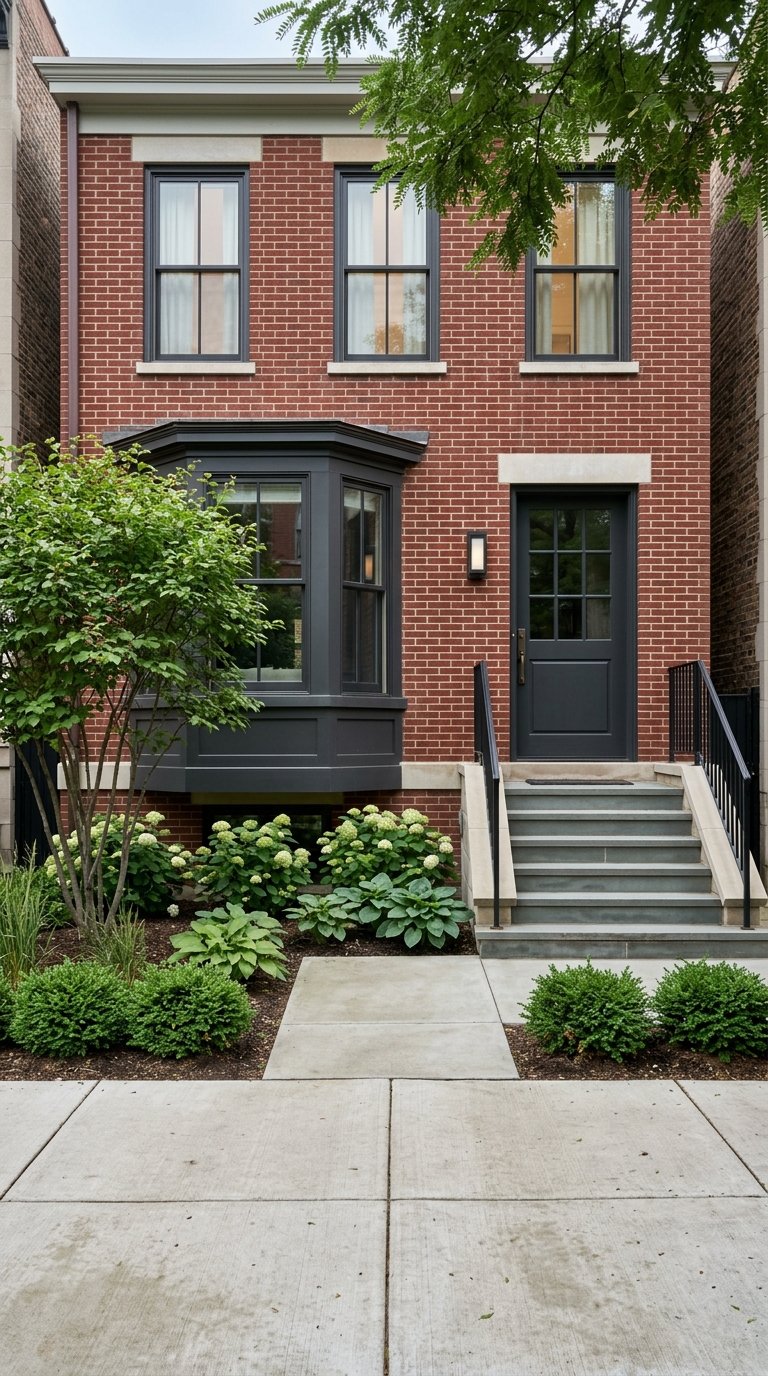
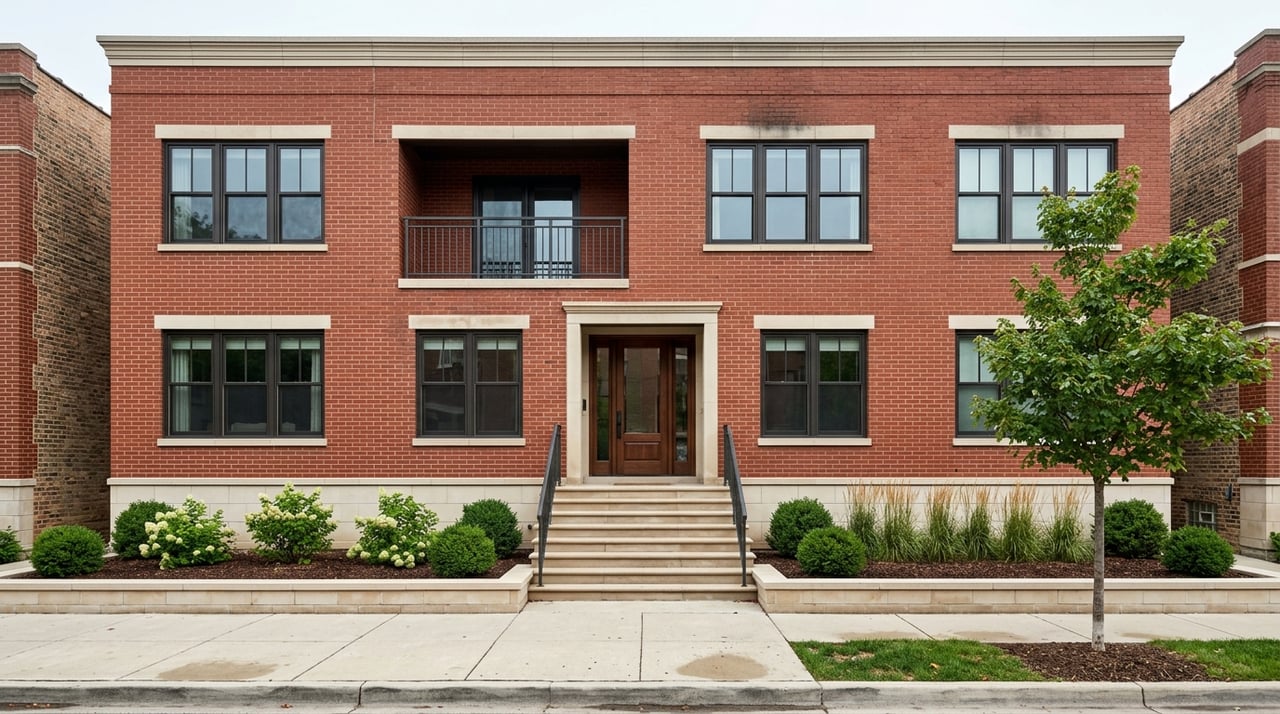
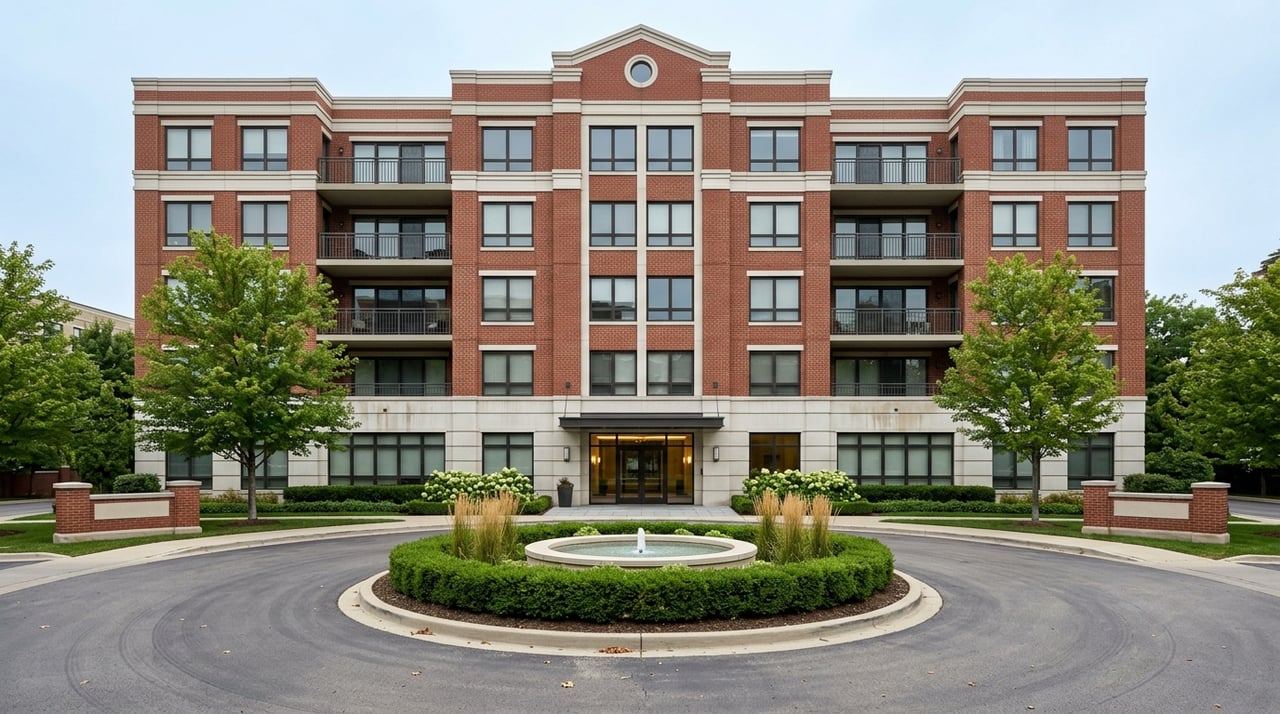
The Gold Coast blends pre-war and mid-century buildings with newer luxury towers. Many homes are 1–2 bedrooms, and buyers often prioritize services, security, and easy access to the lakefront and city amenities. A quick neighborhood overview from VeryApt highlights the mix of building styles and amenity-driven living in this pocket of the Near North Side. You can explore that context in this concise Gold Coast neighborhood guide.
What this means for you: your listing should highlight building services, recent capital improvements, and low-maintenance living. Buyers expect quality photography, clear details on assessments and reserves, and a move-in ready feel.
Know your product: condo vs co-op
Key differences that shape a sale
- Condos transfer by deed, and buyers own real property. Financing typically follows standard mortgage underwriting plus a condo project review.
- Co-ops are corporations. Buyers purchase shares and receive a proprietary lease. The board usually approves or declines buyers, and the process involves a thorough application and, often, an interview. For an overview of board packages and approvals, see this plain-language co-op guide.
These structural differences change your timeline, documentation, and buyer pool. Planning early reduces friction.
Required disclosures and resale documents
Getting your paperwork right protects your deal and keeps closing on track.
Illinois seller property disclosure
Illinois requires a Residential Real Property Disclosure Report for residential sales, including condos and co-ops. Provide it before a buyer is obligated under the contract. Review the statute in the Residential Real Property Disclosure Act.
Condo resale packet (Illinois §22.1)
If you are selling a condo, you must provide purchasers a set of association documents under Illinois Condominium Property Act §22.1. Associations must supply this packet within statutory timelines and may charge a capped fee. The packet includes:
- Declaration, bylaws, and rules
- Statement of unpaid assessments or liens
- Anticipated capital expenditures for the current and next two fiscal years
- Reserve fund status and the latest financial statement
- Pending litigation and insurance coverage
- A statement on unit improvements
Confirm current timing and fee rules directly from the statute: Illinois §22.1 resale documents. Ordering this early is one of the best ways to prevent closing delays.
Federal lead-based paint disclosure
If your building was built before 1978, you must provide the federal lead-based paint disclosure and the EPA pamphlet and allow the buyer the contractually required inspection period. You can review the rule here: Lead-Based Paint Disclosure Rule.
Association finances and building red flags
Buyers and lenders look beyond your unit to the building’s financial health and maintenance plan.
- Reserves and capital plans. Under §22.1, you will disclose reserve status and anticipated capital expenditures. Healthy reserves and a clear plan support buyer confidence. See the statutory disclosure list in Illinois §22.1.
- Special assessments. Past or pending assessments affect buyer affordability and can influence lender project eligibility. Be transparent and plan your pricing and concessions accordingly.
- Façade and exterior programs. Many older high-rises in Chicago must comply with the city’s exterior-wall inspection program. If your building has a critical examination, repair plan, or protective scaffolding, it can signal near-term costs. Learn how the program works in this overview of Chicago’s façade ordinance.
- Litigation, rental rules, and delinquency. Lenders review litigation, owner-occupancy ratios, assessment delinquencies, and budget allocations to reserves. These items can influence financing options. For a sense of lender focus areas, see Freddie Mac’s condo project FAQs.
Financing and project eligibility
Financing availability can expand or limit your buyer pool. Confirm status early and prepare documents in advance.
Condo financing and approvals
- Many buyers use conventional loans or government-backed programs. FHA, VA, and conventional investors have project-level rules.
- If your building is on FHA’s approved project list, more buyers may qualify to purchase. You can search the official database here: FHA approved condominium projects.
- Conventional lenders often conduct condo project reviews that examine budgets, reserves, occupancy, insurance, and repair status. For context, see Freddie Mac’s condo project FAQs.
Co-op financing and board standards
Co-op purchases use share loans specific to the co-op structure. Underwriting looks at both the buyer and the corporation’s financial health. Boards may require post-closing liquidity, minimum down payments, and an in-depth application. Expect additional steps and time, as outlined in this co-op board package guide.
Pricing strategy for Gold Coast condos and co-ops
Price is hyper-local and building-specific in the Gold Coast. For condos, you will often find more recent comparable sales across similar buildings with like-for-like amenities and views. For co-ops, comps may be limited to the same building or a small set of peers due to unique board policies and ownership structures.
When comparing options:
- Adjust for monthly carrying costs. Condo assessments and taxes are separate. Co-op maintenance often includes the building’s tax share. Normalize those differences when reviewing comps.
- Align with buyer expectations. Move-in ready finishes and evidence of good building stewardship support price.
- Watch building-level factors. Reserve strength, planned capital work, and litigation can influence marketability and appraisals.
Marketing and staging that move buyers
Gold Coast buyers shop online first and expect polished presentation. Professional staging and high-quality photography help listings stand out and sell faster. According to the National Association of Realtors, staging is associated with reduced time on market and agents reported value uplifts on many staged listings. Explore the findings here: NAR’s home staging report.
Focus your budget on rooms that matter most:
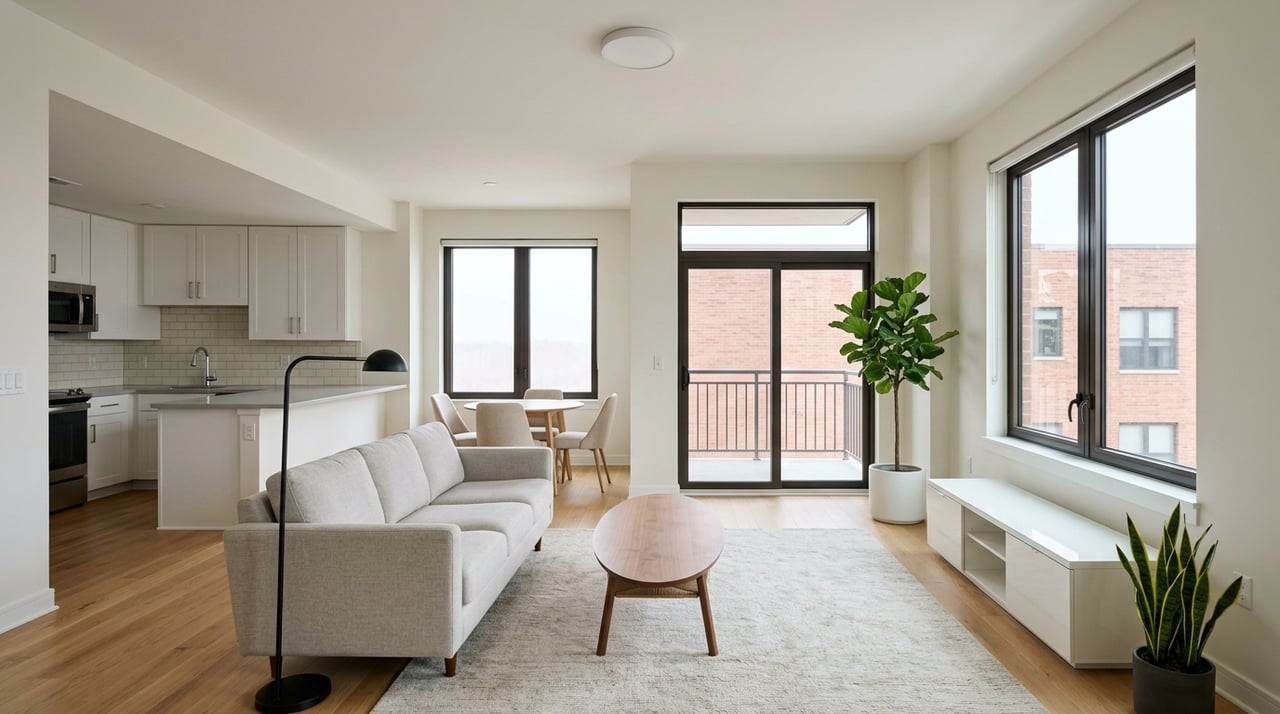
- Living room for scale, light, and views
- Kitchen for functionality and finishes
- Primary bedroom for serenity and storage
Add a measured floor plan and a virtual tour. For lakefront or skyline exposures, schedule a twilight photo set to capture window views while keeping interiors bright and clear.
Timeline: what to expect
Typical condo timeline
- Pre-list: 2–3 weeks to gather disclosures, order the §22.1 packet, schedule staging and photography.
- Under contract: while the buyer’s loan is underwritten, the lender may still conduct a condo project review. Having the §22.1 packet, insurance certificates, budget, and minutes ready often prevents last-minute requests. Review the required materials under Illinois §22.1 and lender focus areas in Freddie Mac’s condo project FAQs.
Typical co-op timeline
- Pre-list: 3–4 weeks to assemble the building’s financials, proprietary lease, share-transfer procedures, and application forms.
- Under contract: 4–8 or more weeks for the buyer to complete the board package, schedule an interview if required, and receive a decision. This depends on the board’s meeting cadence and application standards. A helpful overview of the process is here: co-op board package guide.
Costs to plan for in Chicago
Budgeting early helps avoid surprises at the closing table.
- Transfer taxes. Chicago transactions involve state, Cook County, and City of Chicago components. Who pays what can depend on local custom and contract terms. Review the structure and recent policy context in this Civic Federation overview of Chicago’s real estate transfer tax. Always confirm amounts on your preliminary closing statement.
- Resale packet and application fees. Illinois §22.1 caps certain copying and processing fees for condo resale documents and allows a rush fee. Associations may also charge move-in or move-out fees. Review the fee framework in Illinois §22.1.
- Attorney, title, and recording. Standard seller-side closing costs apply to condos. For co-ops, expect share-transfer and board attorney review fees where applicable.
- Special assessments. If an assessment is announced or likely, set expectations up front and plan list price or credits accordingly.
Pre-list checklist for Gold Coast sellers
Gather these items before you go live:
- Completed Illinois Residential Real Property Disclosure Report and, if built before 1978, the federal lead-based paint disclosure and EPA pamphlet. See the state statute and federal rule.
- Condo sellers: full §22.1 resale packet including declaration/bylaws/rules, budget, latest financials, reserve details, anticipated capital expenditures, insurance, minutes, and any statements of liens or unpaid assessments. Review Illinois §22.1 requirements.
- Co-op sellers: proprietary lease, share certificate transfer instructions, board application forms, recent building financial statements, minutes, and house rules. A brief summary memo of any red flags helps buyers and their lenders. See this board package overview.
- Building condition context: façade inspection history, elevator or mechanical plans, window projects, or other capital work. Learn about the city’s program here: Chicago façade ordinance basics.
- Marketing prep: staging plan, professional photography, floor plan, and virtual tour. For ROI support, reference NAR’s staging report.
Step-by-step plan to list with confidence
- Strategy meeting. Clarify your timing, goals, and whether condo or co-op nuances will shape the plan.
- Document sweep. Order the §22.1 packet early, gather disclosures, and collect building financials and minutes.
- Pricing analysis. Review building-specific comps, adjust for carrying costs, and factor in any upcoming assessments or capital plans.
- Staging and media. Prepare a targeted staging plan and schedule professional photography, floor plan, and virtual tour.
- Go live. Emphasize building services, amenity value, approvals, reserves, and recent improvements in listing copy.
- Contract to close. Stay proactive on lender project reviews, board timelines for co-ops, and any required repair or document updates.
When you are ready, we are here to lead each step with clear communication and a calm, concierge approach rooted in decades of Near North experience.
If you are weighing next steps for your Gold Coast condo or co-op, let’s talk. You will get a tailored pricing plan, a clean document checklist, and Compass-powered marketing that meets buyers where they are. Work with Ballis Group to sell with confidence.
FAQs
What documents do I need to sell a Gold Coast condo?
- You need the Illinois Residential Real Property Disclosure Report and the condo resale packet required by §22.1, including bylaws, budget, reserves, anticipated capital expenditures, insurance, minutes, and any lien or assessment statements. See Illinois §22.1.
How long does it take to get the condo resale packet in Illinois?
- Associations must provide §22.1 documents within statutory timelines and can charge capped fees. Order the packet before listing to avoid delays. Review the timing framework in Illinois §22.1.
Will a special assessment hurt my sale price or financing?
- It can. Buyers and lenders weigh assessments, reserves, and upcoming capital work when deciding on offers and loan eligibility. Disclose early and plan list price or credits accordingly. See lender focus areas in Freddie Mac’s condo project FAQs.
How is a co-op closing timeline different from a condo in Chicago?
- Co-ops add a board package and often an interview, which can add 4–8 or more weeks depending on the building’s schedule. Condos typically close faster but still require a condo project review. For an overview, see this co-op board package guide.
Do I need to worry about Chicago’s façade inspection rules when selling?
- If your building is subject to the exterior-wall program, inspections or repair plans can signal upcoming costs that matter to buyers and lenders. Check your building’s status and history. Learn how the program works here: Chicago façade ordinance basics.
Who pays transfer taxes in a Chicago condo or co-op sale?
- Chicago has state, county, and city components. Responsibility can vary by local custom and contract terms. Confirm on your preliminary settlement statement and review the structure in this Civic Federation overview.
Why does FHA or conventional project approval matter for my condo sale?
- Project eligibility can expand your buyer pool. If your building appears on FHA’s list or meets conventional review standards, more financing paths open for buyers. Search the FHA approved condominium list and prepare documents for lender reviews.