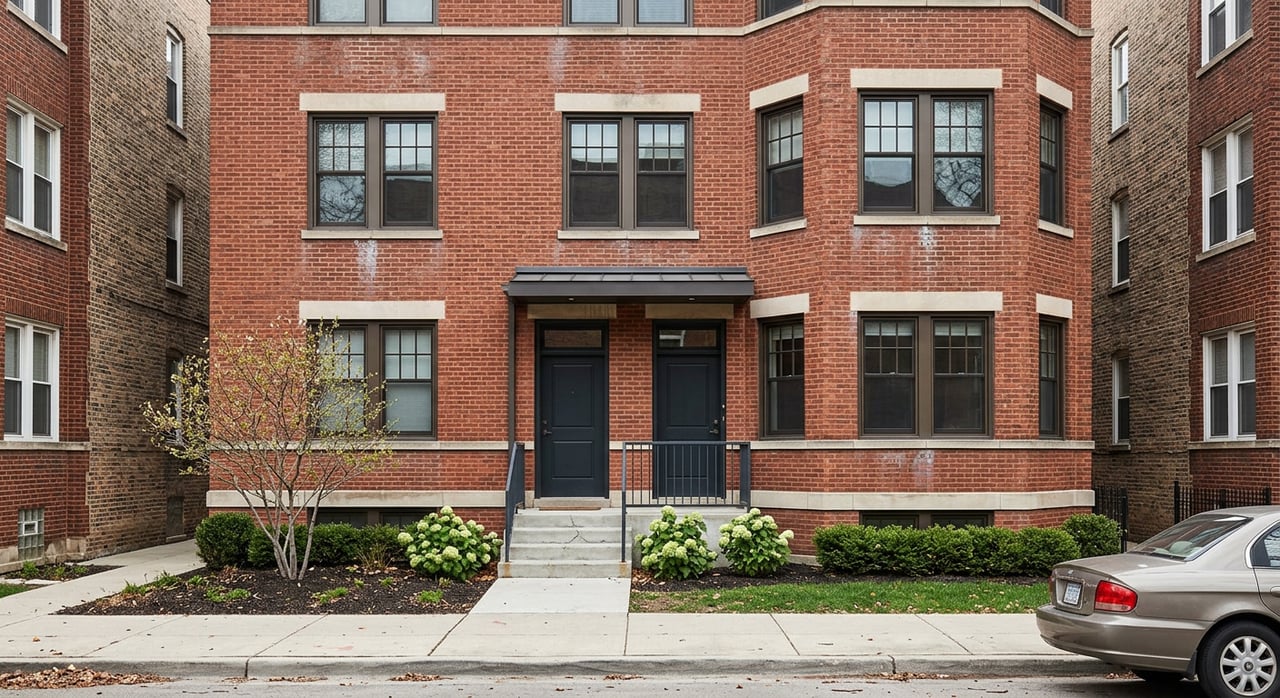
What if your next home helped pay the mortgage? If you are eyeing Logan Square and curious about living in one unit while renting the others, you are not alone. Buying a small multi-unit can offset costs and build long-term wealth, but it works best when you understand financing, rental demand, and Chicago’s zoning rules. In this guide, you will learn the essentials for 2–4 unit purchases in Logan Square, how to run a quick pro forma, and what to check before you write an offer. Let’s dive in.
What house hacking means
House hacking is simple: you buy a 2–4 unit building, live in one unit, and rent the others to help cover expenses. It can reduce your monthly out-of-pocket cost and offer tax and equity benefits over time. Success comes from conservative numbers, good tenant management, and a property that fits your lifestyle.
Why Logan Square fits multi-unit buyers
Building types and price context
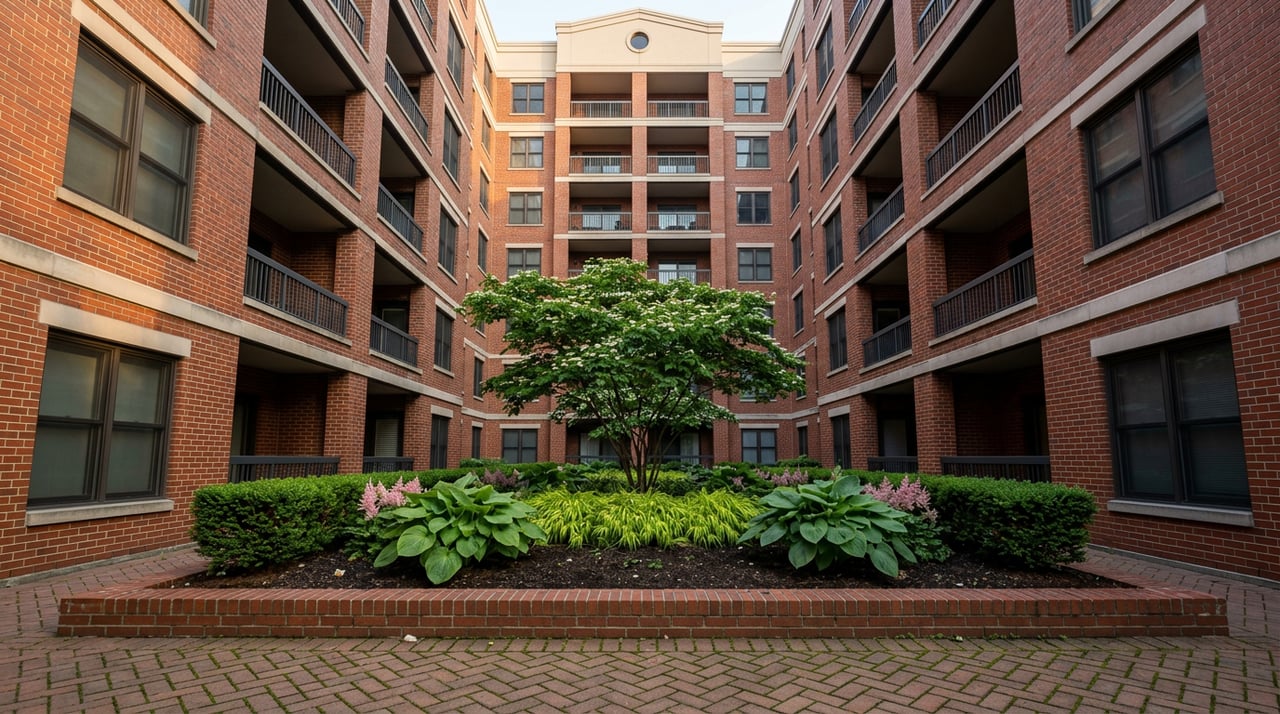
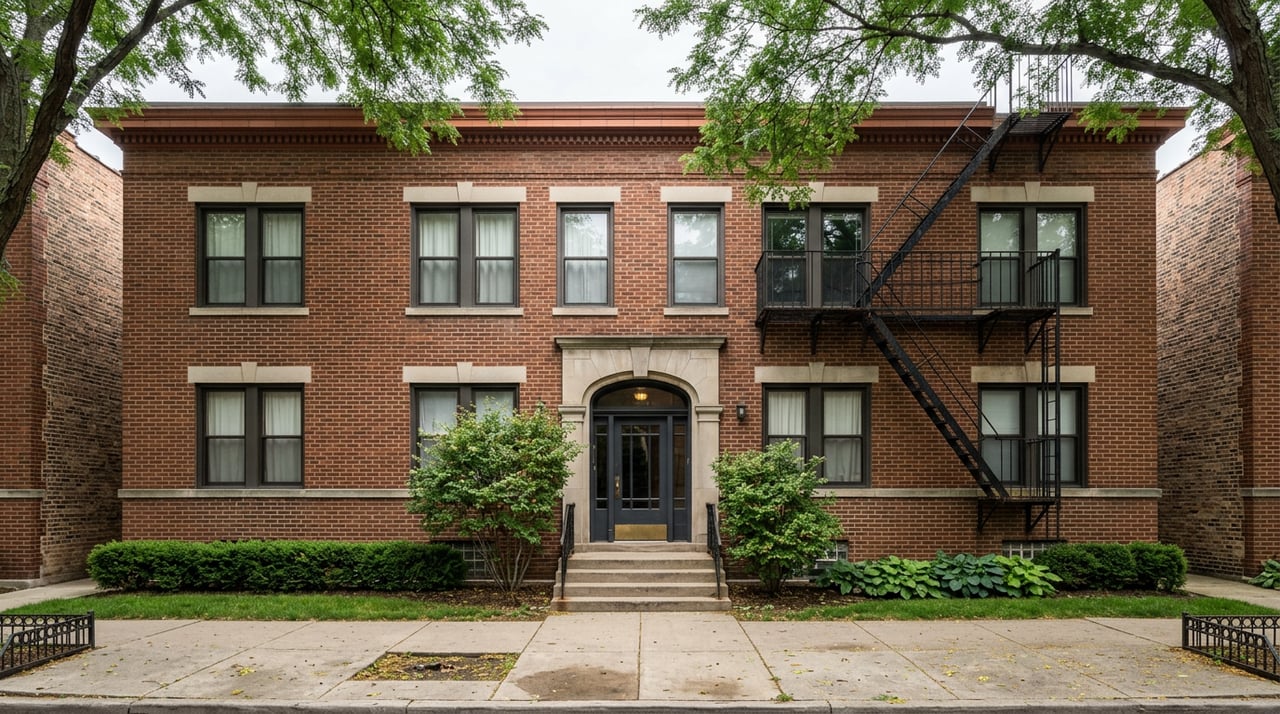
Logan Square has many classic Chicago two-flats, three-flats, and four-flats on standard city lots. These buildings are the core house-hacking targets because they pair owner-occupancy with reliable rental demand. Recent snapshots show single-family and small multi-unit values often landing in the high 400s to low 600s, depending on block and building type. Always lean on current MLS comps for the most accurate pricing.
Logan Square has also seen strong demand and price pressure. Some blocks experience displacement risk, which can affect renovation choices, tenant stability, and future taxes. Review neighborhood context with resources such as the Institute for Housing Studies’ displacement pressure maps when you evaluate location and long-term value.
Rent bands today
Market rents shift by unit size, finish level, and proximity to transit and retail. Neighborhood rent snapshots show 1–2 bedroom units in Logan Square typically in the roughly 1,800 to 3,000 range, with an all-unit average in the low 2,000s. Use live listings and multiple comps to dial in block-level pricing, and start with neighborhood trends from RentCafe’s Logan Square rent data.
Financing basics for 2–4 units
FHA for owner-occupants
FHA allows you to purchase a 2–4 unit property if you plan to occupy one unit as your primary residence. The big draw is lower down payment options, historically as low as 3.5 percent for eligible borrowers. FHA does require documentation for projected rents, reserves in some cases, and occupancy within a set time window. For 3–4 unit properties, FHA’s “self-sufficiency” test can apply when using rental income to qualify, so plan on a careful review of the numbers. See the FHA Single Family Housing Policy Handbook for current rules and documentation in HUD Handbook 4000.1.
Conventional options to compare
Conforming conventional loans through Fannie Mae and Freddie Mac are worth a close look because 2–4 unit conforming loan limits are higher than 1-unit limits. That often keeps you within conforming territory rather than jumbo, which can improve pricing and flexibility. Check the latest county caps on the FHFA conforming loan limits page.
Recent updates have also expanded higher loan-to-value options for certain owner-occupied 2–4 unit purchases, subject to credit and product rules. Lenders can underwrite with lower down payments than older norms if your scenario fits program criteria and the lender’s overlays. Review allowable LTVs and reserves under Freddie Mac’s guide summary for multi-unit loans in Freddie Mac’s LTV ratio requirements.
Stacking down payment assistance
Many Chicago buyers can layer state and local assistance with eligible loans. Illinois Housing Development Authority (IHDA) runs Access DPA programs that participating lenders offer. Cook County has also funded down payment assistance rounds that include forgivable second-lien support. Confirm income limits, first-time buyer definitions, counseling requirements, and whether your lender participates before you assume stackability. Start with IHDA’s program matrices and forms and Cook County’s Down Payment Assistance program updates.
Underwriting realities to plan for
- Rental income treatment: Lenders often count a conservative share of projected rent, commonly 75 percent of market rent or the appraiser’s estimate, when qualifying. FHA and the GSEs outline documentation and calculation details in their guides. Review the rules in HUD’s handbook library.
- Reserves: Many products require several months of PITIA reserves for multi-units. Expect 3–6 months or more, depending on credit, unit count, and loan type. LTV and reserve matrices are summarized in Freddie Mac’s requirements.
- Loan limits: Because multi-unit limits are higher, more purchases qualify as conforming. Verify your cap for Cook County on the FHFA limits page.
Zoning and ADUs in Logan Square
Check parcel eligibility first
Chicago’s Additional Dwelling Unit (ADU) ordinance created pilot areas and defined where and how ADUs are permitted. Parts of Logan Square fall within the Northwest pilot zone, but eligibility depends on your exact parcel and zoning district. Before you assume a basement conversion or a backyard unit is allowed, confirm the property’s location and zoning on the City of Chicago interactive zoning map.
Permits and inspections to expect
Legalizing or adding a unit often requires zoning confirmation, building permits, and trade permits, followed by inspections for occupancy. ADUs and basement units must meet rules for ceiling height, egress, fire separation, and sanitation. Grant programs may require owner occupancy and a minimum building age. For planning guidance and local program references, review NHS Chicago’s ADU planning and construction manual.
Run the numbers: a simple example
Use a conservative, back-of-the-envelope model before you fall in love with a building. Here is a quick framework for a typical two-flat where you live in Unit 1 and rent Unit 2.
Market rent: Suppose Unit 2 supports 2,300 per month based on 3–5 nearby comps. Start with neighborhood context, then validate block-level comps beyond RentCafe’s Logan Square benchmarks.
Gross potential rent (GPR): 2,300 per month, or 27,600 per year.
Vacancy allowance: Use 6 percent for a conservative model. Effective rent = 27,600 × 0.94 = 25,944.
Operating expenses: Taxes, insurance, owner-paid utilities, maintenance, and a self-management cushion. For older small multi-family, a 35–45 percent range of gross rent is a common starting band. Using 40 percent of GPR: 27,600 × 0.40 = 11,040. Net operating income (NOI) ≈ 25,944 − 11,040 = 14,904.
Debt service and owner housing cost: Get real lender quotes for rate, mortgage insurance, and reserves. Compare your annual principal and interest, plus taxes and insurance, to the NOI to see how much the rent offsets your monthly outlay. If NOI covers a meaningful share of PITIA, you are on the right track. If not, adjust price, rents, or expenses and retest.
If you are considering a three- or four-unit, remember that FHA’s self-sufficiency test may apply when using projected rents to qualify. A conservative rent analysis will help you and your lender decide whether FHA or a conventional path is the better fit.
Important: Interest rates and Cook County property taxes can change. Review the county’s assessment mechanics and exemptions using the Civic Federation’s Cook County property tax primer and underwrite with a cushion.
Non-financial fit and responsibilities
- Lifestyle: Living close to tenants means you will handle noise, shared spaces, and quick repairs. Be honest about your time and comfort level.
- Landlord rules: Chicago enforces building, electrical, plumbing, and safety codes. Know your duties around maintenance, notices, and compliance. There is no citywide rent control, but tenant protections and processes apply. Speak with a local landlord-tenant attorney or a professional manager before you list a unit.
- Renovation planning: If you are counting on a basement unit or a backyard home, confirm zoning, ADU eligibility, and permit requirements up front. Design decisions can affect timelines and financing.
Your Logan Square due-diligence checklist
- Confirm unit count: Verify recorded units, any certificate of occupancy if applicable, and get copies of current leases and rent rolls.
- Check zoning and ADU eligibility: Use the City zoning map to confirm the parcel’s zoning district and whether it sits in the ADU pilot area; clarify owner-occupancy, limits, and any set-asides.
- Pull rent comps: Gather 3–5 comps per unit type within a quarter mile and cross-check with neighborhood rent indexes.
- Price deferred maintenance: Inspect roofs, porches, mechanicals, and foundation. For planned basement or coach-house additions, order a permit feasibility check and budget a contingency. See NHS Chicago’s ADU manual for planning context.
- Get financing lined up: Ask lenders about FHA vs. conventional for 2–4 units, how they count rental income, reserves, and whether you can stack IHDA or Cook County assistance. Review FHA guidance in HUD Handbook 4000.1 and confirm current conforming limits at FHFA.
- Estimate taxes and insurance: Pull owner-occupied landlord insurance quotes and model Cook County taxes using recent bills and the Civic Federation primer.
How we can help
Buying a multi-unit in Logan Square blends numbers, neighborhood insight, and hands-on ownership. We help you triangulate rents, navigate 2–4 unit financing, and assess zoning or ADU paths so you can make a confident decision. If you want a clear plan from first tour to close, connect with the Ballis Group for local guidance and a calm, professional process.
FAQs
What is house hacking for a Logan Square two-flat?
- It means you buy a 2–4 unit building, live in one unit, and rent the others so rental income offsets your mortgage and operating costs.
How does FHA handle rental income on multi-units?
- FHA typically counts a conservative share of projected rent and applies a self-sufficiency test for certain 3–4 unit scenarios; see the current rules in HUD’s Handbook 4000.1.
What conventional loan limits apply in Cook County for 2–4 units?
- Multi-unit conforming limits are higher than 1-unit caps, which can keep you in conforming pricing; confirm the latest numbers on the FHFA loan limits page.
Are ADUs allowed everywhere in Logan Square?
- No. ADU eligibility depends on your exact parcel and zoning district; check the City zoning map and plan for permits and inspections.
What are current rent ranges for 1–2 bedroom units in Logan Square?
- Neighborhood snapshots show roughly 1,800 to 3,000 depending on size and finish, with an all-unit average in the low 2,000s; see RentCafe’s local data.
Can I stack IHDA and Cook County down payment aid on a 2–4 unit?
- Often yes, if you and the property meet program rules and your lender participates; review IHDA’s program matrices and Cook County’s program updates and confirm with your lender.