Choosing between Bucktown and Wicker Park can feel like splitting hairs. They sit side by side, share favorite streets, and both offer easy access to the Blue Line and the 606. Still, the details matter when you are deciding where to live and what type of home fits your lifestyle. In this guide, you will learn the key differences in housing, prices, transit, parks, and neighborhood feel so you can make a confident choice. Let’s dive in.
Bucktown vs. Wicker Park at a glance
Bucktown and Wicker Park are adjacent Northwest Side neighborhoods that locals often discuss together. The local business district spans both through a Special Service Area managed by the Wicker Park & Bucktown Chamber of Commerce, which is a good reference for how residents and businesses group the area on the Chamber’s site. While borders are not official city community areas, many neighbors consider North Avenue and parts of the Bloomingdale Trail (the 606) a practical divider, with Wicker Park to the south and Bucktown to the north. That everyday understanding is reflected in recent local reporting on a neighborhood survey.
Both neighborhoods share key commercial corridors along Milwaukee, Division, North, and Damen. The lively “Six Corners” at Milwaukee/North/Damen is a common landmark for dining, shopping, and culture, as noted in travel and neighborhood guides.
Housing you will actually find
Bucktown homes: more townhouses and garages
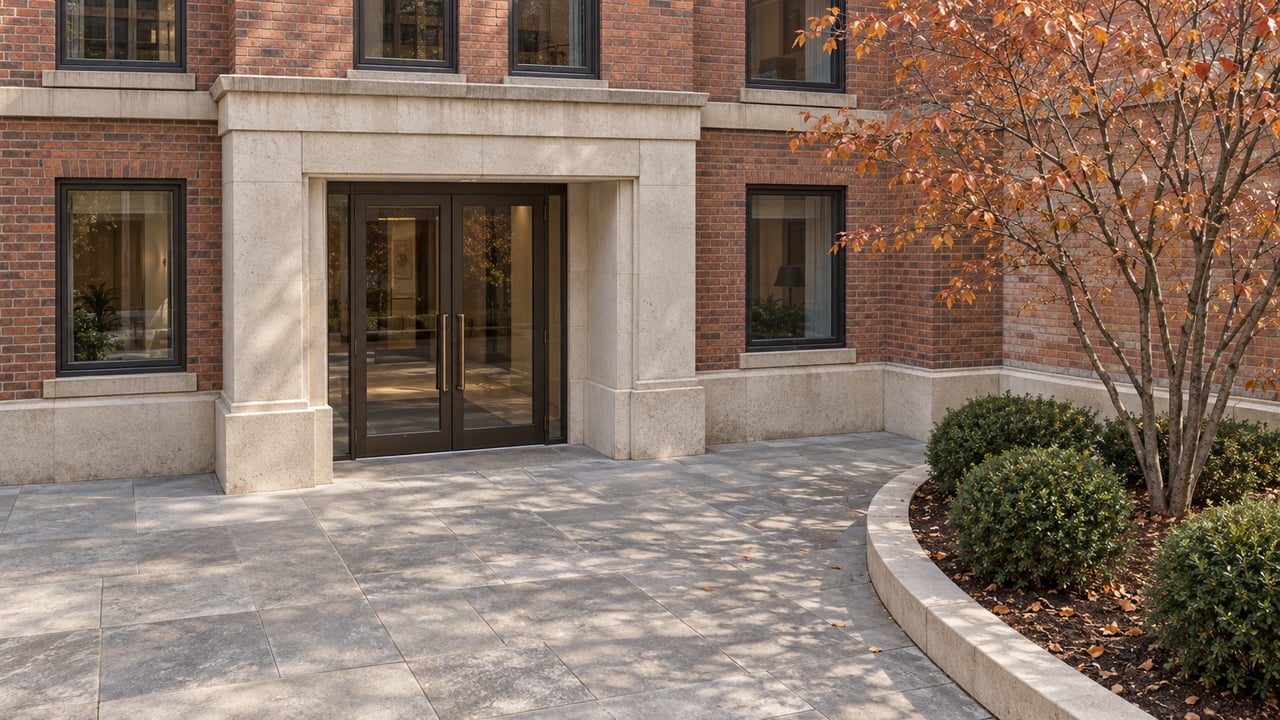
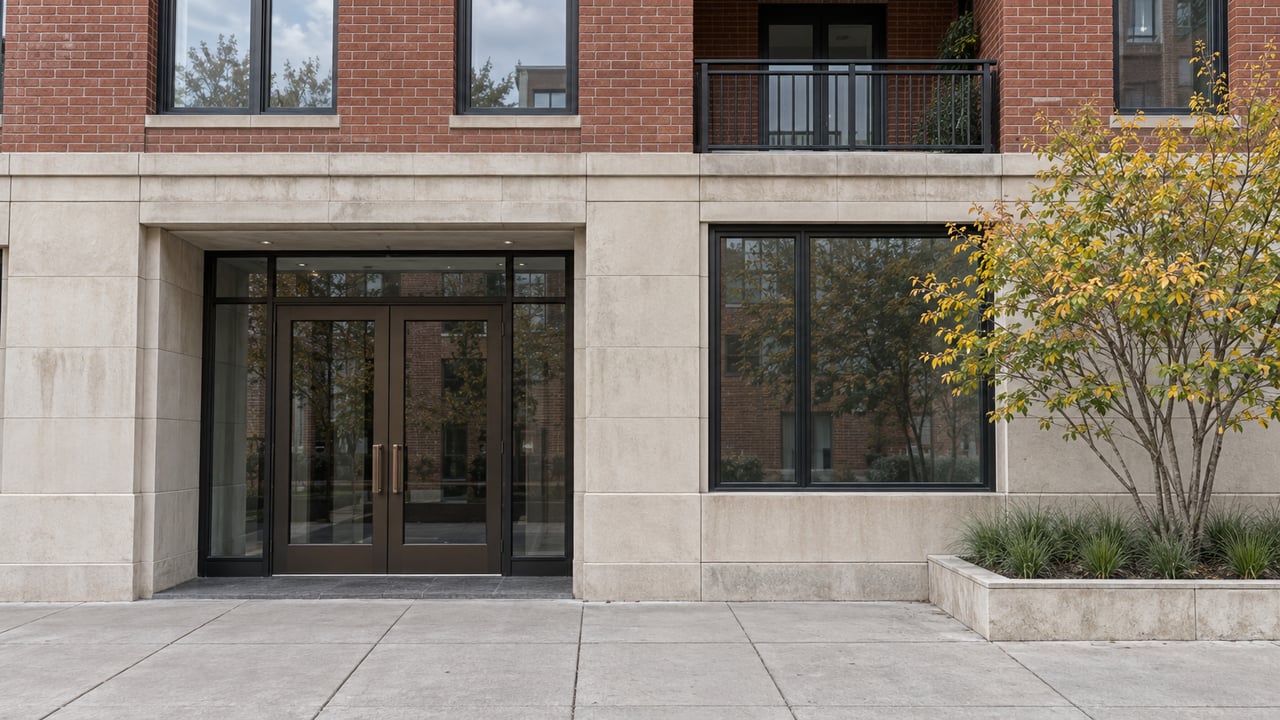
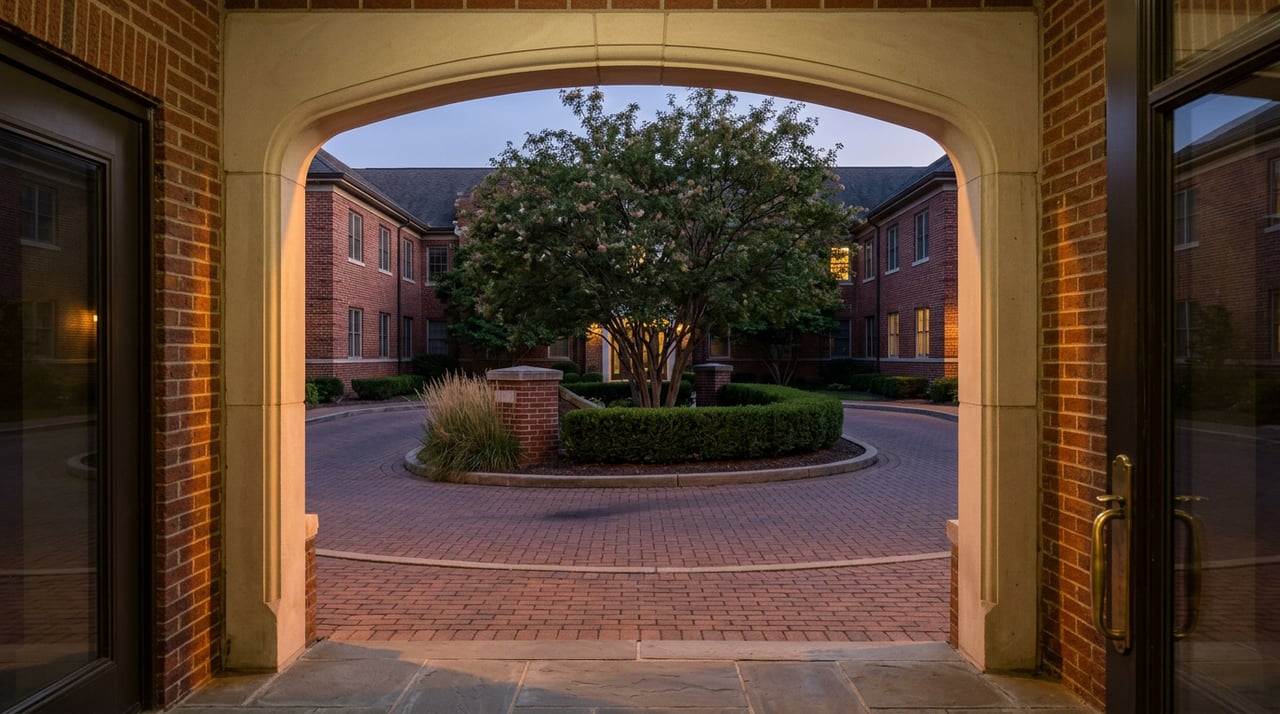
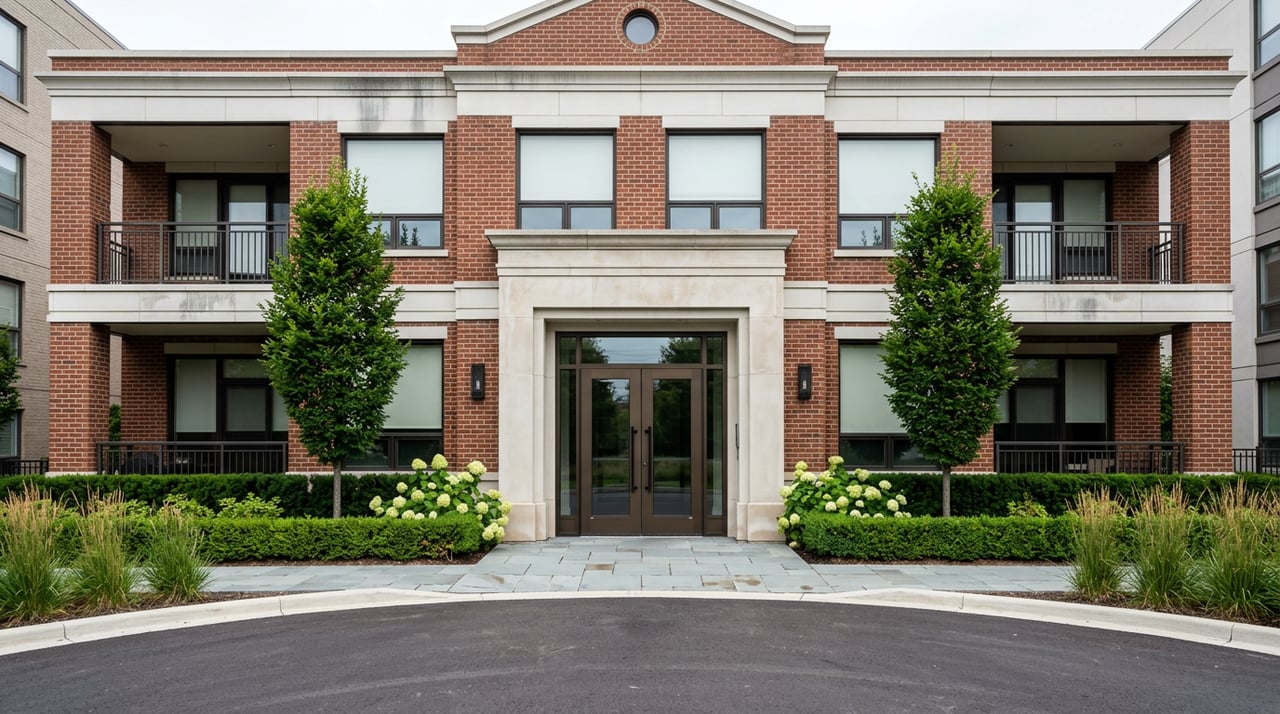
In Bucktown, you will see a mix of renovated brick two- and three-flats, newer townhouses, single-family homes on narrow lots, and boutique condo buildings. Compared with central Wicker Park, Bucktown offers more new-construction townhouses and options that include garage parking. If you want a home that feels more like a detached house or a townhouse with parking and a bit more space, Bucktown’s side streets are a good place to focus.
Wicker Park homes: historic character and lofts
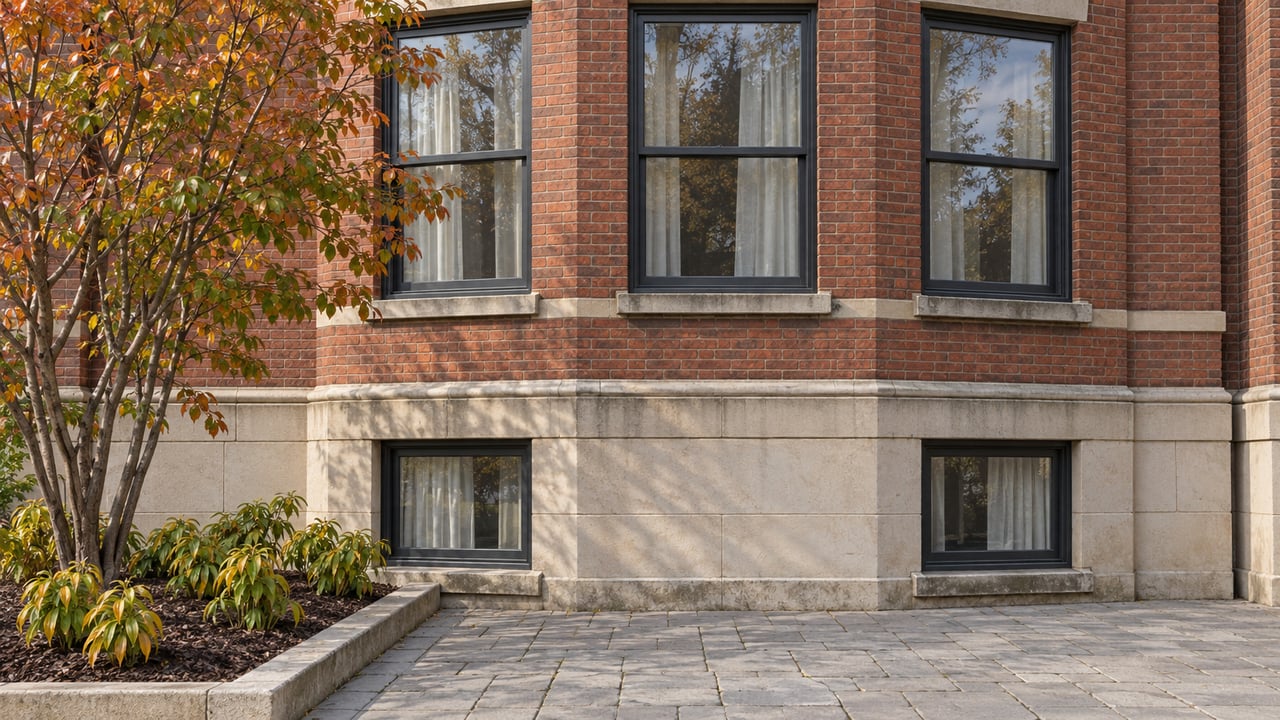
In Wicker Park, housing leans historic and compact near the core. You will find late-19th and early-20th-century rowhouses and greystones, classic two- and three-flats, and a healthy mix of walk-up condos and loft conversions near Damen, Milwaukee, and Division. Parts of Wicker Park sit within a Chicago Landmark district, which helps preserve the streetscape and can guide exterior changes. If design character and protected facades matter to you, that framework is a plus, though it can add steps to renovation planning. For context on how historic-district reviews work in practice, see this local report on a recent approval process.
What the numbers say right now
Always check how a data source defines its metric and the date it reports. Median sale price, median list price, and average home value are not the same thing. As of February 2026, Redfin’s neighborhood snapshots show a median sale price of about $687,500 in Bucktown and about $725,000 in Wicker Park. Other platforms may present median listing prices or estimated values that differ because of timing and methodology. Labeling the metric and date helps you compare apples to apples.
Market temperament can also guide your offer strategy. Recent Redfin snapshots show strong sale-to-list ratios in Bucktown, with a notable share of homes selling above list price. Wicker Park has posted stronger recent year-over-year median gains in the latest month reported. Use these as short-term signals for how competitive you may need to be, and refresh the numbers the week you tour.
Transit, walkability, and green space
The CTA Blue Line runs along the shared commercial spine, with the Damen station offering a direct ride to the Loop and to O’Hare. The station and corridor upgrades are part of CTA’s Your New Blue program, which many commuters value for consistent access.
Walkability is a strength in both neighborhoods. Walk Score lists Wicker Park at about 96 for walkability, 76 for transit, and 96 for biking. Bucktown is close behind with about 93 for walkability, 73 for transit, and 94 for biking. You can view the current scores for Wicker Park here and for Bucktown here. The small differences reflect Wicker Park’s slightly denser, commercial core.
Green space ties both areas together. The elevated Bloomingdale Trail, known as the 606, links the neighborhoods and provides a daily path for walking, running, and biking. Wicker Park’s namesake park is a compact, active urban space used for events and recreation. In Bucktown, Holstein Park offers fields, a pool, and a fieldhouse that many residents use for programs and activities; explore facilities on the Chicago Park District page.
Atmosphere and daily feel
If you crave an energetic scene at your doorstep, Wicker Park concentrates nightlife, restaurants, and boutiques along Division, Milwaukee, and near Damen. Expect more evening foot traffic and a buzzier pace, as reflected in well-known travel write-ups.
If you prefer a slightly calmer residential feel without giving up walkability, Bucktown’s side streets deliver. Damen and Armitage host shops and cafes, but many nearby blocks feel more residential in tone. You can still walk to daily needs while enjoying a quieter streetscape.
Decision checklist: match your priorities
Use this quick checklist to focus your search. Pick your top two or three must-haves and map them to the neighborhood traits below.
Commute and transit access
- Need fast Blue Line access to the Loop or O’Hare? Both work well. Prioritize proximity to the Damen station or to the Division/North corridors on foot. Learn about current upgrades through CTA’s Your New Blue program.
Property type and maintenance level
- Want a townhouse or single-family feel, often with garage parking? Lean Bucktown, especially on side streets with newer infill.
- Want a condo or loft with shorter walks to nightlife and dining? Lean Wicker Park near Milwaukee, Damen, and Division.
Budget and pricing signals
- Use current medians to frame expectations. As of Feb 2026, Redfin’s median sale prices were about $687K in Bucktown and $725K in Wicker Park. Always confirm the metric (sale vs. list vs. estimated value) and attach the date.
Parks and recreation
- Value daily access to a multi-use trail? Both shine along the 606.
- Want a larger fieldhouse, pool, and athletic facilities nearby? Explore homes near Bucktown’s Holstein Park.
Resale and investment lens
- Both areas draw strong renter interest. Wicker Park’s central blocks see more turnover in smaller condos and lofts, while Bucktown has a steady supply of two-flats and townhouses that appeal to value-add and long-term holds. Review current rent comps and recent sales before setting targets.
Who fits where? Four real-world scenarios
A. You want restaurants, music, and low maintenance
You love walking to dinner, live music, and coffee shops, and you want an easy Blue Line ride. A condo or loft in the Wicker Park core near Division, Milwaukee, or Damen is a strong match. Expect options that range from compact one-bed condos to larger lofts and 2–3 bedroom residences.
B. You want space, a quieter street, and parking
You prefer more square footage, a calmer block, and off-street parking. Bucktown’s newer townhouses and renovated two- and three-flats often check those boxes. Prices vary by size and finish, and larger single-family and townhouse homes frequently reach into the high six-figure to seven-figure range.
C. You are evaluating multi-unit income
You are searching for two- or three-flats that rent reliably to nearby professionals. Both neighborhoods offer investment product; analyze recent closed comps, rents, and the specific street’s renter demand. Bucktown’s multi-unit stock and Wicker Park’s central draw both support strong leasing when priced well.
D. You value historic character and protected streetscapes
You want preserved facades, landmarked blocks, and a consistent historic feel. Wicker Park includes a landmark district that guides visible exterior work and supports that character. Review the local process before planning visible renovations, as highlighted in recent reporting on approvals.
How to make the call
Start by writing down your top three priorities, such as home type, transit time, and desired street feel. Walk both areas at different times of day, including a weekday rush and a weekend evening. Tour a mix of homes so you can compare floor plans, stairs, and parking access. Keep recent medians in mind as guideposts, but evaluate each home’s value based on size, condition, and exact location.
If you are balancing tradeoffs, lean on an offer strategy that matches the market’s pace. In weeks with higher sale-to-list ratios, strong pre-approval, clean terms, and flexible timing can help. When the pace cools, you may have room to negotiate price or request credits for deferred maintenance.
At the end of the day, both Bucktown and Wicker Park deliver urban convenience, character, and access to the 606. The best fit comes from aligning your property needs and daily rhythms with the block that feels like home.
Ready to explore on foot and compare real homes side by side? Connect with Ballis Group for a tailored tour plan, on-the-ground pricing advice, and boutique, high-touch guidance backed by decades of North Side expertise.
FAQs
How are Bucktown and Wicker Park boundaries defined?
- Local usage often places Wicker Park south of North Avenue and Bucktown to the north, with the 606 as a practical divider; see the Chamber’s SSA overview and recent survey coverage.
What home types are most common in each neighborhood?
- Bucktown features newer townhouses, renovated two- and three-flats, and single-family homes with more garage options, while Wicker Park offers historic rowhouses, greystones, walk-up condos, and lofts near the core.
How do current prices compare between the two areas?
- As of Feb 2026, Redfin’s median sale price was about $687K in Bucktown and about $725K in Wicker Park; always label the metric and date when comparing.
Is the CTA Blue Line easy to access from both?
- Yes; the Damen station sits along the shared commercial spine and provides direct service downtown and to O’Hare, with upgrades under CTA’s Your New Blue program.
How walkable are Bucktown and Wicker Park?
- Both are highly walkable and bikeable; Walk Score lists Wicker Park at about 96 for walkability and Bucktown at about 93, reflecting Wicker Park’s slightly denser commercial core.
Where are the main parks and green spaces nearby?
- The 606 connects both neighborhoods for biking and running; Wicker Park’s namesake park is a compact, active space, and Bucktown’s Holstein Park offers fields, a pool, and a fieldhouse for programs.