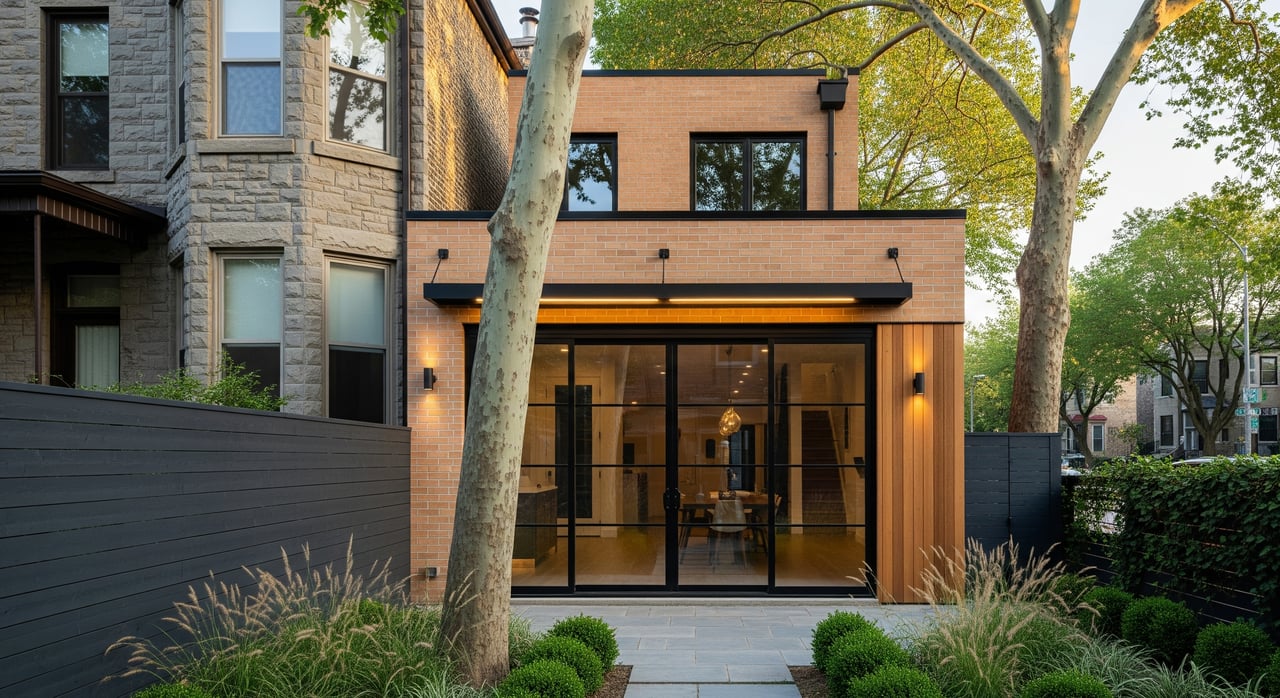
Thinking about turning your Logan Square basement into a rental or building a unit above your garage? You are not alone. Many owners want flexible space for family, extra income, or a future resale boost. This guide gives you a clear, practical overview of ADUs in Logan Square so you can plan with confidence. Let’s dive in.
ADU basics in Logan Square
An accessory dwelling unit is a smaller, independent home on the same lot as your main residence. In Logan Square, you will usually see three forms: a coach house over a garage, a basement or lower-level apartment, or an internal conversion within the main structure. Your property’s zoning, lot setup, and building condition will shape what is possible.
Logan Square’s mix of two- and three-flats, greystones, and alley-accessed lots often lends itself to ADUs. The neighborhood’s popularity and transit access support steady long-term rental interest. That makes an ADU appealing for both multigenerational living and income potential, as long as you follow city rules.
ADU types compared
Coach house or garage conversion
A coach house is a detached unit in the rear yard, often above an existing or new garage. It offers privacy and strong rental appeal. Expect rules around height, rear and side setbacks, lot coverage, and fire separation. If the unit faces an alley, access and emergency vehicle clearances matter. Plan for possible new or upgraded utilities, including sewer, water, and electric service.
Basement or lower-level ADU
A basement ADU converts existing lower-level space into a separate apartment. It tends to cost less than a new detached build and keeps the main footprint intact. Key challenges include egress windows or doors, minimum ceiling height, moisture control, radon mitigation, natural light and ventilation, and HVAC capacity. Safety upgrades, including smoke and carbon monoxide alarms, are required.
Internal conversion within the main home
An internal ADU creates a self-contained living space within your house, such as an attic or a defined wing. You may need a separate entrance, reworked circulation, and fire separation between units. Requirements for egress, utilities, and ceiling heights typically mirror basement or lower-level conversions.
Zoning and eligibility basics
Your ability to add an ADU depends on your property’s zoning district and any overlays that apply. Always check the City of Chicago’s official zoning resources and the Chicago Zoning Ordinance to confirm whether your parcel allows an ADU and what standards apply. Some projects are permitted by right, while others may require zoning relief or a variance.
Other common zoning factors include lot size, floor area ratio, lot coverage, and side and rear-yard setbacks. Logan Square’s many alley-fed lots can support coach houses, but alley width and access need to meet city standards and fire department needs. If your property sits in a landmark or conservation area, exterior changes may require review by the Chicago Landmarks Commission.
Some cities set owner-occupancy rules or limit the number of units per lot. Verify any Chicago-specific occupancy and unit limits that apply to your parcel. Parking requirements can vary, and transit proximity may change what is required. If you plan to offer short-term rentals, know that separate licensing and registration rules apply and many places restrict this use of accessory units.
Permits and approvals: how it works
Pre-application and feasibility
- Confirm your parcel’s zoning and any overlays.
- Check landmark or historic-district status.
- Assess sewer lateral and utility capacity, especially for new kitchens and baths.
- If customary in your area, consult your local alderman’s office for neighborhood guidance.
Design and documentation
- Hire an architect or designer experienced with Chicago code to prepare site plans, floor plans, elevations, and structural and MEP drawings.
- Address egress windows, stairs, fire separation, HVAC, waterproofing, and energy details in the plans.
Zoning review
- Submit for a zoning compliance determination.
- If you need relief for setbacks, lot coverage, or use, apply for a variance.
Building permit and inspections
- File a building permit with the Department of Buildings for plan review.
- Respond to plan-check comments and resubmit as needed.
- After permits are issued, hire licensed contractors and schedule inspections for foundations, framing, plumbing, electrical, HVAC, and finals.
- Obtain the final approval or Certificate of Occupancy for the ADU.
Typical timeline
From feasibility to move-in, plan for several months to a year or more. Zoning relief, plan-review times, scope of work, and weather can extend schedules. Build in time for design revisions and material lead times.
Code and safety must-haves
ADUs must meet Chicago building and energy-code standards. The details below often drive feasibility and cost:
- Egress and life safety: bedrooms need compliant egress, and units need proper escape routes. Provide smoke and carbon monoxide alarms.
- Fire separation: add fire-rated walls, ceilings, and doors between units where required.
- Ceiling heights: confirm minimum clear heights, a common constraint for basements.
- Light and ventilation: habitable rooms need sufficient window area and airflow.
- Structure: coach houses or above-garage units may require new foundations, reinforcements, or framing.
- Plumbing and HVAC: new kitchens and baths need drains, vents, and supply lines, plus right-sized HVAC. Basements often need waterproofing and sump systems.
- Utilities and metering: verify separate metering rules for gas, electric, and water, and coordinate with utility providers.
- Energy compliance: insulation, air sealing, and mechanical ventilation must meet the energy code. Confirm if any accessibility thresholds apply.
Costs, financing, taxes, and insurance
Project costs vary with scope, site conditions, and whether your project is detached or a conversion. Basement and internal ADUs usually cost less than a new coach house, though waterproofing, egress, and structural work can add up. Budget for design fees, permit fees, utility upgrades, and contingencies.
Financing options can include cash, a refinance, or a renovation loan. Lenders may consider projected ADU income, but policies differ. Inform your lender before starting major work. Rental income is taxable, and improvements can change your property’s assessed value and taxes, so speak with a tax professional. Standard homeowners policies may not cover a tenant in a separate unit, so plan for landlord coverage or policy endorsements.
Logan Square specifics to watch
Narrow lots, tight side yards, and alley conditions can shape coach-house feasibility. Historic or conservation overlays may require design review for any exterior changes visible from the public way. Many homes rely on older sewer laterals and combined sewers, so a capacity check and potential upgrades are common. Neighborhood interest in growth and density can lead to community conversations, so engaging early and sharing accurate plans often helps.
Owner checklist
- Verify parcel zoning, overlays, and any historic status.
- Speak with a licensed architect about design, code, and scope.
- Confirm utility capacity and meter strategy with providers.
- Consult the local alderman’s office if neighborhood review is customary.
- Define use goals: rental, multigenerational, guest space, or home office.
- Build a budget, including permits, design, construction, and contingency.
- Talk with your lender and insurance carrier about ADU implications.
- Plan for property tax and record-keeping for rental income.
- Hire licensed contractors and schedule inspections early.
Use cases, pros and cons
Common use cases:
- Long-term rental income
- Multigenerational living for parents, adult children, or caregivers
- Guest suite or live-work setup
Pros:
- Added income or flexible housing for family
- Potential long-term value if built to code and well designed
- Privacy and independence for occupants
Cons:
- Upfront construction and permitting costs
- Ongoing management and maintenance for rentals
- Lender and insurance adjustments, plus possible tax increases
- Community and compliance risks if not properly permitted
When to bring in pros
You will save time by speaking with the right specialists early:
- Licensed architect or designer familiar with Chicago code and historic districts
- Structural engineer for detached or above-garage builds
- Licensed general contractor and MEP trades
- Permit expediter if you expect zoning relief or complex reviews
- City of Chicago Department of Buildings and Zoning staff for plan review and parcel verification
- Chicago Landmarks Commission if your property has preservation status
- Local alderman’s office for neighborhood practices
- Cook County Assessor for assessment impacts
Let’s plan your next step
If an ADU could support your goals, start with a zoning check and a quick feasibility call with an architect. From there, you can shape a budget, timeline, and design that fits your lot and your plans. When you are ready for local market insight, rental potential, and resale considerations, we are here to help. Connect with Ballis Group for neighborhood-smart guidance and a clear path forward.
FAQs
Are ADUs allowed on Logan Square properties?
- It depends on your parcel’s zoning, overlays, lot conditions, and any historic status. Confirm with Chicago’s zoning resources and the Department of Buildings.
Do I need extra parking for a Logan Square ADU?
- Parking rules vary by zoning and location. Transit proximity and alley access can change requirements, so verify what applies to your parcel before you design.
Which is cheaper in Chicago, a coach house or a basement ADU?
- Basement and internal conversions are usually less expensive than detached coach houses, but code, egress, waterproofing, and structure can shift costs.
Can I use a Logan Square ADU for short-term rentals?
- Short-term rentals are regulated separately. Check Chicago’s licensing, registration, and neighborhood-specific rules before planning this use.
How long does it take to permit and build an ADU?
- Plan for several months to a year or more, depending on zoning relief, plan-review timelines, and construction scope.
Will an ADU affect my taxes and insurance in Cook County?
- Rental income is taxable and improvements can affect assessed value. You may need landlord coverage or policy endorsements, so speak with your insurer and a tax professional.