If you have fallen for those stately, stone-front homes in Chicago, you are likely asking what a greystone is and whether it fits your plans. If you are exploring Logan Square, you see these façades on many blocks and want to know how they are built, how to evaluate condition, and what ownership involves. In this guide, you will learn what defines a Chicago greystone, common layouts, maintenance priorities, and how condition and upgrades influence value in Logan Square. Let’s dive in.
What a Chicago greystone is
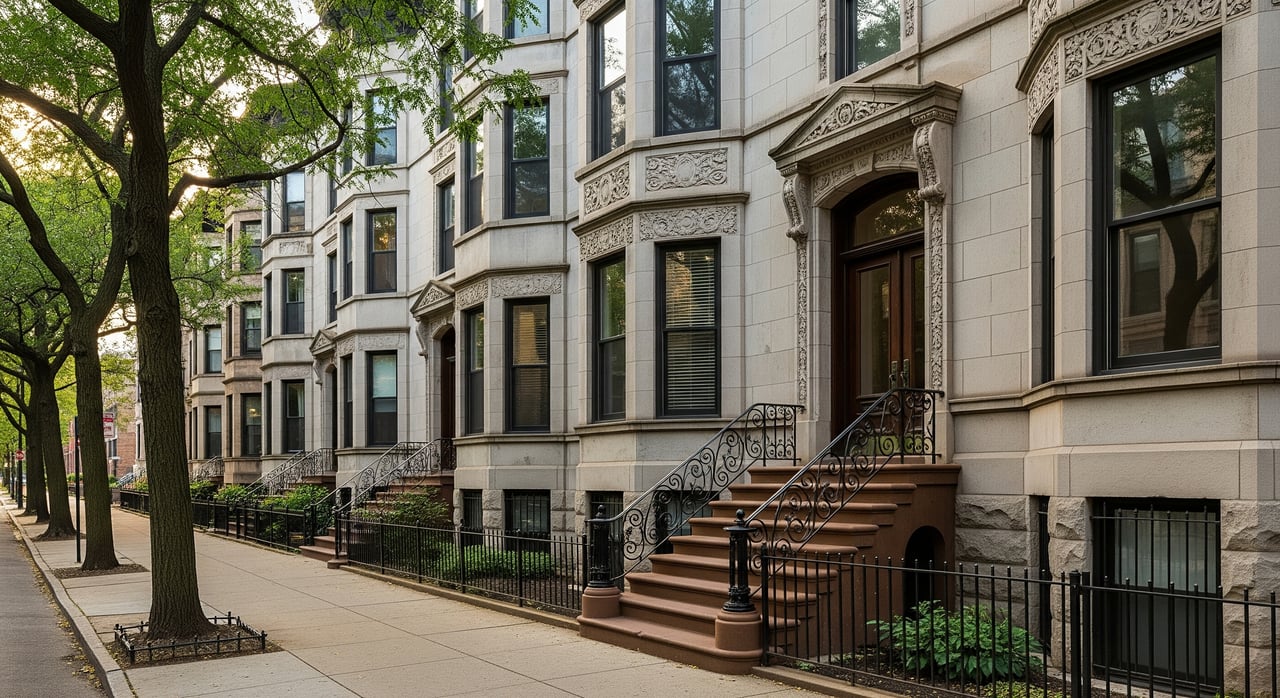
A Chicago greystone is a residential building with a light-gray limestone façade. The stone is often Indiana limestone or similar regional material, giving the structure its signature gray look. Greystones are known for carved or rusticated stonework, projecting and recessed bays, and formal raised entrances.
Common façade traits you will recognize:
- Light-gray limestone cladding
- Bay windows and recessed bays across one or more stories
- A raised basement or a high first-floor stoop
- Decorative lintels, cornices, belt courses, and carved stone details
- Single-family or multi-unit formats, often 2-flats and 3-flats
Why Logan Square has so many
Most greystones were built in the late 19th and early 20th centuries, when masonry construction scaled up across Chicago. As Logan Square grew around the turn of the 20th century, its boulevards and streetcar access encouraged dense, durable housing. Builders favored two- and three-flat buildings and rowhouse blocks with decorative stone façades. Many of the greystones you see in Logan Square date to this period and contribute to the neighborhood’s historic streetscapes.
Common building types you will see
Two-flats
A two-flat usually has two primary units stacked vertically, often one per floor. Some include a basement unit or a garden-level space. Entrances can be shared or separate depending on the original design and later alterations.
Three-flats
A three-flat typically has three stacked units, one per story, with similar footprints and layouts. This is a staple of pre-war Chicago multifamily housing.
Conversions and variations
Some greystones began life as single-family homes and were later subdivided into multiple units. Others include a coach-house apartment in the rear or a basement apartment. Exterior rear porches and stairways are common and can affect egress and code compliance.
Inside features and common constraints
Step into a well-preserved greystone and you may find high ceilings, plaster walls, original millwork, and elegant staircases. Narrow lot widths and deep floor plans can limit natural light in the middle of units. Older mechanical systems are often replaced during renovations. Sound transfer between units may not match modern standards, depending on the original assemblies and later upgrades.
What to check on showings
When you tour a greystone, pay close attention to:
- Entrance configuration, shared or private, and overall circulation
- Basement access, location of mechanicals, and any signs of moisture
- Exterior bays, cornices, and stone details for cracking or movement
- Roof condition, drainage, and flashing at roof-to-wall connections
- Stair width, fire egress paths, and door swing clearances for multi-unit buildings
Masonry and façade basics
Greystones are durable masonry buildings, but water control and correct repairs are essential. Typical façade issues include:
- Mortar deterioration that allows water penetration
- Stone spalling or surface erosion from freeze-thaw cycles and trapped moisture
- Failed flashing at windows, bays, cornices, and roof intersections
- Loose or failed stone anchors and corbels at projecting elements
- Past repairs that used hard cement mortars or abrasive cleaning and caused damage
Best-practice repairs
- Repointing with a compatible lime-based mortar matched to the original
- Replacement-in-kind of severely deteriorated stone and professional anchoring
- Correcting flashing and roof drainage to remove water sources
- Gentle cleaning methods rather than abrasive sandblasting
Using contractors who know historic masonry and Chicago permitting is recommended. If the property is within a landmark district or is an individual landmark, exterior work often requires review and approval by the City of Chicago’s preservation authorities.
Roofs, cornices, and parapets
Cornices and parapet walls often need close inspection. Failing cornices can create safety hazards, and parapet leaks are a common cause of interior water damage. Bay windows include ledges and flashing details that can deteriorate and channel water into interior walls or stairwells.
Foundations and basements
Older foundations may be stone, brick, or early concrete. Poor drainage and hydrostatic pressure can push water into basements. Exterior grading, gutters, downspouts, and alley drainage matter greatly. Waterproofing and controlled dewatering are common solutions when moisture is present.
Windows and energy updates
Many greystones still have original wood windows. Repair and restoration can preserve character and provide good performance when paired with storm windows or interior storm glazing. Full replacement is sometimes permitted, but it may affect historic character and can require review in landmark districts.
Systems and code considerations
Most vintage greystones benefit from electrical panel upgrades, modern HVAC, and new plumbing stacks and risers. Multi-unit buildings need appropriate smoke detection and fire-safety systems. Conversions or reconfigurations can trigger permits and requirements for egress, insulation, fire separation, and accessibility. Always confirm local code implications before planning major changes.
Value and desirability in Logan Square
Greystones appeal to buyers who appreciate architectural character, solid masonry, and good ceiling height. In Logan Square, intact greystone blocks along historic streets and boulevards can command strong interest. Condition is a major driver of value. Well-maintained façades, repaired masonry, updated systems, and code-compliant layouts tend to increase marketability and price. Visible deferred maintenance such as deteriorated stone, sagging cornices, chronic roof leaks, or basement mold can reduce buyer interest and lead to concessions. Historic designation can enhance appeal for buyers seeking character, but it can limit exterior alterations and add time to projects requiring review.
Renovation priorities that pay off
When you are considering work on a greystone, prioritize projects that protect the structure and reduce future risk.
- Fix water infiltration at the roof, flashing, and gutters first
- Repoint and stabilize the façade to preserve the original stone
- Upgrade plumbing, electrical, and HVAC to modern standards
- Modernize kitchens and baths while retaining desirable historic features
- Confirm unit layouts are legal and code compliant to support resale
Buyer due diligence checklist
If you are buying a greystone in Logan Square, take a thorough approach:
- Hire an inspector experienced with historic masonry and Chicago multi-unit buildings
- Review City of Chicago permit records and Cook County property records for past work
- Check landmark or conservation district status that could affect exterior changes
- Request documentation for recent masonry, roof, waterproofing, or structural work
- For 2- and 3-flats, review rental history and compliance with multi-unit housing codes
Financing and insurance notes
Lenders and insurers may require repairs if there are structural or water issues. Heavy deferred maintenance can affect loan approval or insurance terms. If you plan a substantial renovation, ask lenders about rehab products and whether construction permits or scope-of-work conditions are needed.
Permits, professionals, and reviews
For structural, roofing, window replacement, or major mechanical projects, permits are typically required. In landmark districts, exterior changes often need approval from the City of Chicago’s preservation authorities. Work with licensed contractors who have historic masonry experience and know Chicago’s permitting process.
Next steps in Logan Square
A greystone offers enduring construction and timeless character, but success starts with water control, sound masonry, and code-aware planning. As you explore Logan Square, focus on façade condition, mechanical updates, and documentation so you can move forward with confidence. If you would like a local, high-touch approach from a team that understands classic Chicago housing, we are here to help. Connect with Deborah Ballis Hirt to discuss your goals.
FAQs
What defines a Chicago greystone in Logan Square?
- A greystone is a residence with a light-gray limestone façade, often with bays, carved or rusticated details, and a raised entrance, commonly built around the turn of the 20th century.
How do two-flats and three-flats differ in greystones?
- A two-flat has two primary units stacked vertically, while a three-flat has three stacked units. Entrances and layouts vary, and some buildings include basement or coach-house apartments.
What maintenance issues are most common on greystones?
- Typical issues include deteriorated mortar, stone spalling, failed flashing at bays and cornices, roof-to-wall leaks, and occasional problems from past improper repairs.
Do window replacements in landmark districts need approval?
- In Chicago landmark districts, exterior work like window replacement often requires review and approval. Always confirm the property’s status and permitting requirements before starting.
How does condition affect a greystone’s resale value in Logan Square?
- Well-maintained façades, corrected water issues, and updated systems tend to improve marketability and price. Deferred maintenance can lower buyer interest and lead to price concessions.
What inspections should buyers prioritize for a Logan Square greystone?
- Hire an inspector with historic masonry experience and review permits, landmark status, and any reports for masonry, roof, and waterproofing work. Verify egress and code compliance for multi-unit layouts.