Thinking about selling your Lincoln Park home but unsure where to start? You may be weighing timing, repairs, and whether buyers will value your unique features. We understand the decision can feel big, especially if you have owned your place for years. In this guide, you will learn how Lincoln Park buyers think, when to list, what to fix or stage, how pricing works here, and what paperwork you will need for a smooth closing. Let’s dive in.
Why Lincoln Park buyers act
Lincoln Park is a high-demand North Side neighborhood with consistent appeal. Buyers are drawn to proximity to Lake Michigan, North Avenue Beach, Lincoln Park, and the area’s shopping and dining along Clark, Armitage, and Fullerton. Walkability and transit to the Loop help keep interest steady, even when broader markets slow.
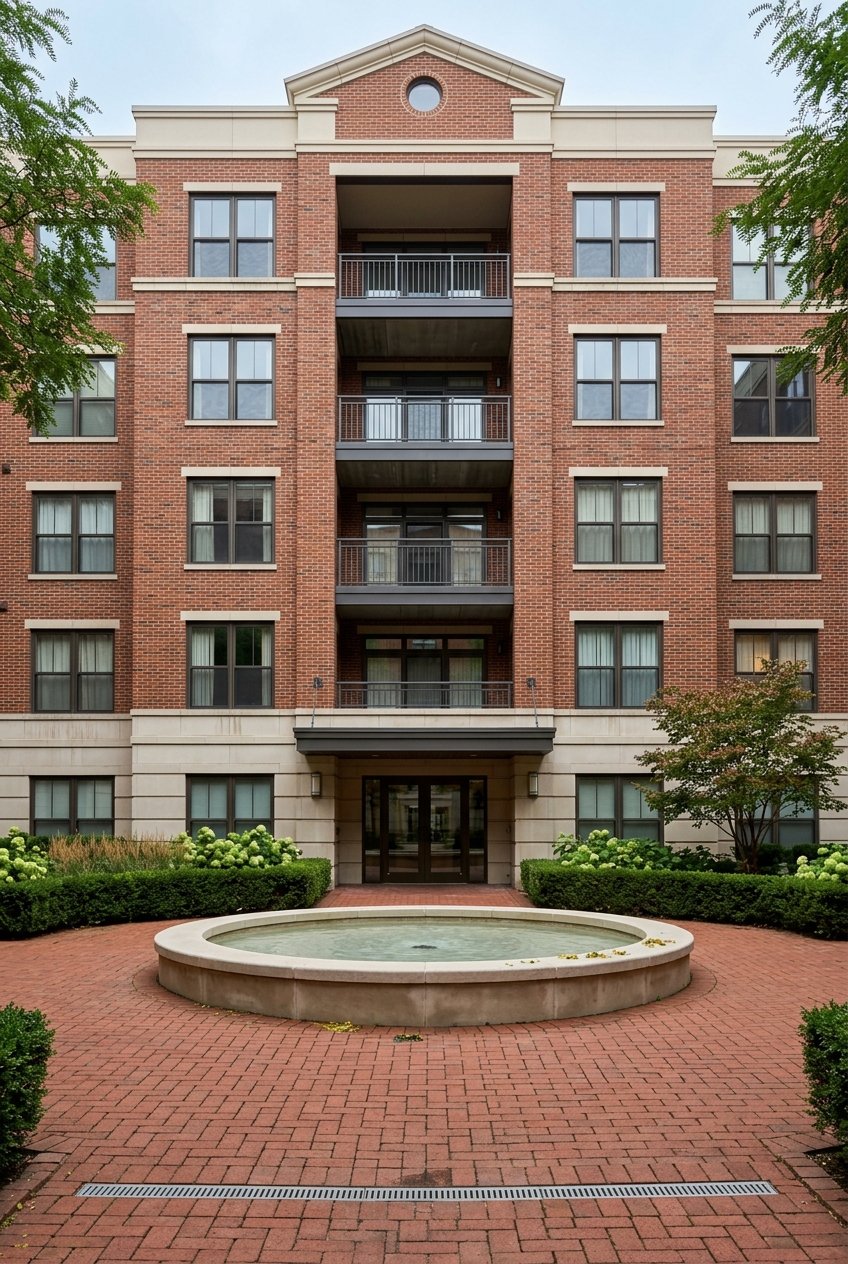
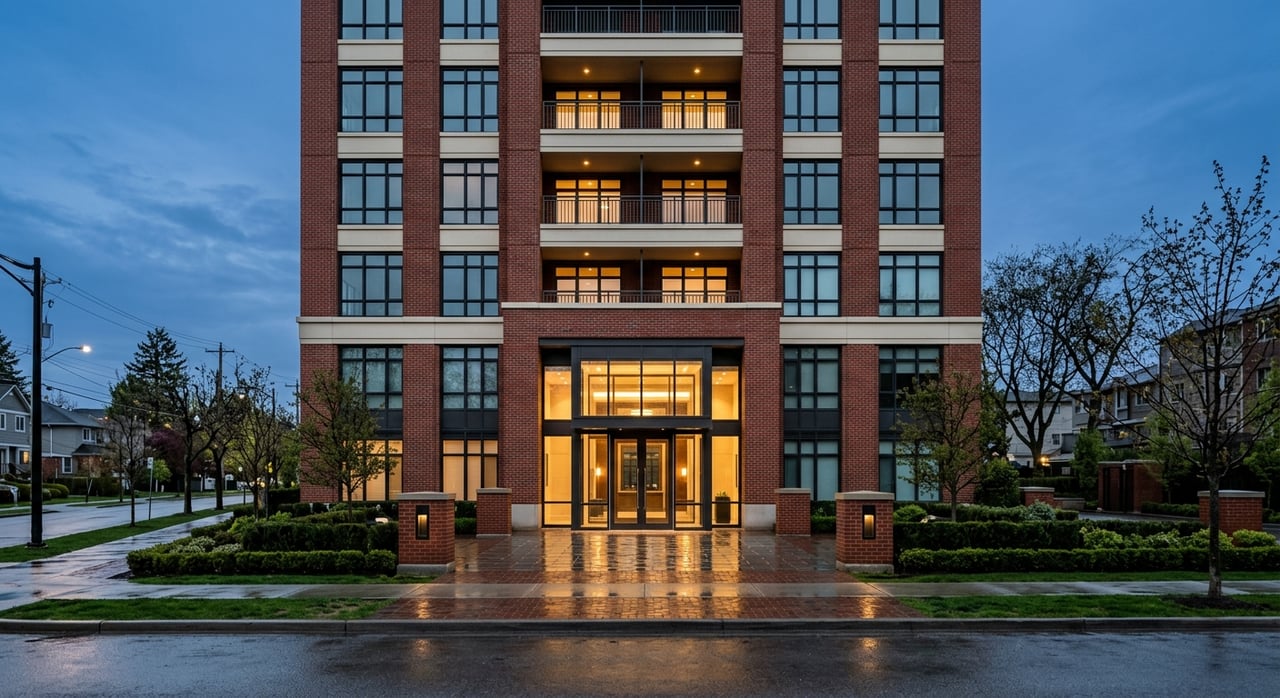
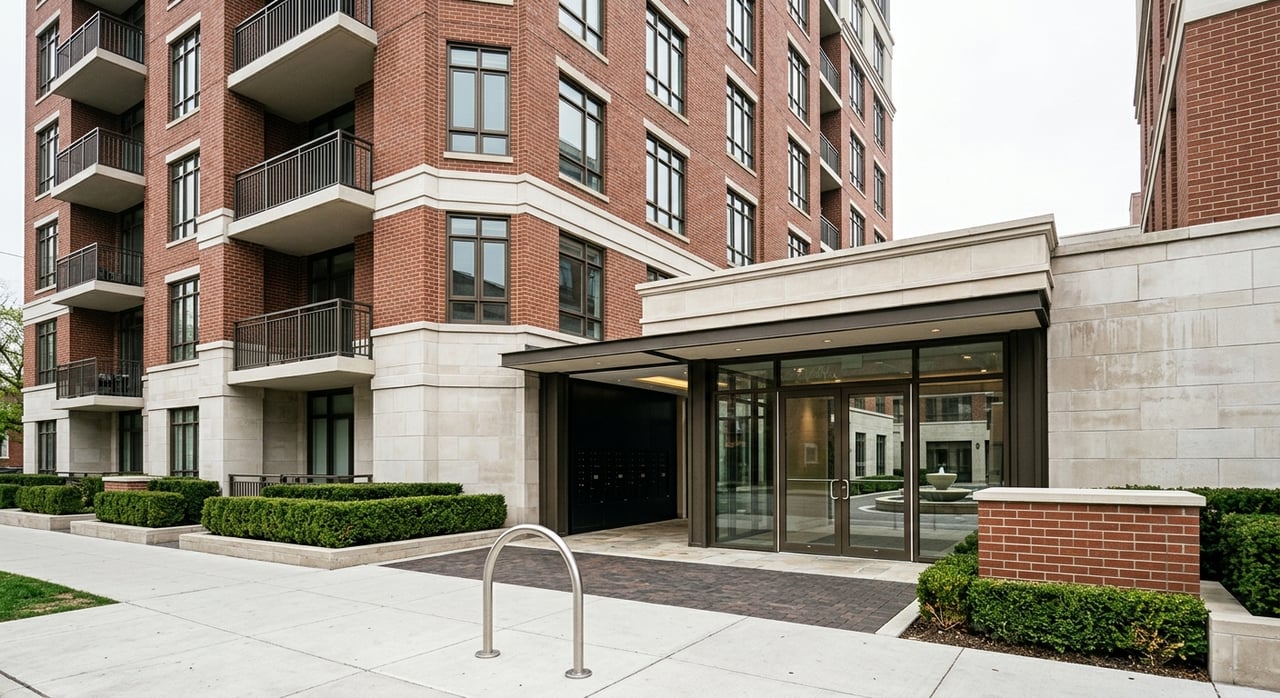
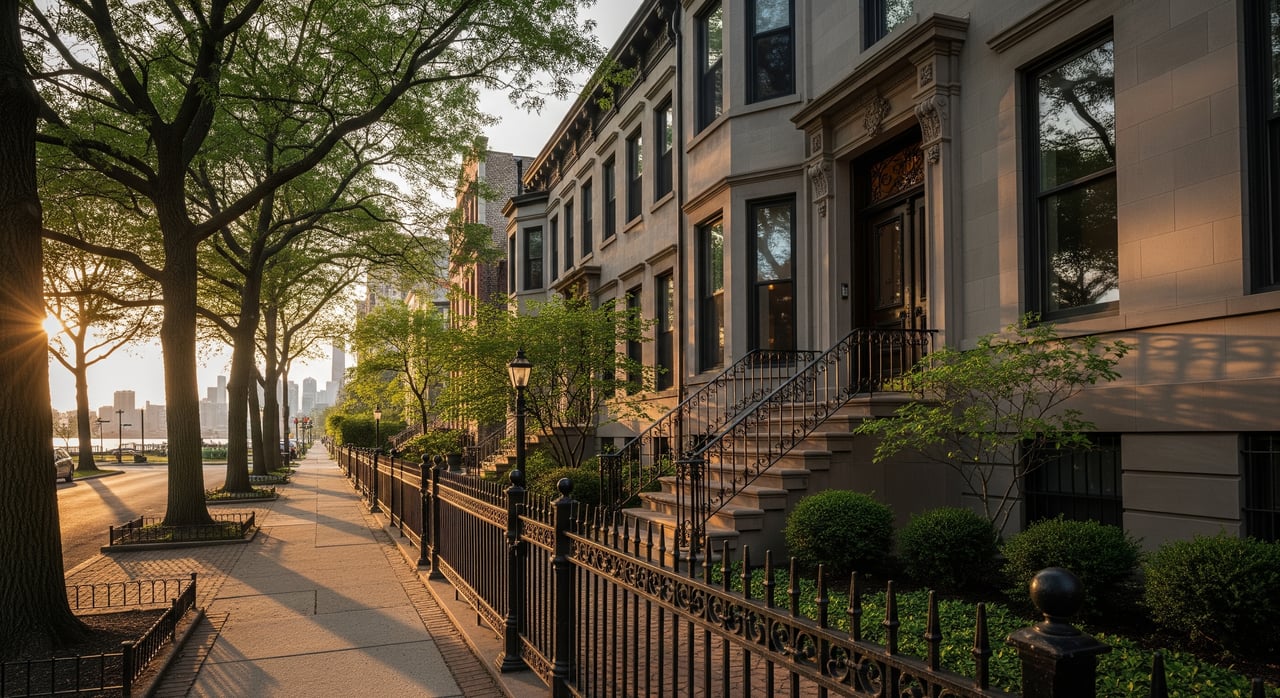
The housing mix is diverse. You see historic greystones and rowhouses, two- and three-flats, vintage walk-ups, townhomes, and mid- to high-rise condos. Homes with private outdoor space, parking or garage access, and rooftop decks often command a premium. Typical buyer segments include professionals and couples, downsizing owners, households seeking park access and schools, and investors near DePaul.
When to list for best results
Seasonality matters. Spring, especially March through June, tends to bring more showings and stronger absorption in Chicago. That said, well-presented homes in Lincoln Park attract qualified buyers year-round. If you plan 6 to 18 months out, you can align prep work with peak months without rushing.
Market conditions have shifted since 2022. Higher mortgage rates slowed absorption in many places, while Lincoln Park remained comparatively resilient. Set expectations with current local comps rather than past peak pricing. A realistic strategy that reflects condition, features, and HOA details is the safest path.
Prep your home the right way
Pre-listing inspection and repairs
A pre-listing inspection can uncover issues before buyers negotiate them. Focus on roof, masonry and tuckpointing, HVAC, electrical and plumbing, windows, porches, chimneys, and any water intrusion in basements. In vintage buildings, verify boiler or steam systems are serviced and safe. Address obvious safety items and active leaks.
If you own a condo or townhome, gather association documents early. Budget, reserves, meeting minutes, and any special assessments are often required by lenders and can slow the process if not ready. Having a clean, complete packet reassures buyers and their lenders.
Stage for city buyers
First impressions start at the sidewalk. Clear walkways, sweep the stoop, and refresh lighting. For townhouses and single-family homes, repaint the front door and update house numbers for a crisp look.
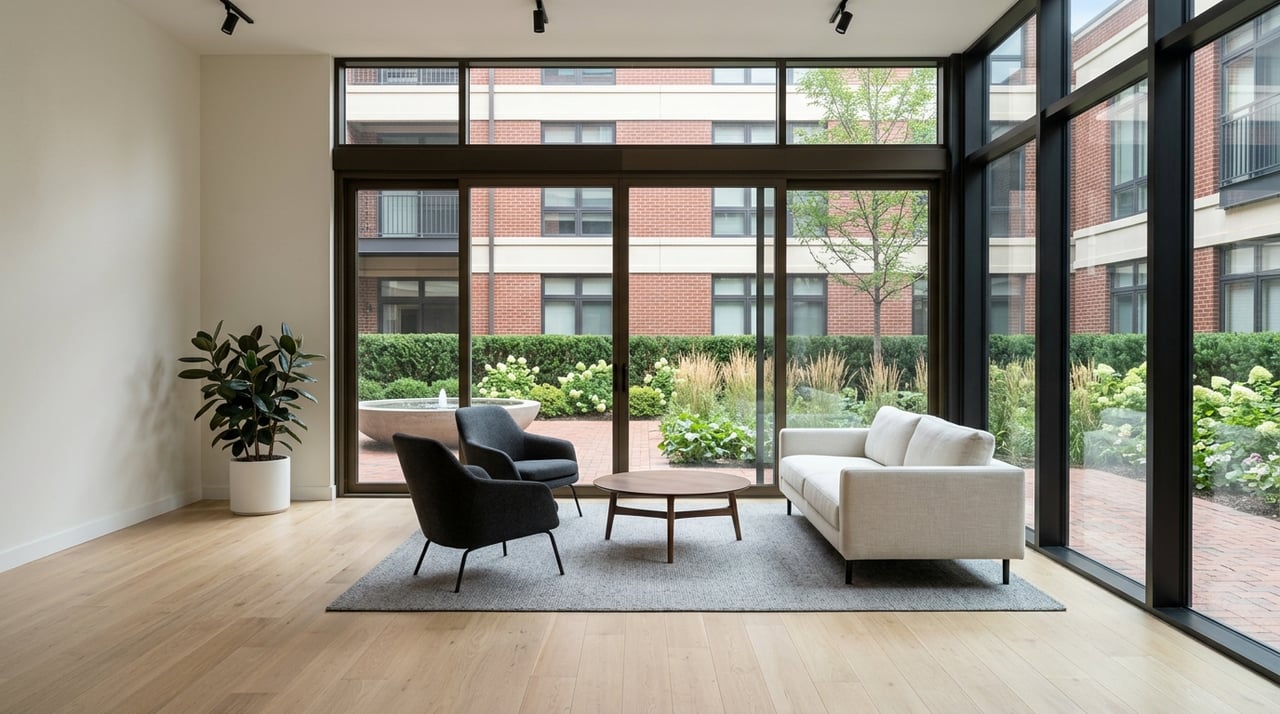
Maximize natural light. Remove heavy curtains, trim shrubs that block windows, and consider fresh neutral paint. In Chicago rowhouses and smaller condos, light and open layouts photograph and show better.
Stage rooms for their intended function and scale down bulky furniture in smaller spaces. Highlight local selling points in photos and marketing, such as balconies, terraces, assigned parking, storage, views, and transit convenience. In winter, keep paths clear and safe. In summer, showcase outdoor seating and shade.
Photos, floor plans, and virtual assets
High-quality photography is essential. Include daylight exterior shots and any views toward parks or the lake. Floor plans and 3D tours help buyers compare layouts and visualize flow, especially for condos and unique floor plans. Be clear about how square footage was measured to avoid confusion later.
Price with local comps
How we select comps
Strong comps come from recent closed sales within the last 3 to 6 months. Match property type, bed and bath count, square footage, condition, floor level for condos, and features like parking and outdoor space. If possible, use sales from the same building. If not, pull nearby blocks and adjust for differences in street, view, or amenities.
We also review active and pending listings to understand current buyer behavior. Closed sales set value. Pendings show where demand is heading right now.
Smart pricing strategy
Competitive pricing that aligns with local comps can drive early traffic and strong offers. Avoid setting price by a simple percent above or below another listing without context. For condos, account for the total monthly cost, including HOA fees and any assessments. Higher fees or frequent assessments can narrow the buyer pool and may require pricing adjustments.
Buyers and their agents will ask how you arrived at list price. Be ready to show adjustments for upgrades, condition, parking, outdoor space, and unique features. Transparency builds confidence and speeds negotiations.
Condo and townhome must-dos
HOA documents and rules
Assemble association documents early. Include bylaws, current budget, reserve study if available, recent meeting minutes, rules on rentals, resale certificates, and any planned or ongoing special assessments. Lenders often require this information, and delays in obtaining packets can add time to closing.
Verify any resale restrictions or right of first refusal in your building. Rules can affect timing and how showings are conducted, so plan ahead.
Lending and underwriting
Condo resales can be impacted by lender underwriting tied to the building’s finances, reserves, and maintenance. Well-prepared buyers may move quickly, while buyers with complex loans need more time. Cash buyers or well-qualified financed buyers often shorten the timeline.
Showings and marketing plan
Make showings easy
Urban buyers value flexibility. Aim for same-day or next-day showing windows when possible. For buildings with security or concierge, include clear access instructions in the listing. Open houses can be effective for street feel, while private showings are common for serious buyers.
Before each showing, turn on lights, open shades, and set a comfortable temperature. If you have assigned parking, keep it open so buyers can see and use it during tours.
Messaging that resonates
Your baseline includes MLS distribution, professional photos, a floor plan, and a 3D tour. Expand reach through targeted social media and agent outreach. Tailor the message to likely buyers. Down-sizers may respond to low-maintenance living and elevator access. Households often look for park and school proximity. Investors focus on rental demand and access to DePaul.
Emphasize walkability, transit times, parks and the lake, and any recent building improvements like roof work or tuckpointing. These details help buyers understand long-term value and upkeep.
Timeline and costs to expect
Planning 6 to 18 months out
- Research recent Lincoln Park comps and typical seasonality.
- Interview a few local agents with proven North Side experience.
- Consider a pre-listing inspection if you suspect deferred maintenance.
- Review association documents and policies.
- Decide whether to renovate, stage, or sell as-is.
- Begin decluttering and securing bids for any major work.
Your 30 to 90 day plan
- Hire your agent and set pricing based on a comparative market analysis.
- Complete agreed repairs, deep clean, and stage key rooms.
- Book professional photography and floor plans or a 3D tour.
- Assemble seller disclosures and the HOA packet.
- Set open house dates and build in time for private showings.
A typical financed closing runs about 30 to 45 days from contract acceptance. Condo sales may need an extra 1 to 2 weeks for association paperwork and lender review. Cash closings can be faster.
Day-of-showing checklist
- Turn on all lights and open curtains or blinds.
- Set a comfortable thermostat.
- Put away personal items and valuables.
- Remove pet evidence and odors.
- Keep assigned parking available for the showing.
- Provide a simple fact sheet on transit, parks, utilities, and nearby services.
Offers, negotiations, and closing in Chicago
Disclosures, title, and transfer
Illinois requires sellers to disclose known material defects. If your home was built before 1978, provide the federal lead-based paint disclosure. Coordinate with a local title company or attorney on title, recording, and transfer steps. Chicago and Cook County each have transfer taxes. Confirm current rates and who typically pays them so you can plan your net proceeds.
Closing timelines and expectations
Financing, appraisal, and condo documentation are the most common causes of delay. Lenders may request additional documentation from your association, so having a complete packet ready helps. If you are prepared on repairs, disclosures, and HOA materials, you can keep the process moving and reduce surprises.
Common mistakes to avoid
- Overpricing based on older peaks rather than recent comps.
- Listing before HOA documents or disclosures are ready.
- Skipping simple cosmetic refreshes that improve first impressions.
- Limiting showing windows, which cuts buyer traffic.
- Underestimating the impact of HOA fees and assessments on buyer demand.
Selling in Lincoln Park can be straightforward when you plan ahead. With thoughtful timing, solid preparation, and a pricing strategy rooted in local comps, you can showcase your home’s best features and move on your preferred timeline. If you want an experienced, neighborhood-focused team to guide each step and handle the details, we are here to help. Connect with the Ballis Group to get started.
FAQs
What is the best time of year to sell in Lincoln Park?
- Spring often brings more buyer activity in Chicago, but well-presented Lincoln Park homes attract buyers year-round. Align timing with your goals and prep schedule.
How much should I renovate before selling a condo or home?
- Minor cosmetic updates and fixing deferred maintenance typically offer better returns than major remodels. Use recent comps to decide what is worth doing.
How do HOA fees and assessments affect my sale price?
- Higher fees or frequent assessments can reduce the buyer pool. Strong reserves and clear budgets improve buyer and lender confidence, which supports pricing.
How long does closing usually take in Chicago?
- Financed purchases often close in 30 to 45 days. Condo resales may need an extra 1 to 2 weeks for association and lender paperwork. Cash buyers can close faster.
What documents do I need to sell a condo in Lincoln Park?
- Prepare seller disclosures, lead-based paint disclosure for pre-1978 homes, and a full HOA packet including bylaws, budget, reserves, minutes, and any assessments.