If you are ready to move up in Logan Square, the biggest question may not be whether to buy, but what to buy. In a neighborhood where condos, duplexes, and single-family homes all compete for attention, the right fit depends on how you want to live and what you want your monthly costs to look like. This guide breaks down the real tradeoffs so you can compare houses and condos in Logan Square with more clarity and confidence. Let’s dive in.
Logan Square has more attached housing
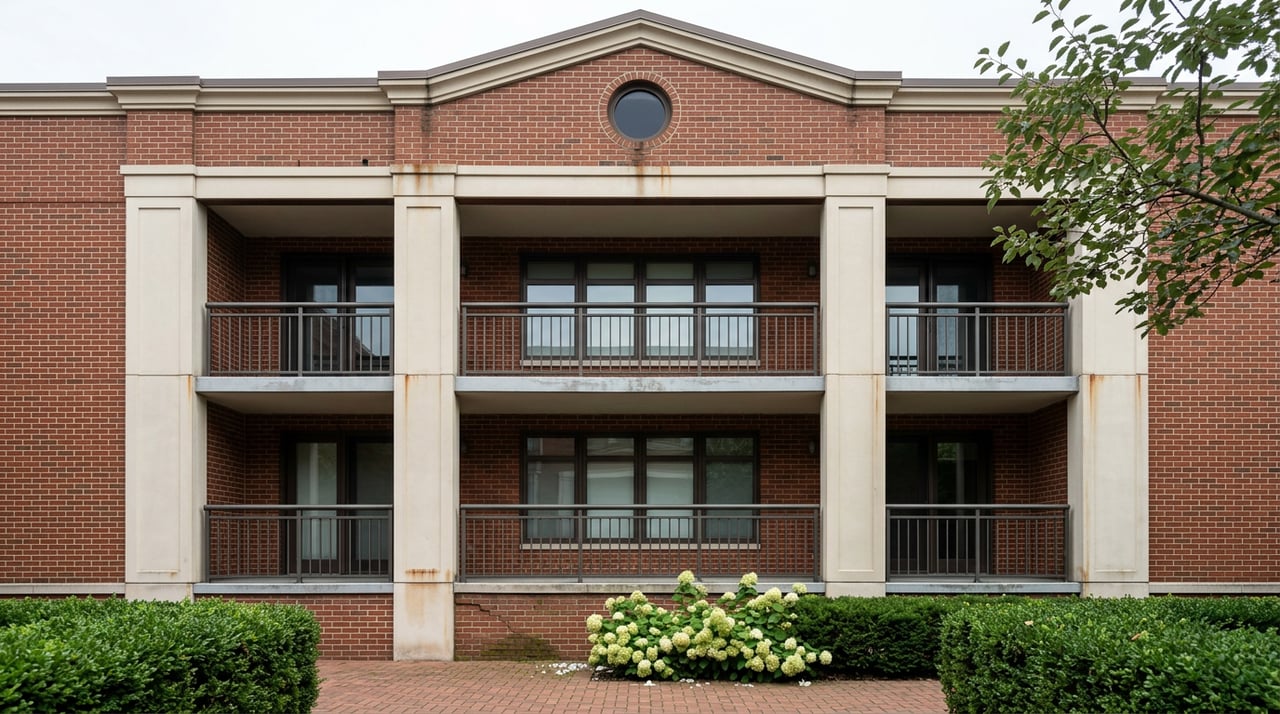
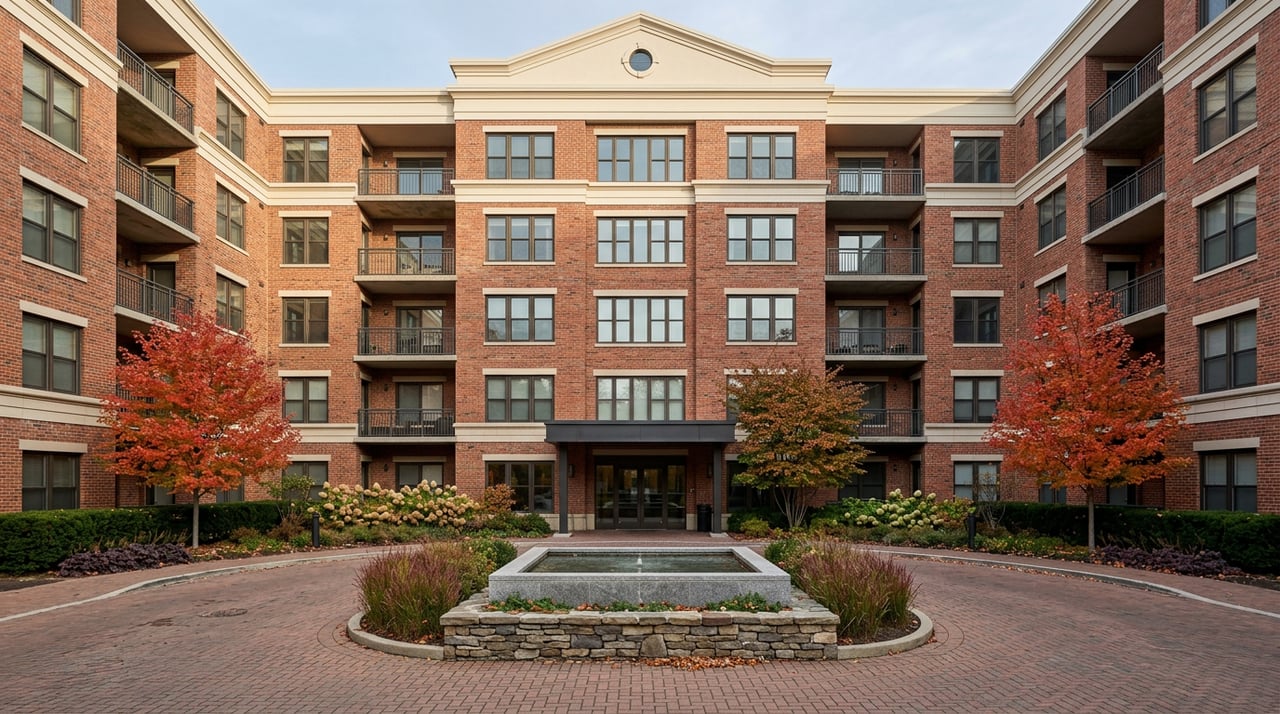
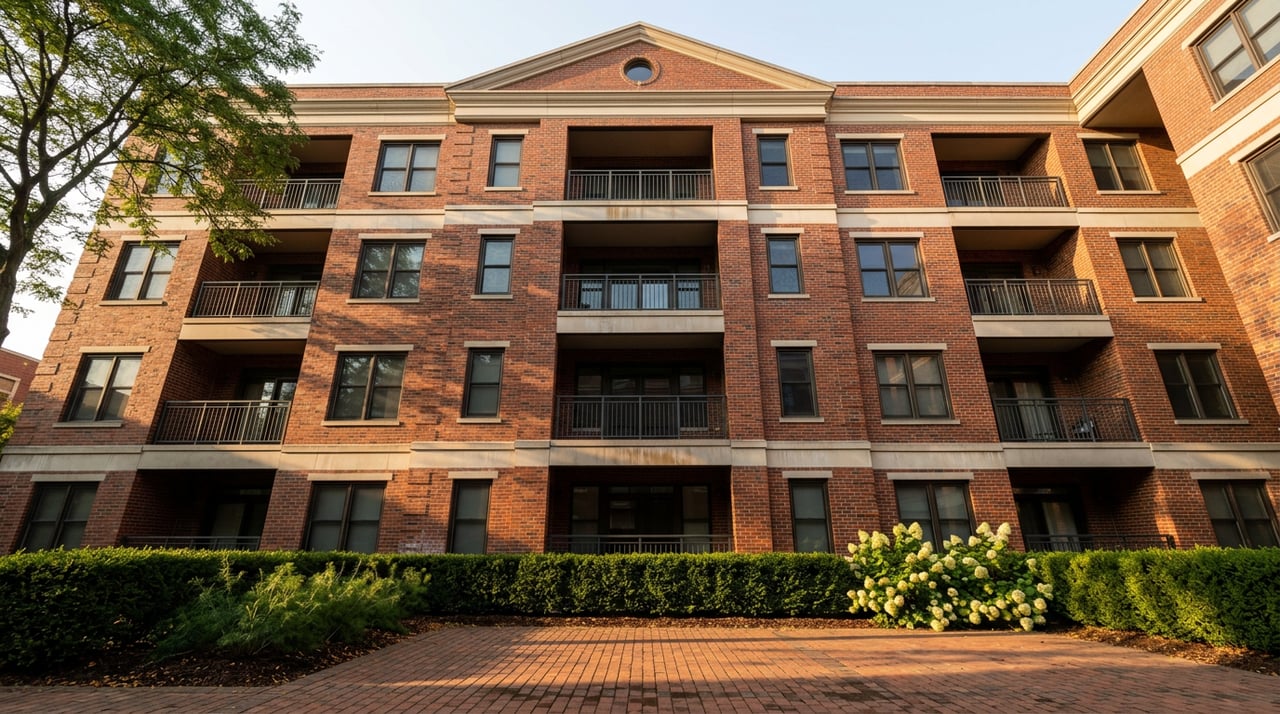
Logan Square is not a neighborhood where detached houses dominate the landscape. According to CMAP housing data, only 17.6% of homes are in one-unit structures, while 43.7% are in 2-to-4 unit buildings and 31.0% are in 5-to-49 unit buildings. In practical terms, that means condos, duplex condos, and converted flats make up a large share of what you will actually see on the market.
Recent listing patterns reflect that mix. One Redfin Logan Square neighborhood snapshot showed 80 condos, 11 townhouses, and 45 multi-family units for sale in a recent month. If you are moving up from a smaller starter home or condo, that matters because your choices may lean more heavily toward attached homes than you first expect.
Prices: houses and condos differ sharply
For many move-up buyers, price is where the decision starts. In Logan Square, detached single-family homes sit at the top of the pricing ladder, while condos and duplex-style attached homes often offer a lower entry point.
Mainstreet Organization of REALTORS® reported a 2025 year-to-date median sale price of $1.14 million for detached single-family homes in Logan Square. Current examples in the market context ranged from about $1.1 million for a four-bedroom, three-and-a-half-bath home to $1.865 million for newer construction.
By comparison, Redfin’s Logan Square condo data showed a median listing price of $575,000. Recent sold examples ranged from $300,000 for a one-bedroom duplex-up to $450,000 for a two-bedroom, two-bath condo and $618,000 for a four-bedroom duplex condo. Mainstreet’s broader attached-home benchmark for Logan Square came in at a $550,000 median sale price.
What that price gap means for you
That spread can change your options in a big way. If your budget lands in the mid-six figures, a condo or duplex-style home may let you buy more square footage or a more updated interior without stretching into seven figures. If your priority is a detached house, you may need to plan for a significantly higher purchase price.
This is one reason move-up buyers in Logan Square often compare a smaller single-family home against a larger attached home. The numbers can put those two very different lifestyles into the same decision set.
Market speed matters in Logan Square
Logan Square remains a competitive place to buy. Redfin rates the neighborhood as very competitive, with homes selling in about 35.5 days and averaging around 3% above list price. In March 2026, the median sale price across all home types was $577,500, which was down 14.6% year over year.
For you, that means two things. First, you should expect well-priced properties to move with some speed. Second, the right strategy may differ depending on whether you are targeting a detached home in a limited supply segment or a condo with more inventory and more direct comparisons.
Houses offer more control
If you want more independence, a detached house usually delivers it. You own the structure and the lot, which often gives you more say over exterior changes, future projects, and how you use your outdoor areas.
That flexibility is one of the biggest reasons buyers move from an attached home into a house. If private outdoor space, garage parking, and more control over the property matter most to you over the next several years, a detached home may be the better long-term fit.
Outdoor space often looks different
In Logan Square, outdoor space exists in both product types, but it is not the same experience. Recent condo sales included features like a back deck, a large common backyard, a private entrance, a side yard, or a shared rooftop deck.
Single-family homes more often paired the house with a private yard and garage, such as recently sold homes with secluded backyards, patio space, and two-car garages. If you want outdoor space that feels fully your own, that distinction is worth paying attention to during showings.
Condos can offer more convenience
A condo or duplex-style home can make sense when you want more space but do not want every maintenance task landing on your shoulders. In a condo setting, you own your unit, but shared portions of the property are maintained through the association structure.
That setup can be appealing if you value convenience. It can also open the door to larger or better-finished interiors at a lower purchase price than a detached house in the same neighborhood.
Shared maintenance changes the equation
The ownership model matters just as much as the square footage. The CFPB notes that homeowners are responsible for maintenance and repairs, including large-ticket items like a roof replacement. With condos, HOA dues are typically separate from the mortgage, and the association often handles shared structures and common elements.
Illinois condo law reinforces that framework. The board is responsible for annual budgets, reasonable reserves for capital expenditures and deferred maintenance, and the maintenance, repair, and replacement of shared parts of the property. For you as a buyer, that means condo due diligence should include a close look at reserve funding, budgets, and assessment history.
Monthly cost is more than the purchase price
A lower condo price does not always mean a lower monthly cost. HOA dues are part of the budget picture, and the CFPB notes that they can range from a few hundred dollars to more than $1,000 a month.
That does not mean condos are the wrong choice. It means you should compare the full carrying cost of each option, not just the list price. A house may come with a higher mortgage payment and more direct maintenance exposure, while a condo may come with lower upfront pricing but regular assessments and shared financial obligations.
A simple side-by-side comparison
| Factor | Detached house | Condo or duplex condo |
|---|---|---|
| Typical Logan Square price point | Around $1.14M median for detached homes | Around $550K to $575K median for attached or condo product |
| Outdoor space | More likely to be private yard or patio | More likely deck, rooftop, side yard, or shared yard |
| Maintenance responsibility | Primarily yours | Split between you and the HOA for shared elements |
| Monthly carrying costs | Mortgage, taxes, insurance, repairs | Mortgage, taxes, insurance, plus HOA dues |
| Control over property | More direct control | Shared governance for common elements |
Think about the next 3 to 7 years
For move-up buyers, this decision usually becomes clearer when you focus on how you will use the home over time. The CFPB notes that buying and selling are expensive, so it often makes sense to plan to stay put for a few years.
That makes your next 3 to 7 years especially important. If you expect your priorities to center on privacy, parking, outdoor use, or flexibility for future changes, a house may justify the higher cost. If your priorities are space, location, and lower day-to-day maintenance demands, a condo or duplex may be the smarter fit.
Questions to ask before choosing
Before you decide between a house and a condo in Logan Square, it helps to get specific about your real lifestyle priorities.
Ask yourself:
- Do you want fully private outdoor space, or is a deck or shared yard enough?
- How much monthly payment flexibility do you have once HOA dues are included?
- Do you want control over exterior projects and maintenance decisions?
- Would you rather handle repairs directly, or have shared building responsibilities through an HOA?
- Are you trying to maximize interior space within a set budget?
- How long do you expect to stay in the home?
The answers often point toward the right property type faster than any general rule can.
The best move-up choice is personal
In Logan Square, there is no one-size-fits-all answer. Detached homes usually offer more control, more private outdoor space, and a different level of independence, but they come at a much higher typical price point. Condos and duplexes can offer more interior value at a lower entry price, but you need to weigh HOA dues, shared maintenance, and association finances.
That is why local guidance matters. In a neighborhood with a wide mix of property types and competitive conditions, comparing the real costs and tradeoffs of each option can help you move up with fewer surprises and more confidence.
If you are weighing a house versus a condo in Logan Square, working with an experienced local team can make the decision much clearer. Ballis Group brings thoughtful neighborhood guidance, responsive communication, and high-touch support to help you compare options and move forward with confidence.
FAQs
Is Logan Square mostly houses or condos for move-up buyers?
- Logan Square has a large share of attached housing, with CMAP data showing 43.7% of units in 2-to-4 unit buildings and 31.0% in 5-to-49 unit buildings, so condos and duplex-style homes are a major part of the market.
What is the typical price difference between a Logan Square house and condo?
- Recent local data shows a large gap, with detached single-family homes at a 2025 median sale price of $1.14 million and condo or attached-home benchmarks around $550,000 to $575,000.
What should Logan Square condo buyers review before making an offer?
- You should review the association budget, reserve funding, and assessment history because Illinois condo law requires boards to budget for maintenance and maintain reasonable reserves for capital expenditures and deferred maintenance.
Do Logan Square condos have outdoor space?
- Some do, but it often appears as decks, rooftop spaces, side yards, or shared yards rather than the private yards more commonly seen with detached homes.
When does a detached house make more sense in Logan Square?
- A detached house may make more sense if you value private outdoor space, garage parking, and more control over the property over the next several years and your budget supports the higher price point.