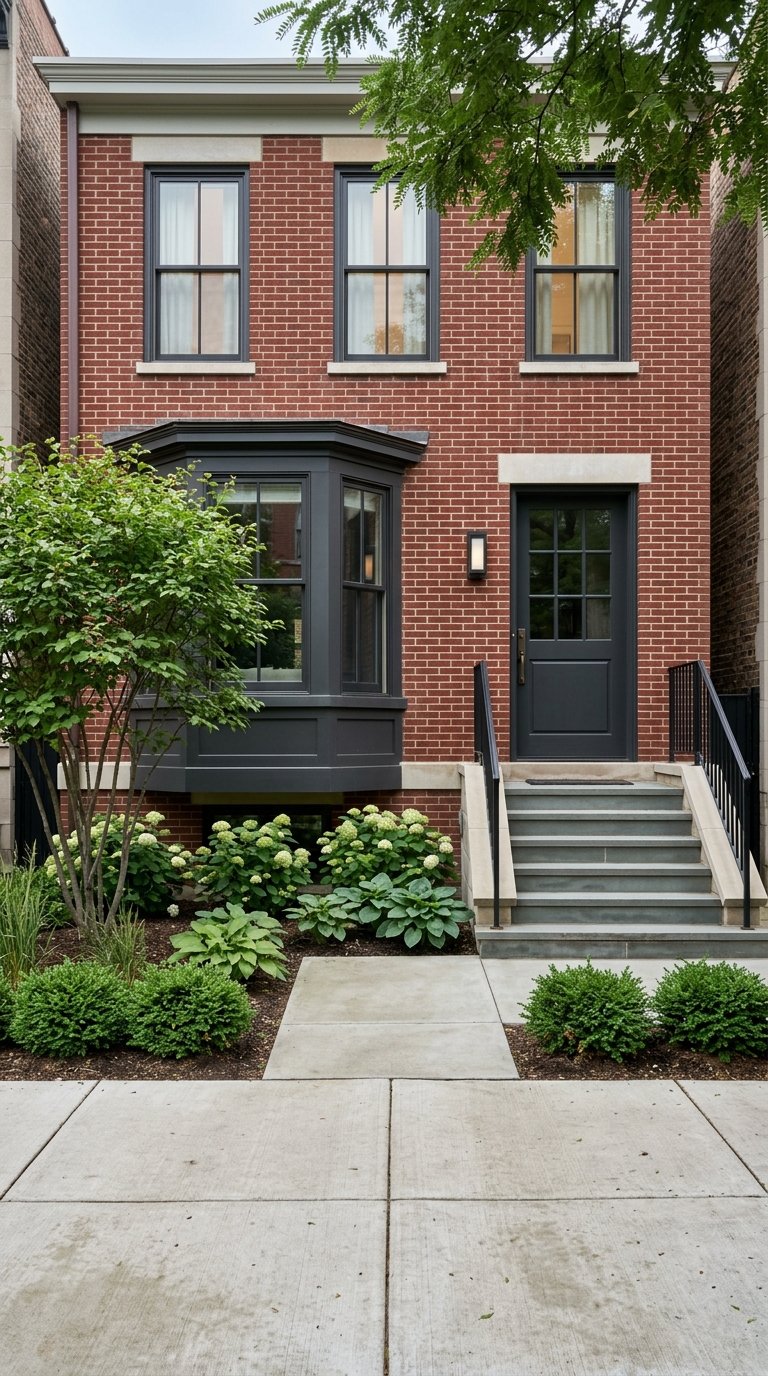
Wondering whether you should renovate, refresh, or leave your vintage Lincoln Square home alone before listing? That question matters more than ever in a neighborhood where buyers often love character but still want a home that feels cared for and easy to move into. If you are preparing to sell, the right updates can help you protect your home’s charm while improving buyer confidence, presentation, and market appeal. Let’s dive in.
Why smart updates matter in Lincoln Square
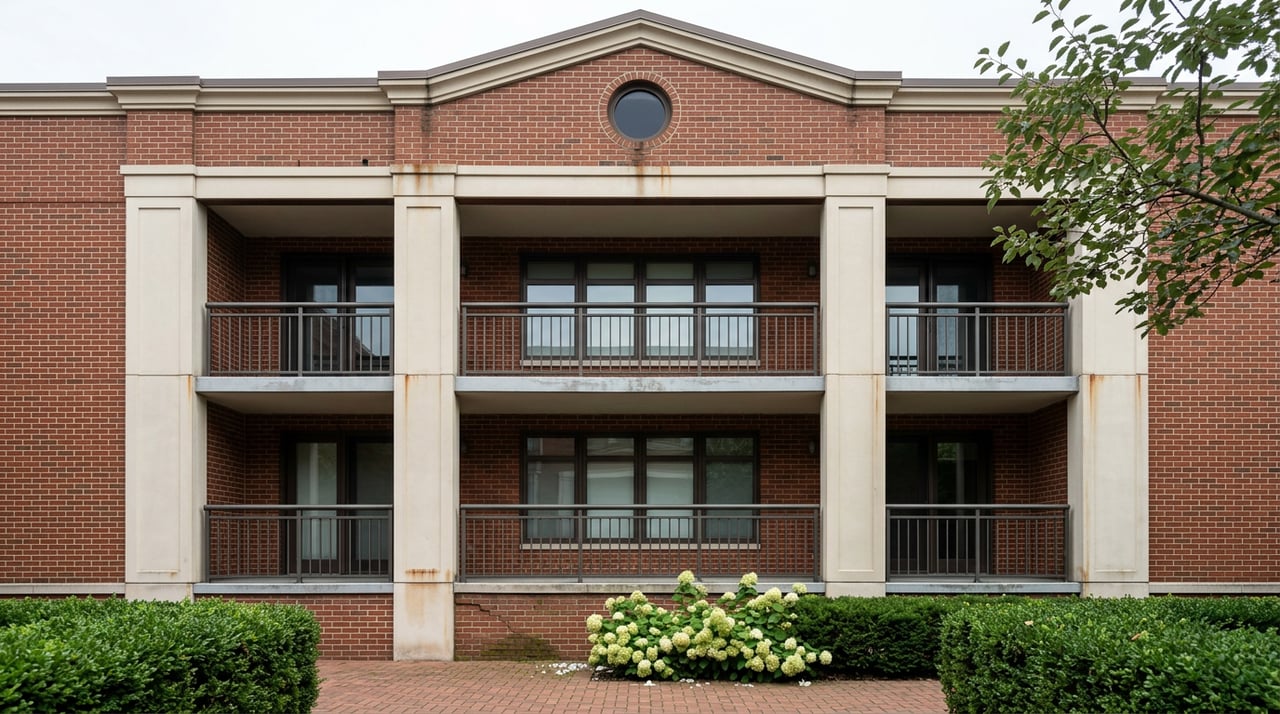
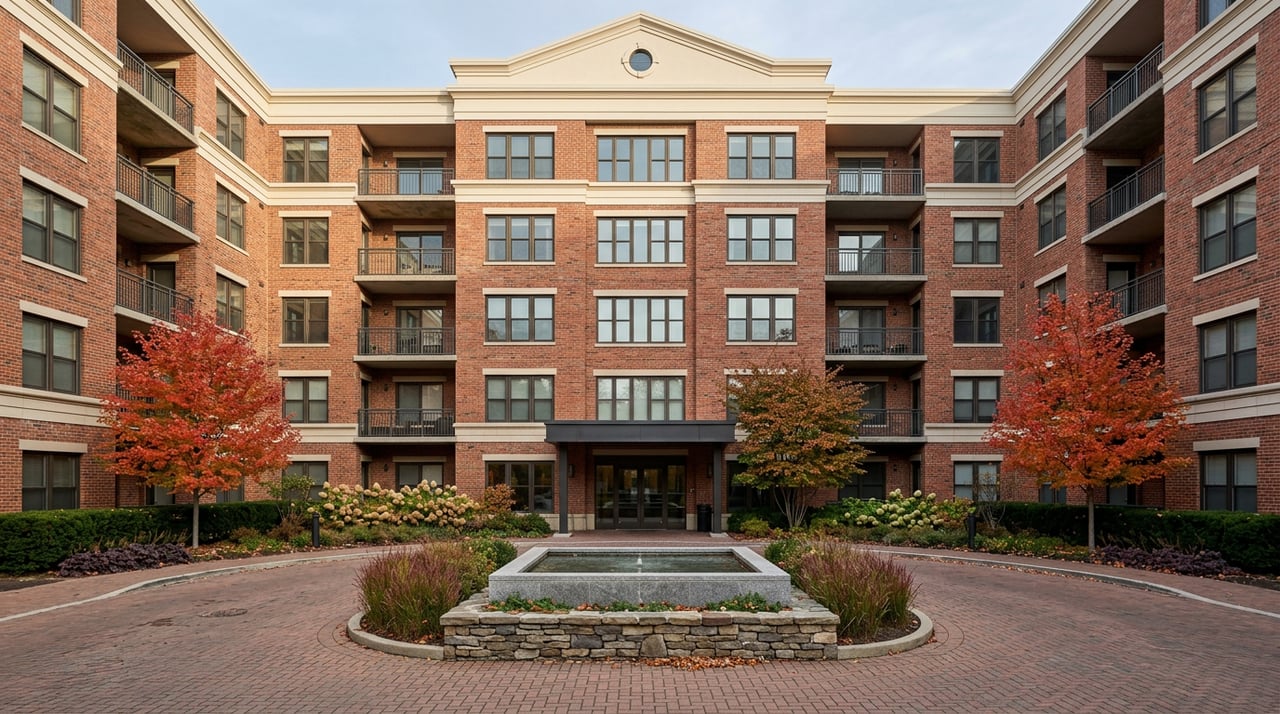
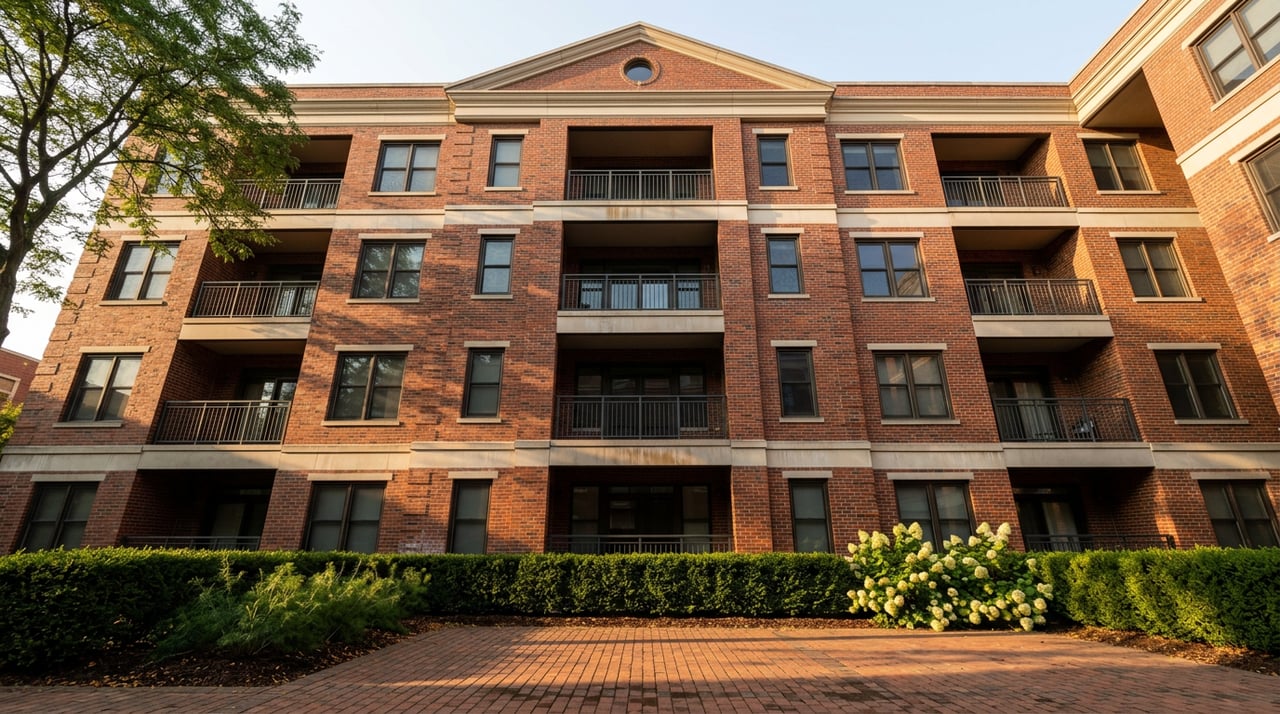
Lincoln Square’s housing stock is part of what makes the neighborhood so appealing. The area developed from older subdivision patterns and still includes the bungalows, two-flats, and small apartment buildings that give it a strong vintage identity. That history helps explain why many homes here feel distinctive rather than interchangeable.
That character can be a real advantage when you sell. Public market trackers placed Lincoln Square home values around the high-$400,000s to just under $500,000 in March 2026, with Zillow reporting a typical home value of $493,000 and Redfin reporting a median sale price of $490,500. Realtor.com also classified Lincoln Square as a seller’s market in March 2026, with homes selling at about 104% of asking price on average and a median 25 days on market.
Even in a seller’s market, condition still shapes how buyers respond. Strong demand can help, but it does not erase the importance of first impressions, maintenance, and thoughtful presentation. For a vintage home, the goal is usually not to make it look brand new. The goal is to make it feel dependable, polished, and true to its architecture.
What Lincoln Square buyers want
Buyer behavior points to an important balance for older homes. In NAR’s 2024 home-buyer trends report, buyers of previously owned homes said they chose them for better overall value, better price, and charm and character. That is good news if your home has original details worth highlighting.
At the same time, many buyers are cautious about repairs and aging systems. The same report found that 45% of recent new-home buyers chose new construction to avoid renovations or problems with plumbing or electricity. In other words, buyers may love vintage style, but they still want reassurance.
That is why the best pre-listing strategy is often character plus confidence. You want buyers to notice the woodwork, floors, built-ins, or masonry details. You also want them to feel that the roof, plumbing, electrical, and HVAC have not been ignored.
Start with repairs that reduce buyer concern
If you are deciding where to spend first, begin with deferred maintenance. Visible roof issues, plumbing leaks, aging electrical service, weak HVAC performance, and moisture damage can quickly shift a buyer’s attention away from your home’s beauty and toward possible future costs.
This matters because buyers often judge risk before they judge style. A beautiful dining room or original built-in may still impress them, but signs of neglected systems can undermine confidence in the entire property. For older homes especially, technical condition supports emotional appeal.
NAR’s buyer data and remodeling findings point in the same direction. Buyers of older homes still want charm, but they do not want avoidable surprises. If your budget is limited, fixing risk usually matters more than chasing trend-driven upgrades.
High-priority fixes before listing
- Roof problems or visible leaks
- Plumbing leaks or water stains
- Electrical concerns or outdated service issues
- HVAC systems that perform poorly
- Moisture damage in basements, walls, or ceilings
- Broken windows, damaged doors, or obvious safety issues
These updates may not be glamorous, but they often do the most to strengthen buyer trust.
Use cosmetic updates for maximum impact
Once major concerns are addressed, small visual improvements often deliver the best return in how the home shows. Fresh neutral paint, repaired plaster or drywall, cleaned or refinished floors, updated light fixtures, and new hardware can make a vintage home feel brighter and better maintained without stripping away its personality.
This kind of work is especially helpful because buyers notice it right away. NAR’s 2025 remodeling report found that REALTORS® most often recommend painting the entire home before listing, followed by painting a single interior room and installing new roofing. That ranking reflects a simple truth: buyers respond quickly to what they see first.
You do not need every room to feel newly renovated. You do want the home to look clean, cohesive, and easy to imagine living in. In a vintage Lincoln Square property, that often means removing distraction rather than adding excess.
Low-cost updates that often help most
- Paint walls in neutral tones
- Patch cracks in plaster or drywall
- Refinish or deep-clean hardwood floors
- Replace dated light fixtures with simple, clean options
- Update cabinet hardware and door hardware
- Improve bulb brightness and color consistency
- Clean windows and make trim look crisp
Refresh kitchens and baths selectively
Kitchens and bathrooms matter, but that does not always mean a full remodel is the smart move before selling. In NAR’s 2025 remodeling report, REALTORS® reported increased demand for kitchen upgrades and bathroom renovations. NAHB’s 2024 preference research also showed strong buyer interest in features like quartz or engineered-stone countertops, central kitchen islands, walk-in pantries, programmable thermostats, multizone HVAC, and energy-management systems.
The key is selective modernization. Buyers often want these spaces to feel functional, fresh, and current, but they do not necessarily need a total redesign if the layout already works. Surface-level improvements can often create the right impression without the cost, timeline, and risk of a gut renovation.
For many Lincoln Square sellers, the strongest approach is a tasteful refresh that respects the home’s era. You can modernize finishes and improve usability while still preserving details that make the property feel authentic.
Smart kitchen and bath updates
- Paint or reface cabinets
- Replace worn countertops with quartz or engineered stone
- Update faucets and plumbing fixtures
- Improve task and overhead lighting
- Refresh grout, caulk, or tile where needed
- Replace dated mirrors or vanity lighting
- Add cleaner, quieter ventilation
- Upgrade to energy-efficient appliances if existing ones feel tired
Preserve the features buyers hope to find
One mistake sellers sometimes make is over-correcting. In a neighborhood known for vintage housing, removing too much original character can weaken the very thing that helps your home stand out.
Lincoln Square’s appeal is closely tied to its age, architectural variety, and established streetscape. Original wood trim, hardwood floors, built-ins, masonry details, and other period elements are often worth preserving when they are in good condition. NAR’s buyer data supports that approach, showing that charm and character remain part of why many buyers choose previously owned homes.
That does not mean every old feature should stay exactly as-is. It means you should think carefully before replacing details that give the home identity. In many cases, repair, refinish, and highlight is a stronger strategy than remove and replace.
Do not overlook the exterior
Your front entry sets the tone before a buyer ever steps inside. In a city neighborhood, curb appeal may look different than it does in a suburban setting, but it still matters. For attached homes and vintage single-family properties, the front door, stoop, windows, landscaping, and visible exterior condition create an immediate impression of care.
NAR’s 2025 remodeling report found that a new steel front door had 100% cost recovery and a new fiberglass front door had 80% cost recovery. The same report also highlighted roofing and painting as important seller projects. These are practical reminders that exterior improvements can influence both perceived value and showing momentum.
If your home’s exterior looks tired, buyers may assume interior systems need work too. A cleaner, sharper exterior helps frame the rest of the visit in a positive way.
Exterior updates worth considering
- Paint or refresh the front door
- Replace a worn front door if needed
- Repair damaged steps, railings, or trim
- Clean masonry and visible exterior surfaces
- Tidy landscaping and container plantings
- Make sure house numbers, lighting, and entry details feel intentional
Staging helps vintage homes read clearly
Staging can be especially useful in a home with older architecture because it helps buyers focus on space, flow, and original details rather than on personal items or awkward furniture layouts. NAR’s staging research found that 83% of buyers’ agents said staging makes it easier for buyers to visualize a property as a future home.
That same report found that 29% of agents saw staged homes receive a 1% to 10% increase in offer price, while 49% of sellers’ agents saw shorter time on market. The most commonly staged spaces were the living room, primary bedroom, dining room, and kitchen.
For a vintage Lincoln Square home, staging usually works best when it clears visual noise and lets the architecture speak. Rooms should feel bright, open, and proportional. Buyers should be able to understand how furniture fits and how daily life could work in the home.
Check landmark status before exterior work
Before making exterior changes, it is wise to confirm whether your property is individually landmarked or located within a landmark district. According to the City of Chicago’s landmark FAQ, permit applications are evaluated for effects on significant historical and architectural features. In most landmark districts, that review focuses on exterior elevations visible from the public right-of-way.
This matters both before listing and during negotiations. If past exterior work needed review or permits, or if future changes may trigger review, having that information ready can help avoid surprises. It is one more way to present your home as well managed and well documented.
A smart update strategy for sellers
If you want a practical plan, keep it simple. Spend first on safety, systems, and visible maintenance. Then improve presentation with paint, lighting, flooring, and staging. After that, make targeted updates in kitchens, baths, and the entry where buyers tend to focus most.
Here is the bigger picture: buyers in Lincoln Square are not just buying square footage. They are often buying the feeling of a well-kept vintage home in a neighborhood known for character. The strongest results usually come from updates that reduce concern, improve function, and preserve what makes the home memorable.
When you are preparing to sell a vintage home, strategy matters as much as spending. We help sellers focus on the improvements that support value, presentation, and a smoother launch to market. If you are thinking about selling in Lincoln Square, Ballis Group can help you decide what to update, what to preserve, and how to position your home with confidence.
FAQs
What updates matter most when selling a vintage home in Lincoln Square?
- The most important updates are usually repairs that reduce buyer concern, such as roof issues, leaks, electrical problems, HVAC performance, and signs of moisture damage, followed by paint, flooring, lighting, and other visible cosmetic improvements.
Should you remodel the kitchen before selling a Lincoln Square vintage home?
- Not always. A selective refresh like updated counters, cabinet paint, better lighting, and new fixtures is often a smarter pre-listing move than a full gut remodel.
What original features should you keep in a Lincoln Square vintage home?
- When they are in good condition, features like original wood trim, hardwood floors, built-ins, and masonry details are often worth preserving because buyers of older homes often value charm and character.
Does staging help when selling an older home in Lincoln Square?
- Yes. NAR staging research found that staging helps buyers visualize the home, and many agents reported that staged homes sold faster and sometimes for a higher offer price.
Do Lincoln Square sellers need to check Chicago landmark rules before updates?
- Yes, especially for exterior work. If the home is individually landmarked or located in a landmark district, exterior changes visible from the public right-of-way may require review as part of the permit process.