Walk Wells Street from the river north to Schiller some morning this month and you will pass, in order: a grab-and-go bowl counter that recently opened its doors, a stretch of pavement about to close for a beer festival, and a sushi counter that marked its first birthday in August with a new menu. None of these three things are related to each other on paper. All three sit under a mile apart on the same street; the sushi menu arrived in August, ahead of September's festival.
That is not a coincidence of scheduling. It is what Old Town's calendar looks like when a neighborhood this compact tries to hold onto its oldest tradition and court its newest one over late summer on the same road, because Wells Street has always been where Old Town does both.
A Late-Summer Stretch Of Wells
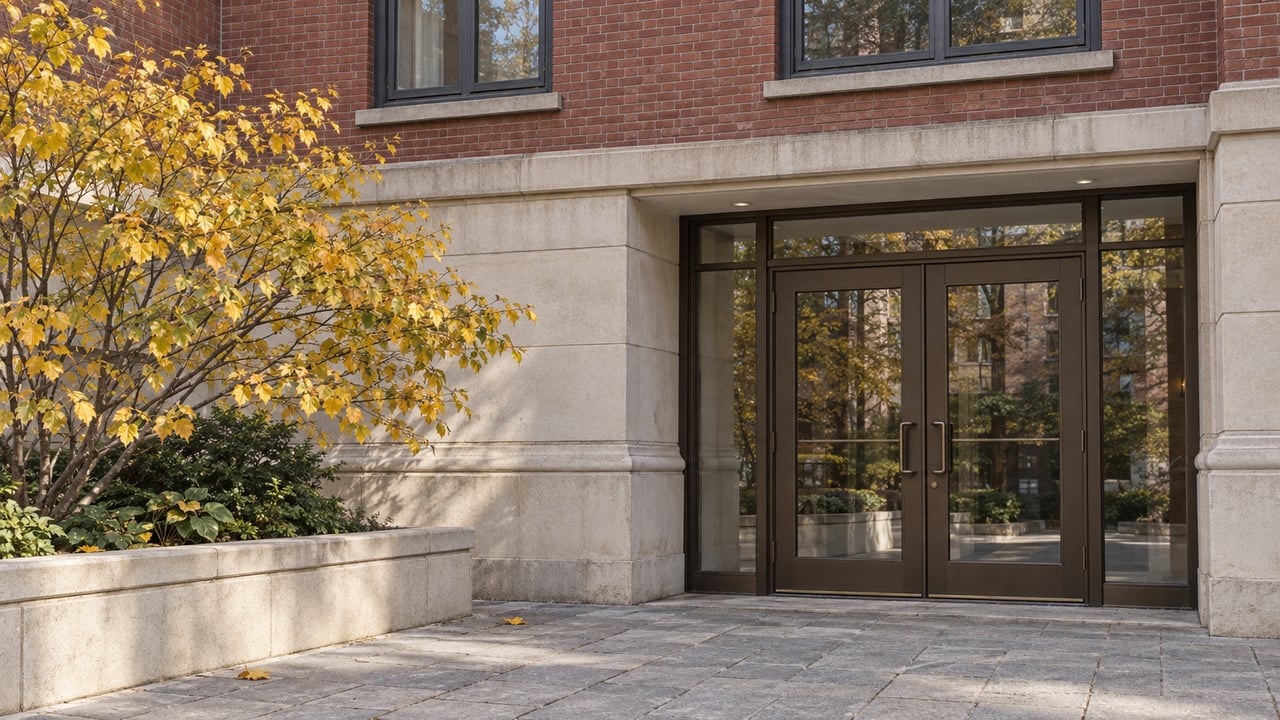
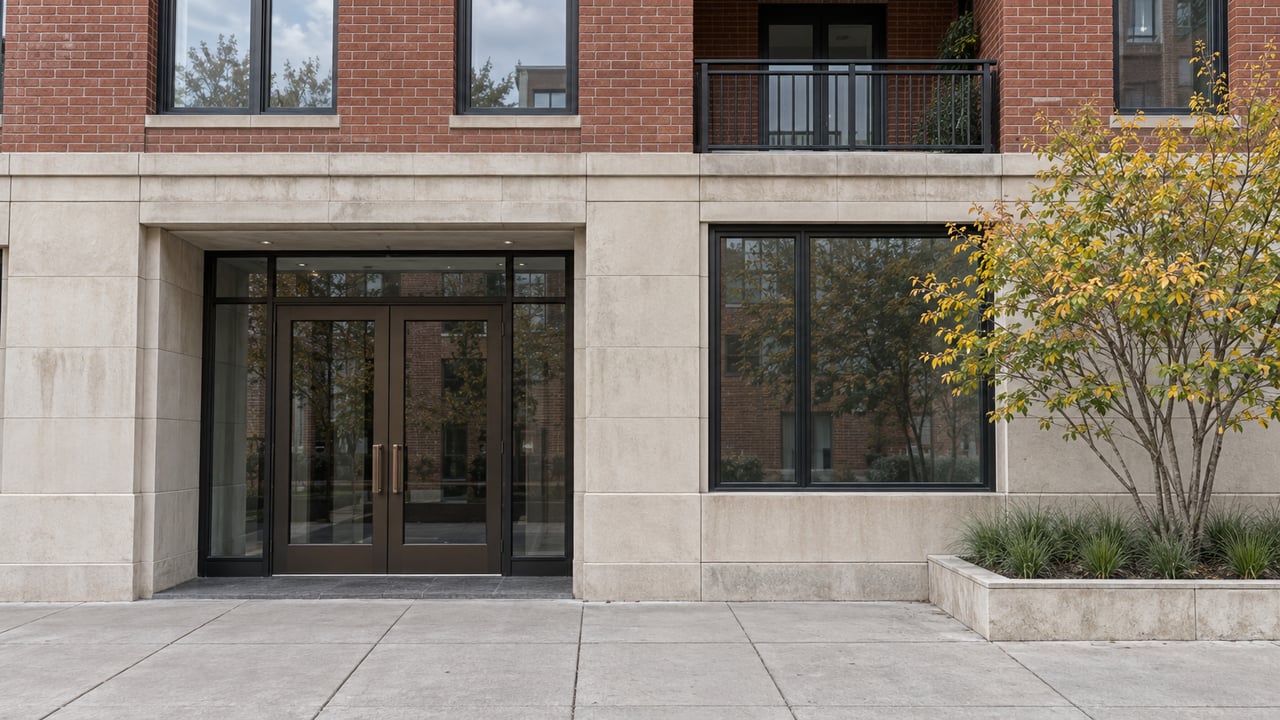
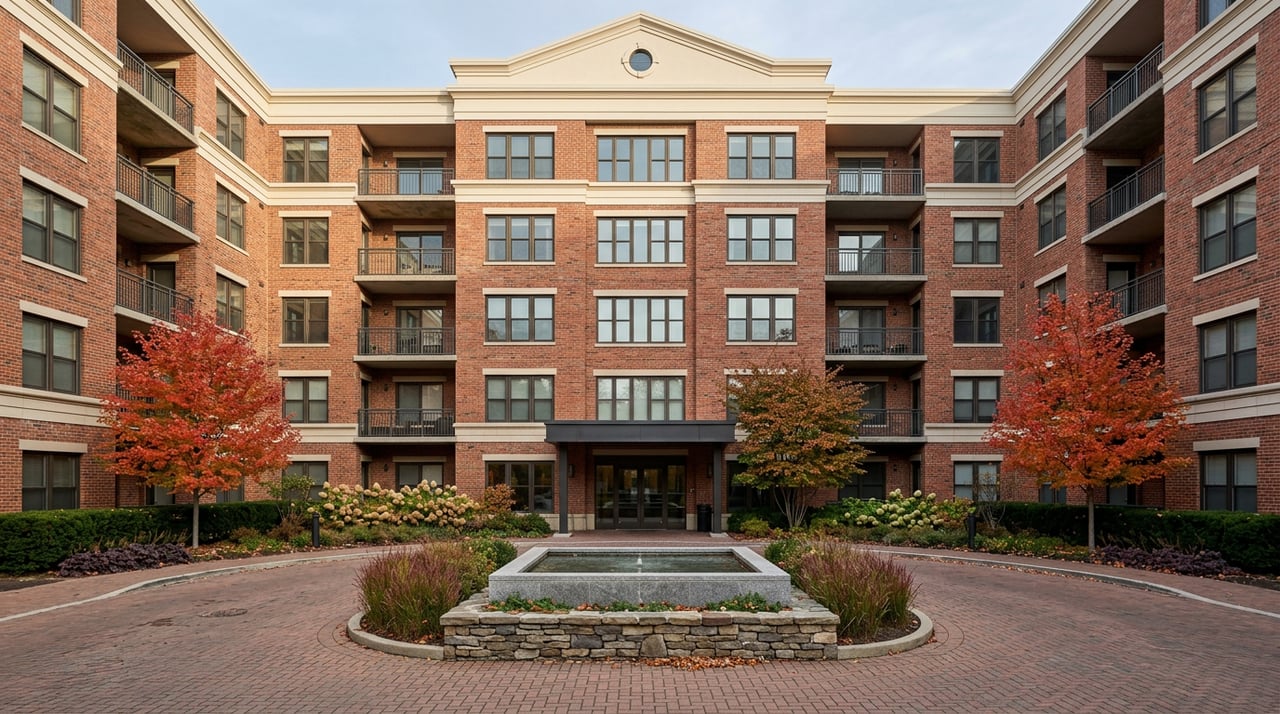
Start at the south end, near 868 North Wells, where FARE has taken over a storefront at the base of a new apartment building. The Chicago-born bowl concept, run by Kasia Bednarz and Britni de Leon, is open daily from 7 a.m. to 9 p.m., serving the kind of breakfast wrap and build-your-own bowl menu that a corridor between River North and the Gold Coast keeps demanding. It is the least dramatic opening on this list and the most useful one if you live within walking distance and need coffee before the L.
Head north a few blocks and you hit the stretch where the Old Town Merchants and Residents Association closes Wells Street entirely for Old Town Oktoberfest, returning for its second year September 18 through 20. Last year's inaugural run set up on the 1300 block, between Schiller and Evergreen, across from Cobbler Square Lofts, the converted Dr. Scholl's factory that has been watching over that block for decades. This year the festival is bigger, and the suggested gate donation, which funds security, staff, and cleanup, doubled from $5 in its debut year to $10 this time around.
Keep walking and you reach 1533 North Wells, where SHŌ Omakase, which opened on this stretch of the street in August 2025, marked its first anniversary in August with a new seasonal menu.
A New Doggie Parade And A Donation That Doubled
The Oktoberfest additions worth knowing about if you already have a Wells Street habit: the Masskrugstemmen stein-holding contest returns with multiple rounds you sign up for in person at the OTMRA booth, and this year adds a first-ever Doggie Parade, checking in at the stage on Schiller and Wells. Entries are split by weight class, Wee Wieners for dogs under 30 pounds, Pretzel Pups from 31 to 70, Big Bratwursts for anything larger, with a Best in Show prize on top. Wintrust Old Town and the pet-sitting outfit PupStars are among the sponsors covering the swag bags.
None of that changes what the festival is at its core, a three-day closure of Wells Street built around bratwurst, pretzels, and a neighborhood that has been German before it was anything else. The new dog parade suggests a festival still figuring out its own scale, adding pieces as it learns what the block can hold.
A Sushi Chef With Two First-Restaurant Stories
SHŌ picked up a 2026 James Beard semifinalist nomination for Best Chef: Great Lakes within its first year on Wells Street, an unusually fast turn for a restaurant that had barely finished its first tasting menu cycle. Chefs Mari Katsumura and Adam Sindler built the ten-course, $155 omakase around a rotating seasonal structure, and on August 12 they introduced Summer Menu Vol. 4 alongside something new entirely, a plant-based Shōjin tasting menu drawing on the centuries-old cooking style of Japanese Buddhist temples. It is the kind of pivot a restaurant makes when it has enough momentum to ask its regulars to try something without fish in it and trust they will show up anyway.
The neighborhood connection runs deeper than the address. Katsumura's family ran the influential Yoshi's Café, and Sindler's family is credited with opening what is often called Chicago's first sushi bar. Old Town's own history books make a nearly identical claim for Kamehachi, the long-running restaurant locals still point to as the city's first sushi spot. Whether those are the same lineage or two parallel firsts is a question for a longer article than this one, but either way, Old Town has now laid claim to that distinction twice, once through a restaurant that has been open for decades and again through the family history behind the one that opened last year three blocks away.
The Street That Keeps Its Receipts
Wells Street earns the right to carry this much traffic because it has been doing it since before Chicago rebuilt itself. Old Town's neighborhood guides still point to the House of Glunz, founded in 1888 by Louis Glunz Sr. after he emigrated from Westphalia, as the oldest family-owned wine shop in the United States, and to Marge's Still as the oldest bar in the city. German farmers settled this stretch in the 1830s and gave it a nickname that has outlasted the farms, the Cabbage Patch, decades before Oktoberfest made that heritage official with a street closure and a beer list.
That is the context that makes this late-summer mix feel less like a scheduling accident and more like Wells Street doing what it has always done, holding a wine shop from 1888 and a sushi counter from 2025 on the same block without either one seeming out of place.
One Venue Name That Will Send You To The Wrong Neighborhood
If you saw Madeleine Peyroux or Beth Orton on the Old Town School of Folk Music's September calendar and assumed the show was on Wells Street, it is worth a correction before you plan the walk. The school opened on West North Avenue in Old Town in December 1957, moved to Lincoln Park's Armitage Avenue in 1968, and expanded into its current main building on North Lincoln Avenue, in Lincoln Square, in 1998. It kept the name through both moves. It is one of the more common mix-ups for anyone new to the area, and the kind of detail that only surfaces once you have actually tried to walk to a show and found yourself several miles short.
What This Late-Summer Stretch Shows
None of this changes property values or turns Old Town into a different kind of neighborhood overnight. What it does show is a street still capable of doing several jobs, from closing itself off for a beer festival to hosting a restaurant quietly assembling a James Beard case three blocks away, and a new coffee counter serving the residents who have to be at work before either of those things opens for the day. That is the version of Old Town that does not show up in a listing description, the one you only notice if you already live close enough to walk it.
If you are watching Old Town from the outside and wondering whether a neighborhood this layered still has room for you, that is a longer conversation, and one Ballis Group is glad to have whenever you are ready for it.